
The list runs from a puffer jacket and a long coat to a shearling winter coat, with a quilted jacket over layered knits in the mix, and shearling is the heaviest of them and can feel too warm once you step indoors.
How much time you spend outside decides which one is yours: a long walk in snow calls for the shearling coat or the puffer jacket, while a short, heated commute suits the quilted jacket and layered knit.
Whatever you pick, boots matter as much as the coat, and lined rain boots only work at roughly 40°F and up.
1. Puffer Jacket
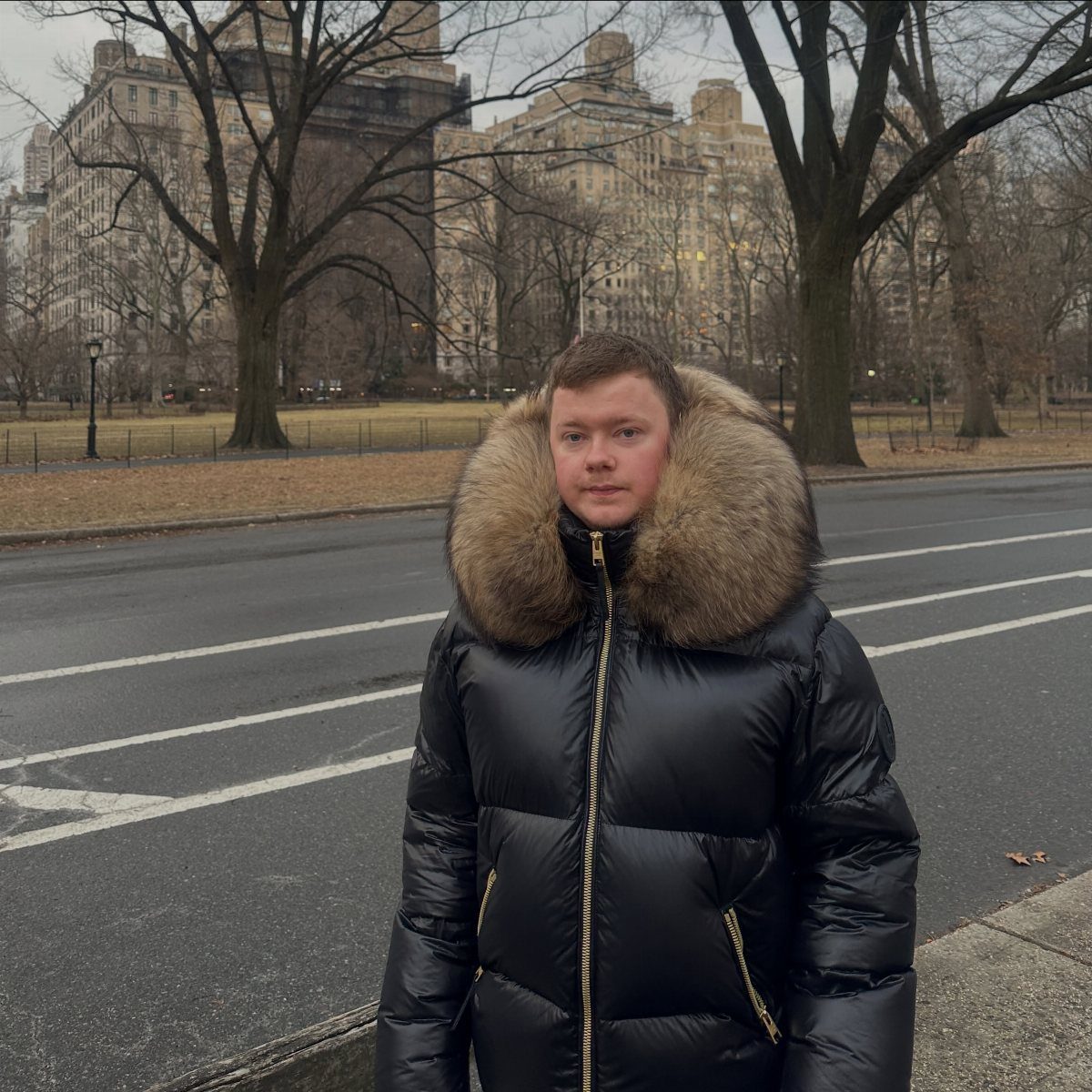
A glossy black puffer with a fur-trimmed hood is the easiest winter coat to live in. The baffles trap warmth without weight, and your arms move freely, which matters on a crowded subway platform.
Keep everything under it slim: a thin knit, dark jeans, boots. The jacket already adds volume, so a bulky sweater makes the whole outfit look padded.
A fur hood is the one thing I would check first. A hood that frames the face is warm, but a trim that big looks best on a slim, simple outfit.
2. Long Coat
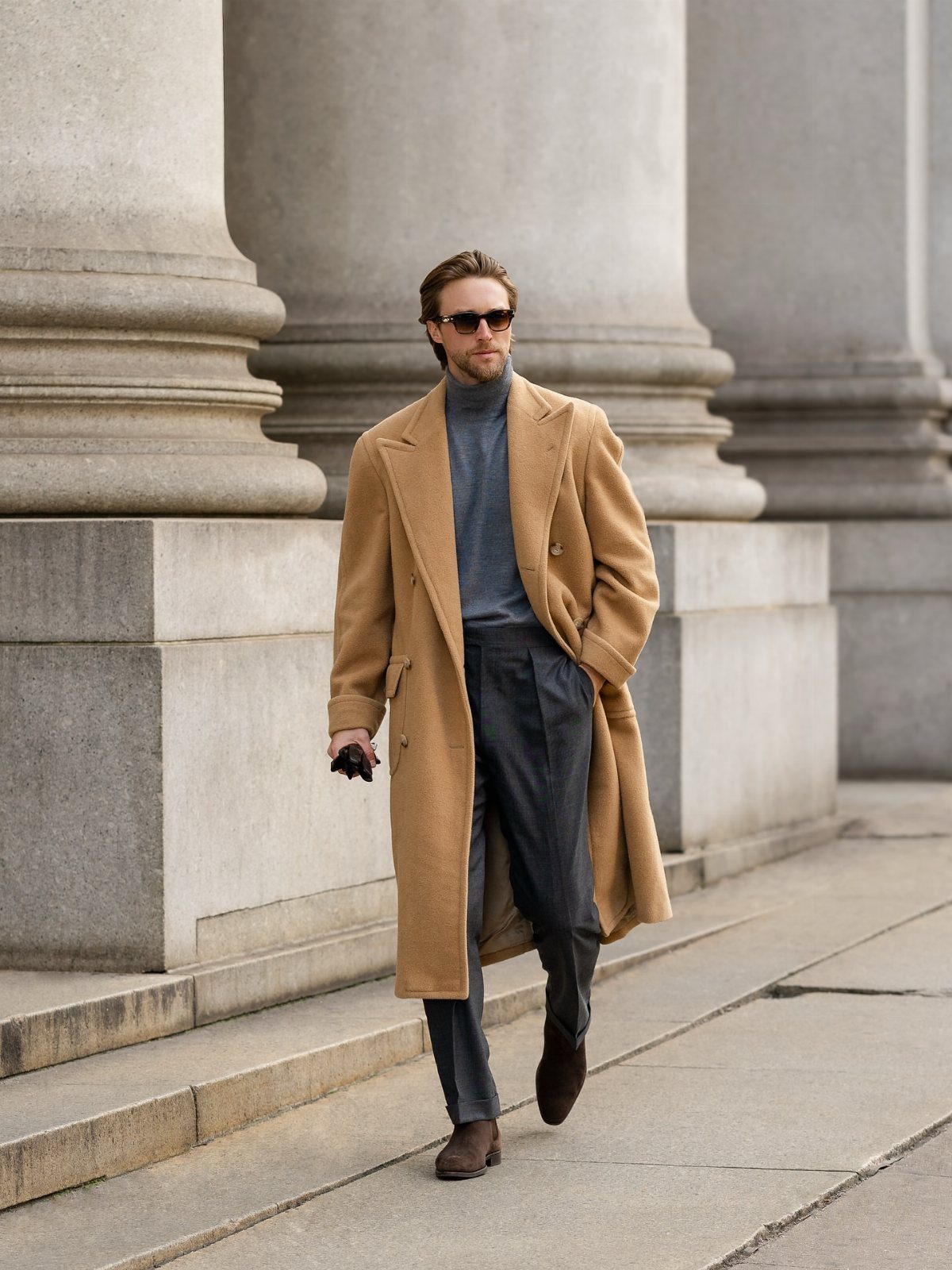
Long coats cover the thighs, and that extra length is what separates them from a jacket on a windy avenue. A camel wool overcoat is my pick because it looks sharp over almost anything.
Pair it with a grey turtleneck, trousers and boots, and the outfit needs nothing else. The turtleneck keeps your neck warm without a scarf, though I would add one on the coldest days.
Hem length matters. Aim for just above the knee or slightly longer, so the coat reads as deliberate rather than borrowed.
3. Shearling Winter Coat
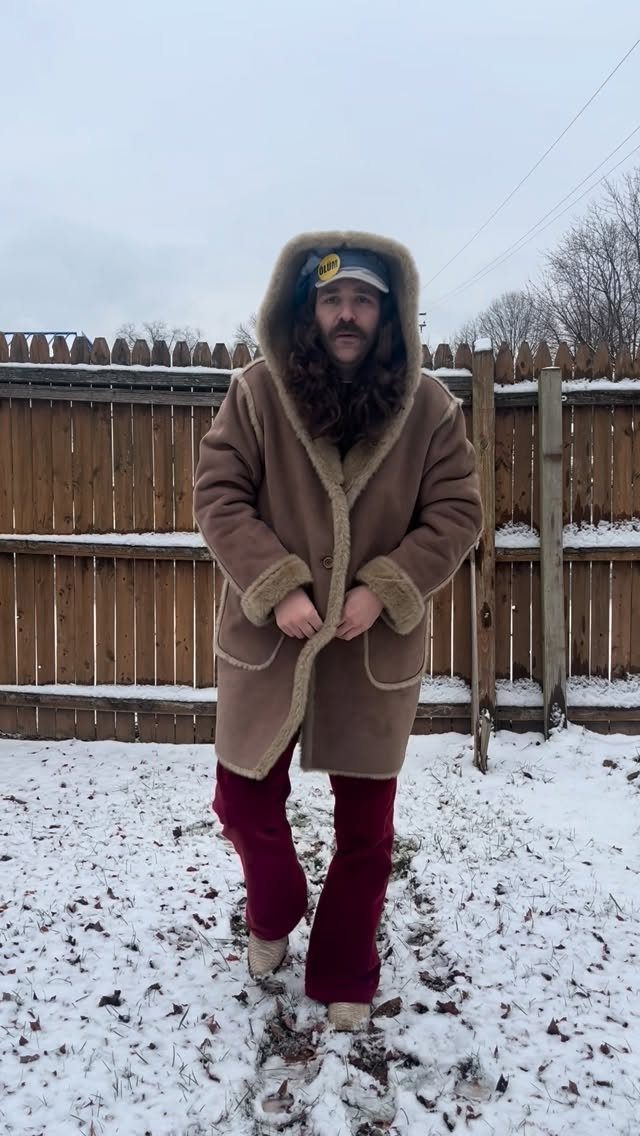
Shearling is the heaviest coat you can wear in a New York winter, and a tan hooded version makes sense for snow rather than a heated commute. The wool lining holds heat against you, while the suede face blocks wind.
Because the coat is bulky, I like keeping everything under it plain. Flared trousers in maroon add color, and a ball cap keeps the look casual instead of costume-like.
Expect it to cost more than a puffer, and to feel too warm indoors. Plan to take it off.
4. City Winter Streetwear

Black on black is the simplest city winter uniform: a black jacket over a hoodie, topped with a baseball cap. Nothing clashes, and slush on the sidewalk hardly shows on dark fabric.
The hoodie is your middle layer, so choose a mid-weight one that fits close enough to slide under the jacket. A cap adds some warmth for the head, though it will not replace a beanie in real cold.
Vary texture instead of color. A matte jacket over a heathered hoodie keeps all black from looking flat.
5. Quilted Jacket and Layered Knit
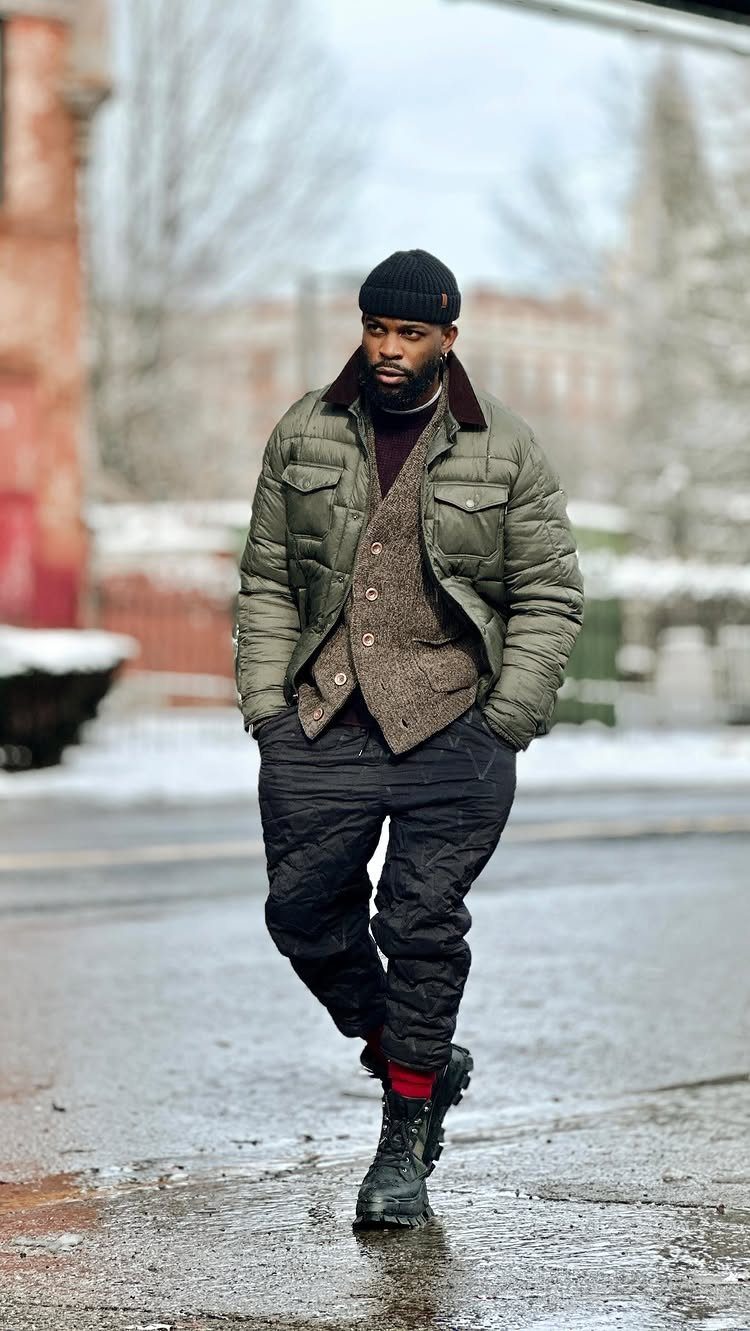
Olive quilted jackets work because they are light but still warm, and they sit well over a knit. A brown buttoned cardigan underneath adds a second layer you can open when you step indoors.
Add a black beanie, dark pants and winter boots, and the colors stay calm: green, brown, black. I like that this outfit handles a wet street without looking like gear.
Pick a cardigan that fits snugly. A loose one bunches up under the quilting and ruins the line of the jacket.
Choosing the Right Footwear
Waterproof boots keep your socks dry, and that matters more than any other footwear choice on a snowy sidewalk. Check the sole before you buy: deep, rubber treads grip icy corners far better than smooth leather.
Insulated waterproof boots are the warmest option. Ankle boots with a rubber lug sole hold their grip on icy sidewalks, and they sit cleaner under trousers than a bulky snow boot does.
Lined rain boots work only on milder days, roughly 40°F and up, since the lining is thin next to a true winter boot.
If you walk a lot, cushioned insoles and arch support are worth paying for, since tired feet end a day out faster than cold ones. Thermal linings and moisture-wicking materials help too.
Wear warm, moisture-wicking socks with any of them. Damp socks undo a good boot.
Packing Essentials for Winter
Packing for a winter trip works best when every piece mixes with the others. Pick one color palette, then bring a few base layers that sit under several outfits.
One warm, insulated coat covers you from a morning of sightseeing to a dinner reservation, and a few layers underneath let you adjust it.
Bring boots that look good but still handle a long walk, so one pair does two jobs.
Here is the short list I would pack:
- A warm, insulated coat
- Waterproof boots or sturdy shoes
- Thermals, turtlenecks and sweaters for layering
- Gloves, a scarf and a hat
Wool, fleece and down layer well and trap heat, so you stay warm without a suitcase full of bulk.
Fashion Meets Function
Warmth and style don’t compete if you layer well. Layering also stretches a wardrobe, since a light sweater or shirt from another season suddenly earns its place again.
A turtleneck under a lighter button-down is a good example. A fitted knit under a summer piece is another.
Build outfits that come apart easily. Thin layers let you shed one indoors without losing the look, which beats wearing a single bulky piece that is too hot the moment you step inside.
I would pick the outerwear first, since it is what people see, then fit the layers beneath it to your own taste.
Frequently Asked Questions
What to wear in New York in winter?
Spend your money on the coat and boots, then keep the rest slim: a fine-gauge sweater, dark denim or wool trousers, and boots that shrug off slush.
Between a black puffer and a camel overcoat, one of them works for nearly any weekday, and a thin layer underneath comes off indoors without wrecking the outfit. Add a hat, gloves and a scarf for the coldest days.
Is New York City cold in winter?
Yes. Snow, rain and sleet all show up, so a warm coat and waterproof boots matter more than anything else you pack.
What is the dress code for winter?
Layering is the rule. A turtleneck under a light button-down gives you warmth without bulk, and a heavy coat on top finishes it.
You stay warm outside and can take a layer off indoors without the outfit falling apart, which a single bulky piece can’t do.