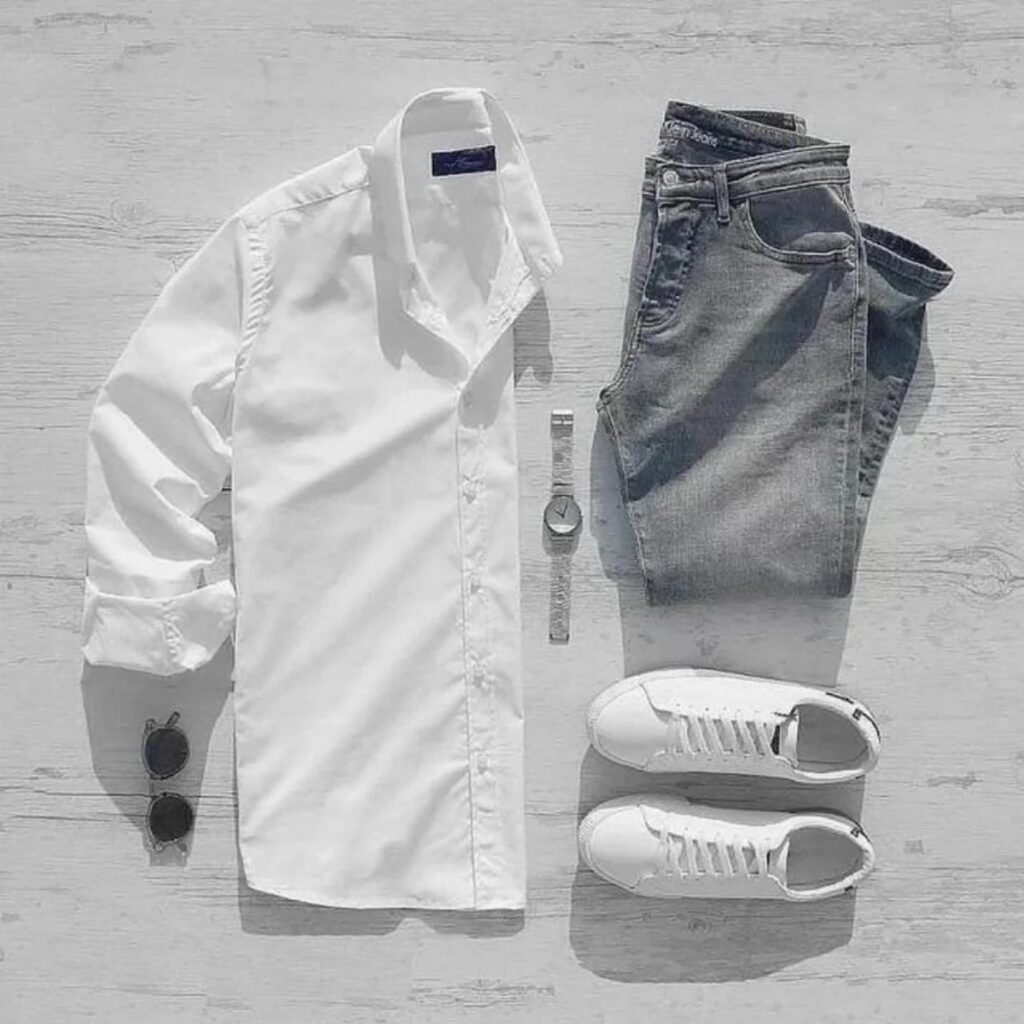
The list runs from a matched black sweat set to an embroidered tunic and trousers, so the effort ranges from pulling on 2 pieces to pressing a shirt and finding a tailor.
Which one suits you depends on the day: a casual lunch, a dinner date, the office or a warm afternoon each points to a different outfit, whether that is a sweater and blazer, a crisp button-down or a graphic tee with light jeans.
1. Comfort Is Key
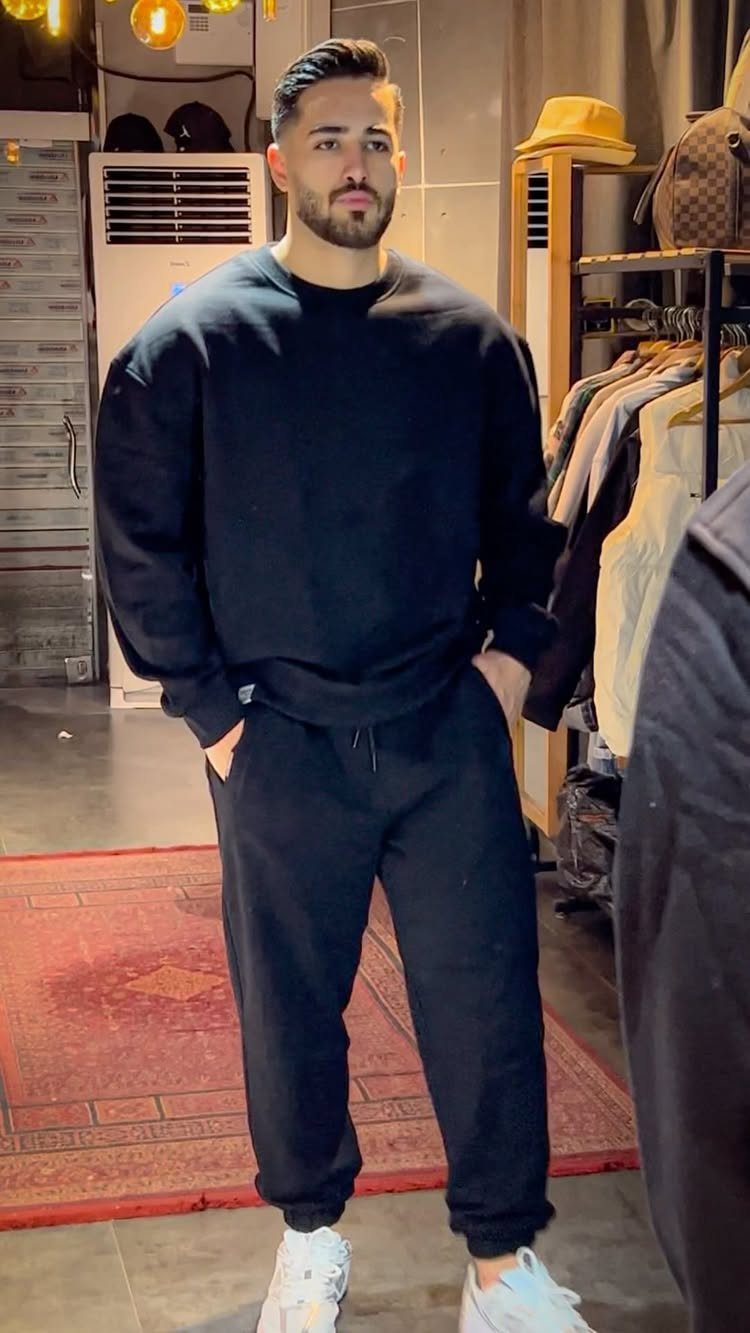
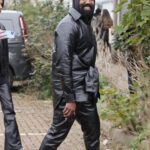
Black on black is the easiest way to make sweats look intentional. A sweatshirt and sweatpants in the same shade read as one outfit, and white sneakers break up the dark block.
Oversized works here, but only up top. Keep the sweatpants close to the ankle so the shape doesn’t turn into a sack.
I’d pick a heavy, matte fabric over anything shiny. It hangs better and looks less like pajamas.
2. Sweaters, Blazers, and Outerwear
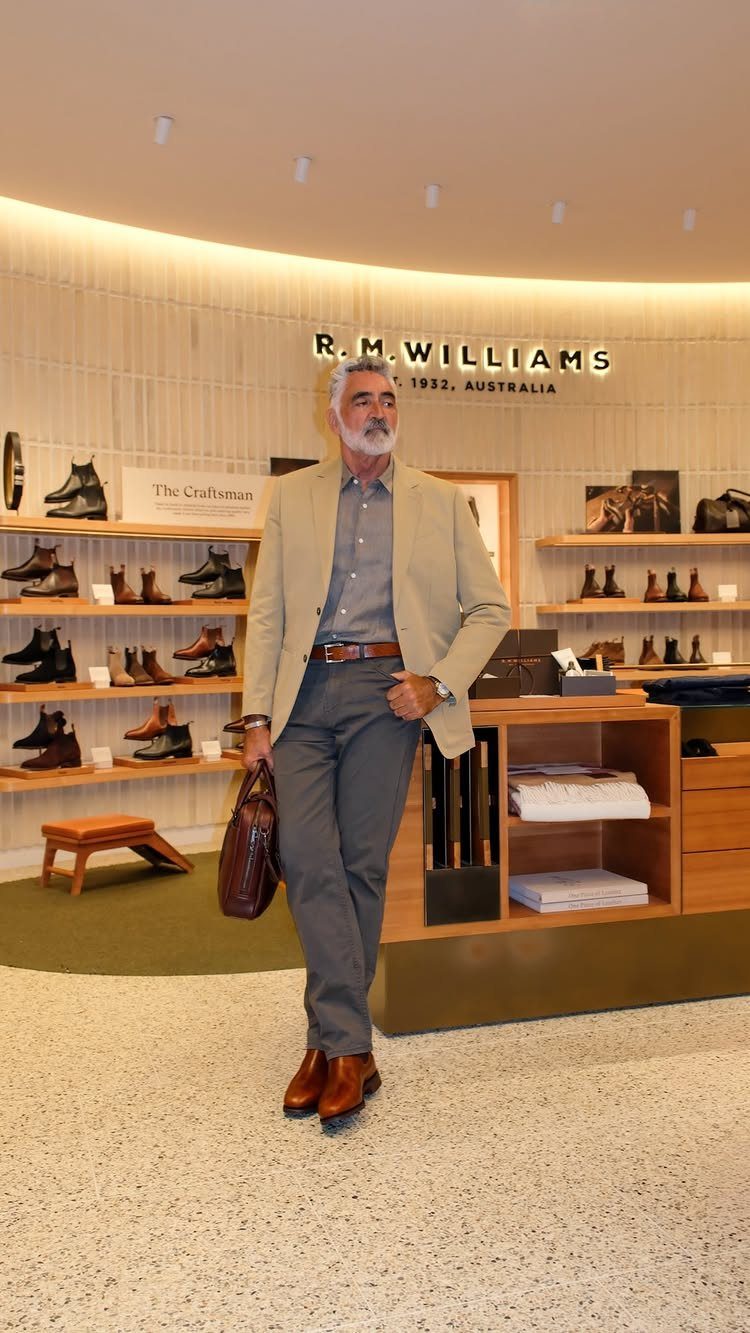
A tan blazer over a grey shirt does more for a man than almost any other single layer. Grey trousers and brown leather boots stay quiet in color, which leaves the jacket as the one thing people notice.
Stay with earth tones and one cool neutral. That combination mixes easily with what most men already own.
For a casual day, swap the blazer for a sweater in a similar shade. It’s a softer look, though less sharp for the office.
3. Crisp Button-down Shirt
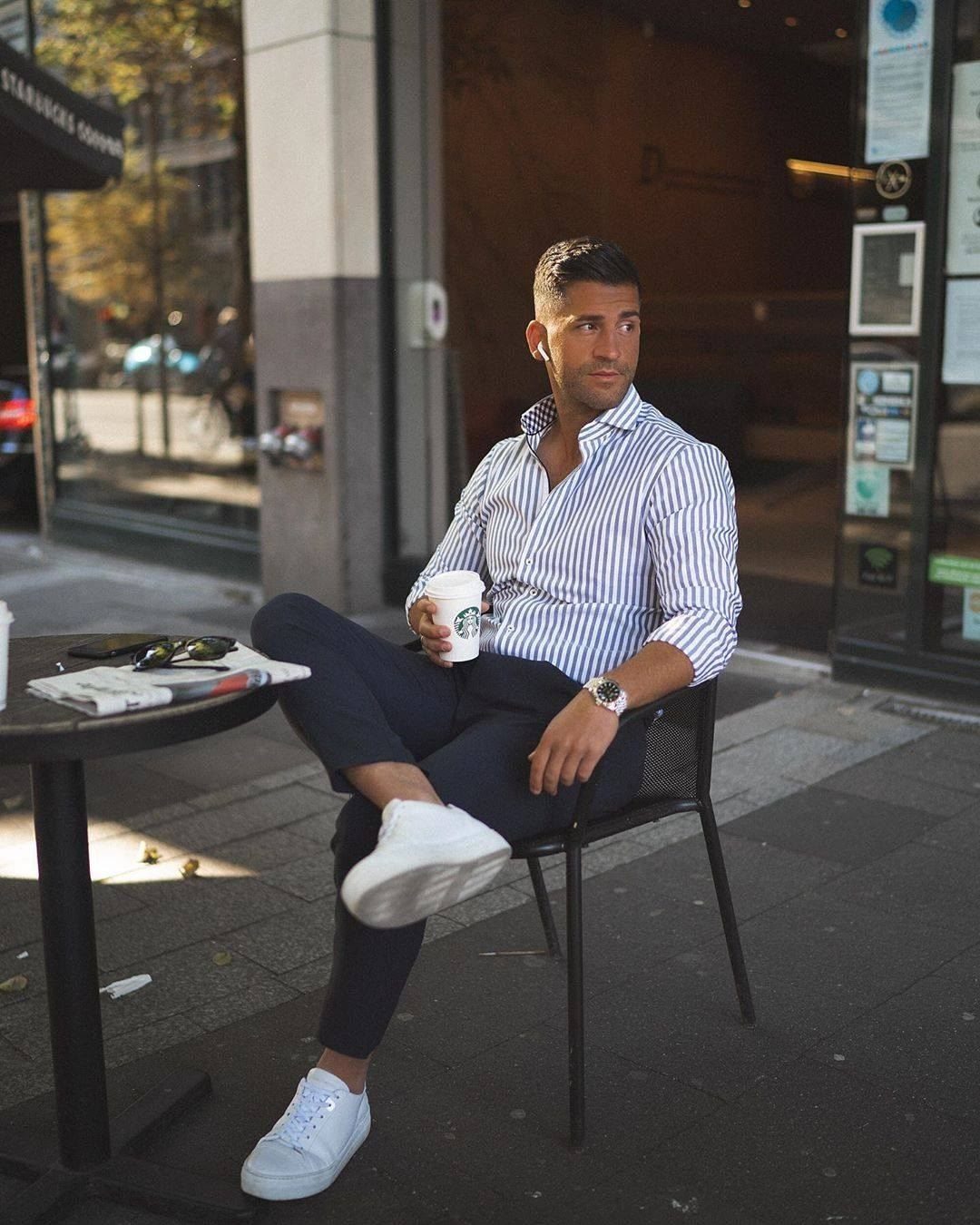
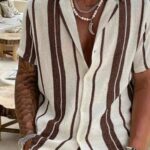
Stripes make a button-down shirt feel relaxed without losing its structure. Blue and white is the safest pairing, and it works with dark trousers and plain sneakers.
Press it before you wear it; the whole look depends on that crispness. Cropped trousers show off the shoes, so keep those clean.
I’d wear this for a casual lunch or a dressier errand. Add a blazer when you need it to go further.
4. Open Plaid Over White Tee
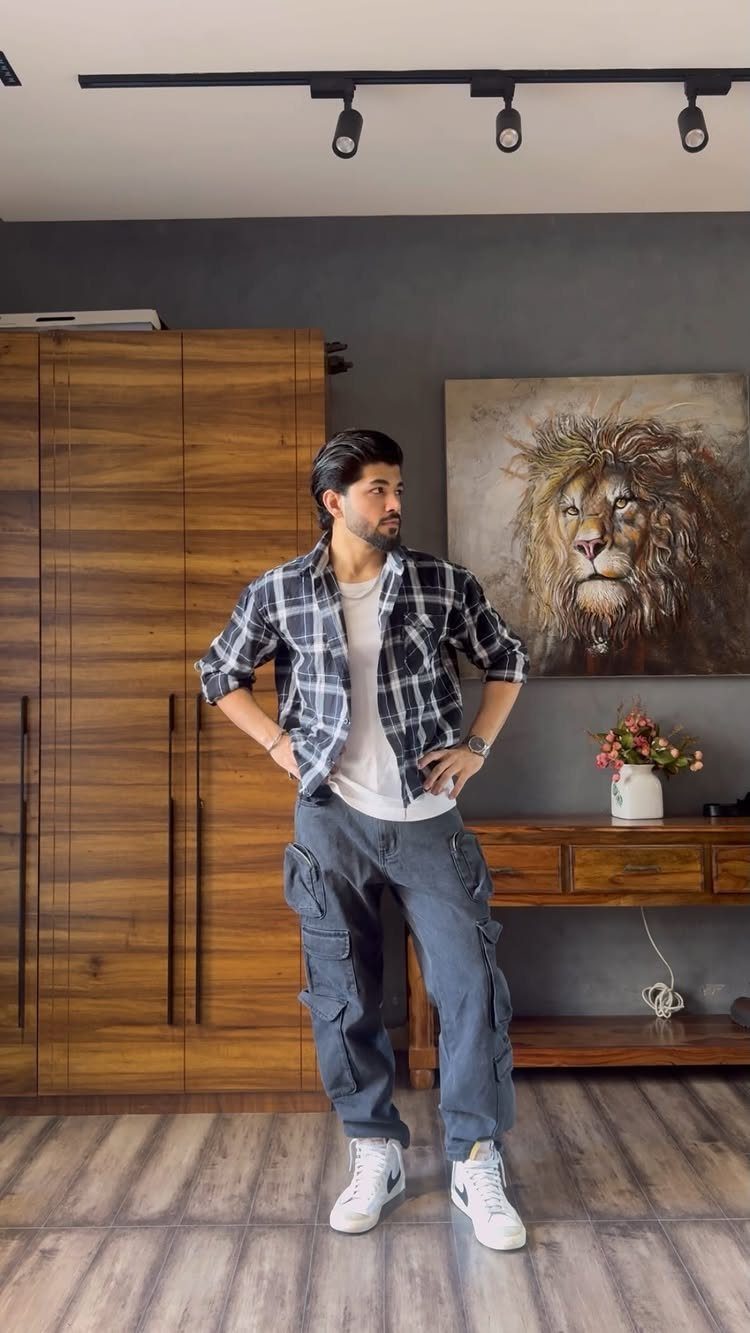
Leave the plaid open and let the white tee do the work underneath. This is the lowest-effort layer I know: nothing gets tucked, buttoned or matched.
Dark cargo pants or jeans ground it, and white sneakers echo the tee. Pick a plaid with a few colors at most, so the tee still looks clean beneath it.
If the shirt runs long, fold the sleeves up a turn or two so the cuff sits below the elbow. It keeps the outfit from looking sloppy.
5. Graphic Tee and Light Jeans
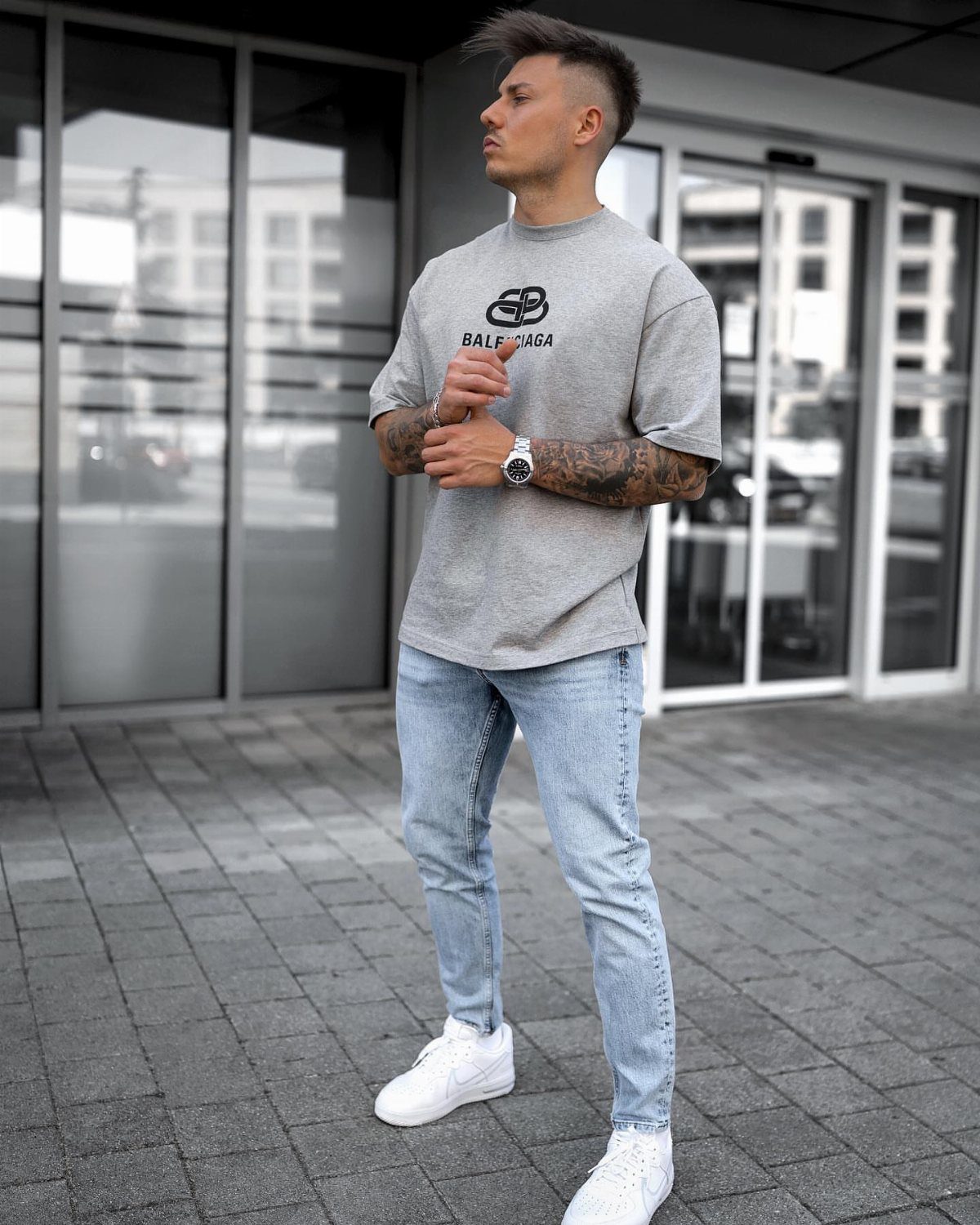
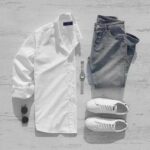
A grey graphic tee against light-wash jeans is a simple, low-contrast pairing, and the print becomes the one loud thing. Everything else should stay plain: white sneakers and no extra logos.
Choose a crewneck with a relaxed fit, not a tight one. The jeans should sit clean and free of heavy distressing, so the tee stays the focus.
I like a muted graphic over a bright one. It stays wearable for longer.
6. Short-sleeve Shirt with Wide-leg Trousers
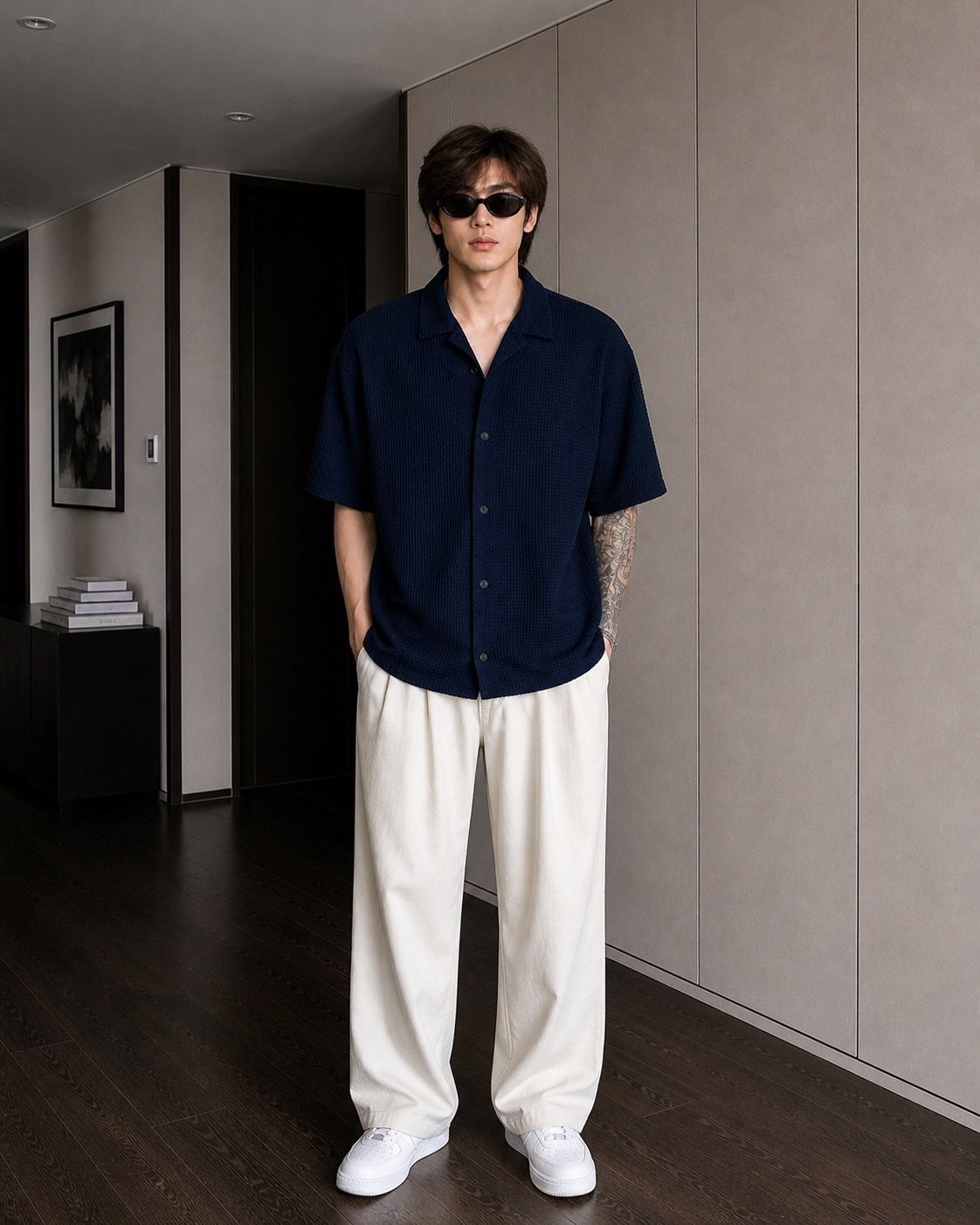
Wide-leg cream trousers give a dark short-sleeved shirt room to look deliberate. Navy against cream is what makes this work, and it’s an easy pairing once the temperature climbs.
Tailored trousers matter here. Wide legs in a stiff, well-cut fabric hang cleanly, while a floppy pair swallows the outfit.
Wear the shirt untucked or half-tucked, depending on its length. White sneakers keep things easy, and sunglasses finish it.
7. Plaid Shirt with Baggy Jeans
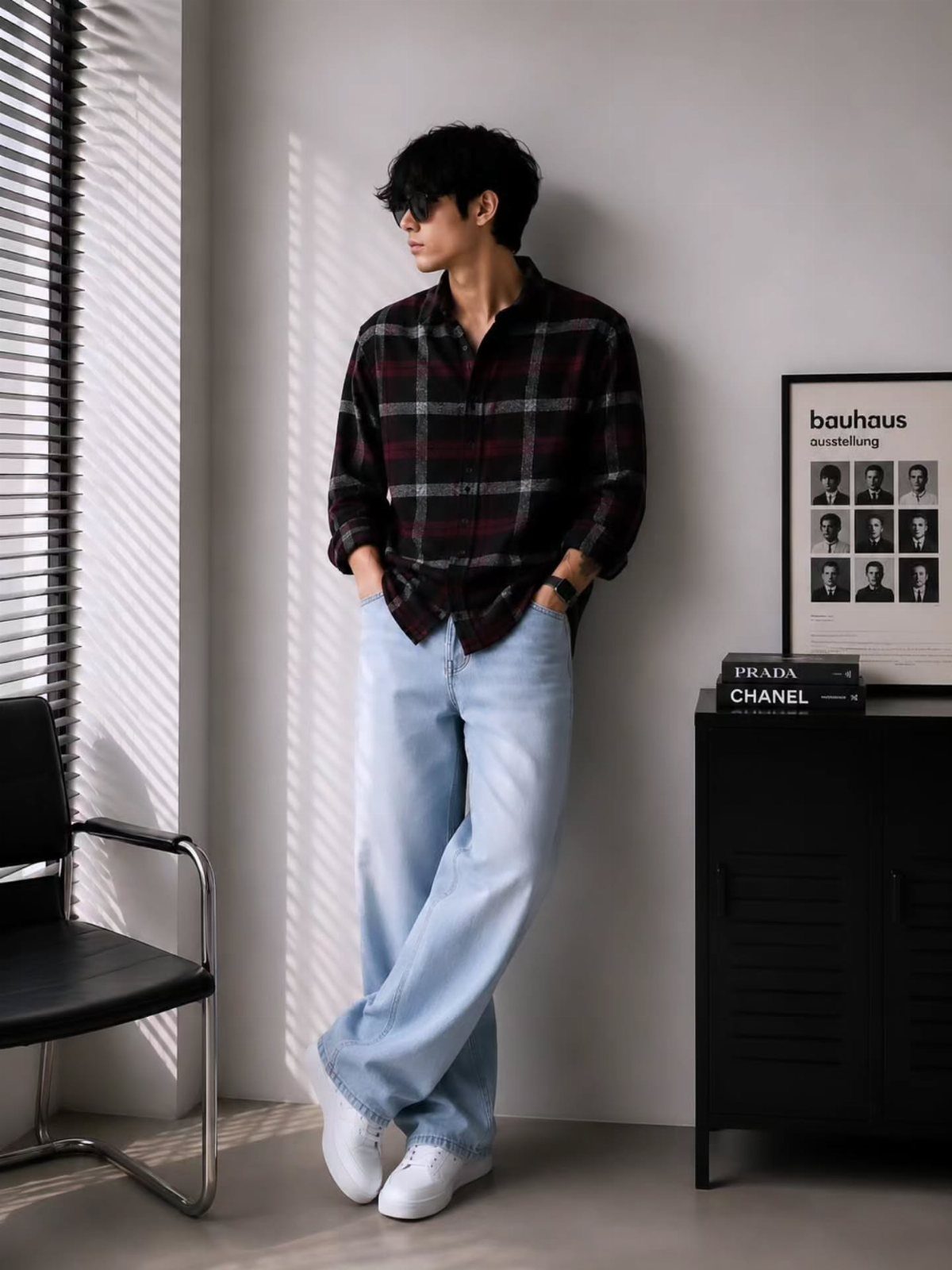
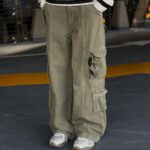
Buttoned all the way up, a dark plaid shirt gives loose light-blue jeans some structure. Without it, the baggy denim can look like laundry day.
White sneakers keep the bottom half clean. Let the jeans break over the shoe a little, but not so much that the hems drag on the ground.
A shirt that fits through the shoulders works best here, since the jeans already supply all the volume this outfit needs.
8. Tucked Top with Pleated Trousers
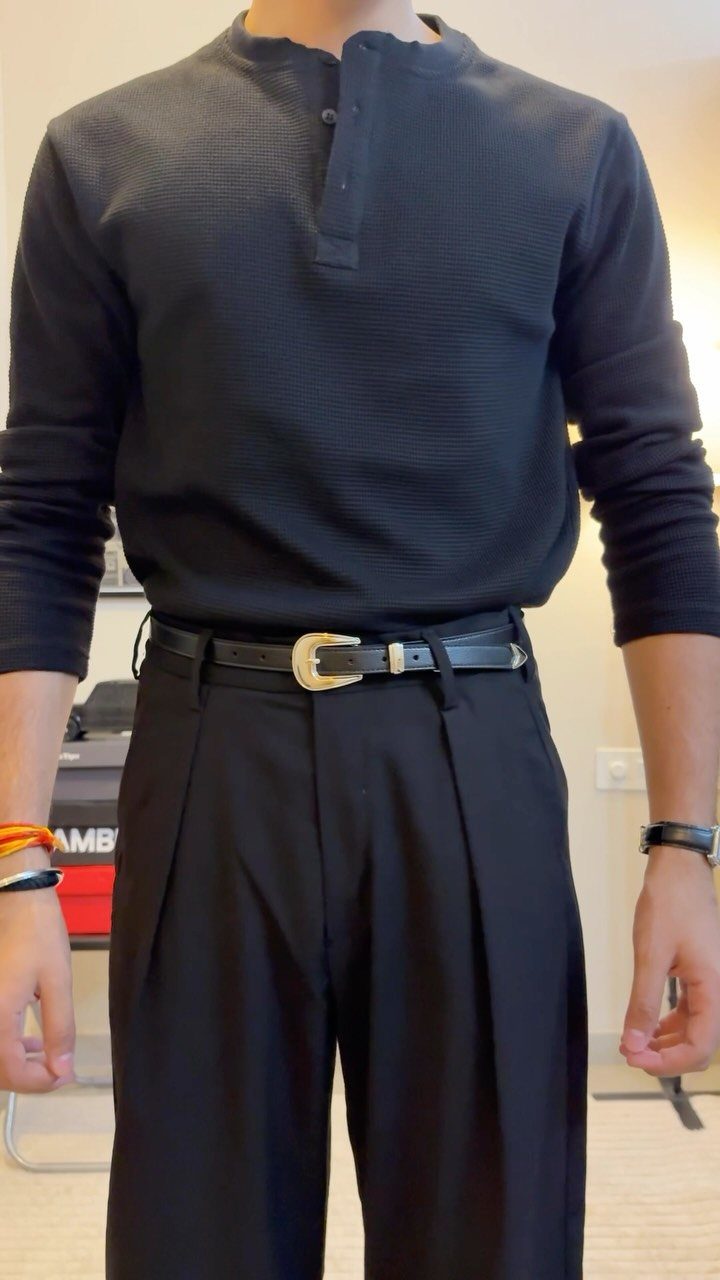
A waffle-knit henley tucked into pleated trousers, all in black, looks far dressier than its parts suggest. The texture of the waffle weave keeps a single color from going flat.
The tuck is what makes it work, and a belt is what holds it together. A gold buckle gives the outfit its one bright spot, so skip other metal.
I like this for dinners and dates. Choose trousers with a clean drape, not a stiff one, so the pleats lie flat.
9. Traditional Embroidered Tunic and Trousers
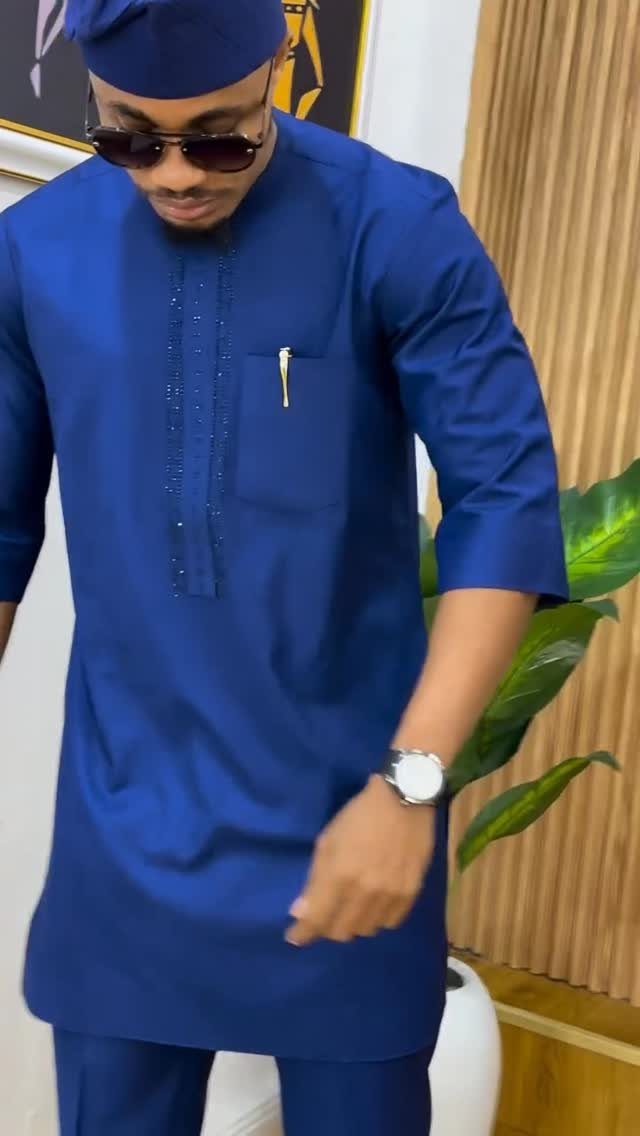
A matching embroidered tunic and trouser set in royal blue is a complete outfit in 2 pieces. The color and the stitched detail carry it, so nothing else needs to compete.
A cap in the same blue, as the set shows, plus dark sunglasses will hold the outfit together and sharpen it. A watch is enough jewelry.
Keep the fit easy through the body, and pick a tunic with embroidery you actually like up close, since it is the focal point.
Importance of Fit
Fit decides how an outfit looks more than price does. A cheap shirt that fits beats an expensive one that doesn’t, and that’s the rule I’d follow before buying anything.
Check 4 spots. Check the shoulder seam first, because a tailor can fix almost everything except that: on a shirt or jacket it belongs at the bony edge of your shoulder, not drooping toward the arm.
Button the jacket and look at the chest; if the fabric pulls into an X around the button, the size is too small, and no amount of standing up straight will fix it.
Good pants stay up at your natural waist, the narrow part of your torso above the hip bones, and a belt should be there for looks rather than rescue.
Most off-the-rack clothes miss on one of these, so find a tailor who gives honest feedback and will tell you when a piece isn’t worth altering.
Fixing sleeve length and trouser hems costs far less than replacing the garment, and it changes how the whole outfit reads.
Comfort in Style
Comfort should be a buying rule, not an afterthought. Pick soft, breathable fabrics, and skip anything that constricts at the neck, arms or thighs.
Comfort doesn’t have to cost you style, and fit is how you get both.
Many brands sell athletic fits plus tall and short lengths, so check those before assuming a cut just doesn’t work on you. Then tailor the piece if it’s close but not right.
Build around a small set of pieces that mix with each other. A closet of interchangeable items gives you plenty of outfits without a crowded rack, and you’ll reach for the same comfortable clothes because they all go together.
If you feel good in what you’re wearing, you’ll stand and move better, and that shows more than any label.
Frequently Asked Questions
What are the latest fashion trends for men?
Chasing this season’s trends is the weaker move; timeless pieces last longer.
Blazers, sport jackets and trousers are classic menswear that won’t look dated in a few years, while exaggerated trends such as huge lapels or ultra-skinny ties have aged badly before.
If you want something current, add it through one easy piece like a graphic tee or wide-leg trousers.
How to style vintage clothing?
Mix a vintage piece with modern basics so the outfit looks balanced instead of like a costume.
Let the vintage item be the one thing people notice and keep the rest plain, such as white sneakers, dark jeans or a clean tee.
Fit matters just as much as with new clothes, so tailor anything that is close but not right.
What is the 3-3-3 rule for men?
I don’t have a reliable definition of the 3-3-3 rule, so I won’t guess at one. Pick a handful of pieces that work with each other and build every outfit from that group; that habit beats any numbered formula.
Stay with earth tones plus one cool neutral, and a few items will give you plenty of combinations without a crowded closet.
What are the best men’s dressing styles for everyday wear?
Casual combinations built on a few easy pieces work best.
3 combinations cover most days: a tan blazer with a grey shirt, grey trousers and brown boots; an open plaid shirt over a white tee with jeans; or a graphic tee with light jeans.
How should men’s clothes fit?
Start at the shoulder seam, because a tailor can adjust nearly everything else on a jacket or shirt but cannot rebuild that.
The seam belongs right at the bony tip of your shoulder; if it slides down toward the arm, the garment is too big. Sleeve length and trouser hems are cheap to fix, and a good fit beats a high price.