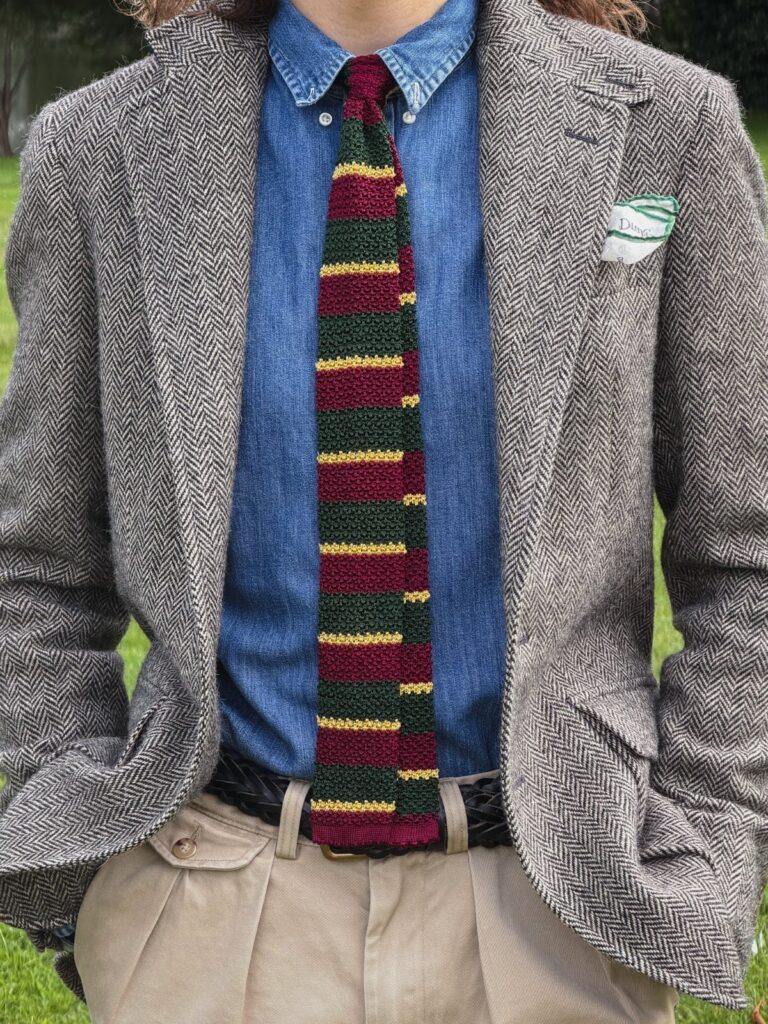
The ideas here run from a single pair of burgundy tassel loafers to a double-breasted navy overcoat worn over a grey pinstripe suit, so the range is really about how much of the outfit you’re willing to change.
Where you spend your day settles it: a desk or classroom calls for the quiet, formal side of Ivy, like blazers and sportcoats or a silk tie, while weekends and warm weather suit the looser preppy side, like rugby polos and khaki chinos.
1. Khaki Chinos
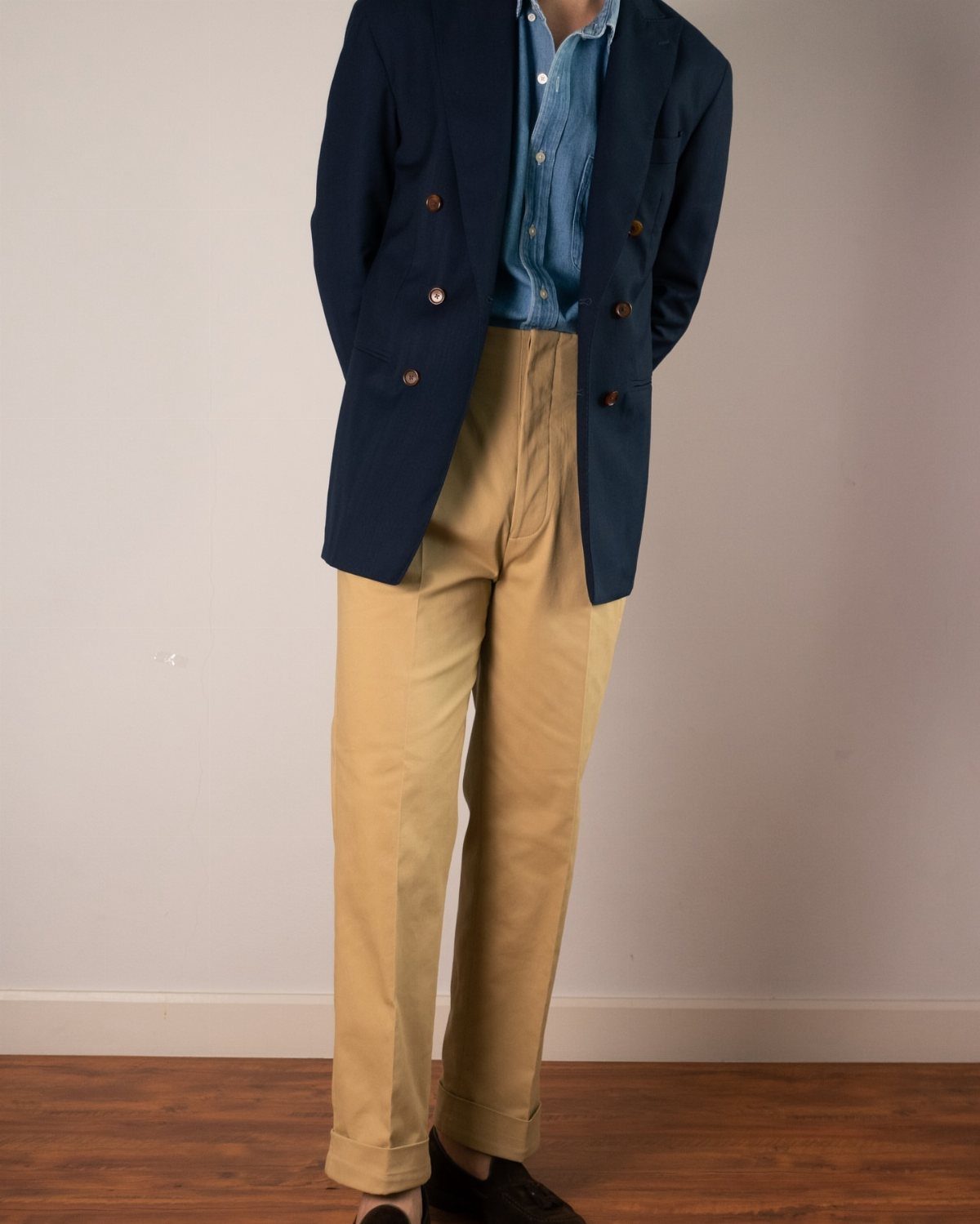
Cuffed khakis with a high rise do most of the work in this outfit. They sit at the natural waist, which keeps a button-down tucked and a blazer hanging cleanly over the top.
I’d pick a plain tan pair in cotton twill with a small cuff, and let the hem just touch the top of the shoe.
Navy blazer, blue denim shirt, dark loafers: 3 pieces that already mix with each other, so the chinos never need a second thought.
2. Loafers
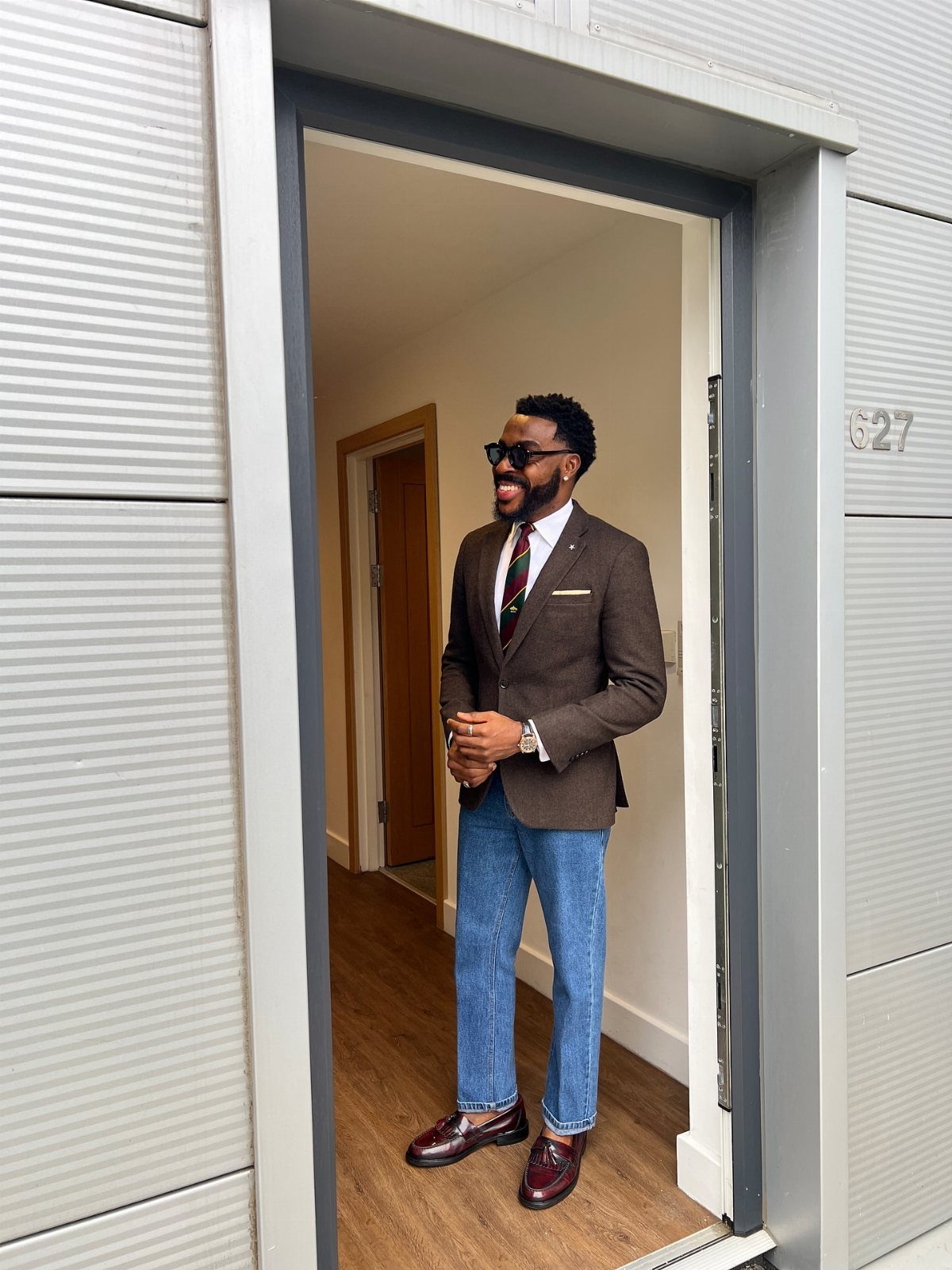
A single pair of burgundy tassel loafers can change what jeans and a blazer say. Dark red leather reads dressier than sneakers and friendlier than lace-ups, and it sits well next to brown tailoring.
For a moderate budget, I’d buy one pair in burgundy or dark brown before anything fancier.
Keep the trousers simple, and a striped tie is enough extra detail. Tassels already add personality, so everything else you wear with them can stay quiet.
3. Sweater Vests
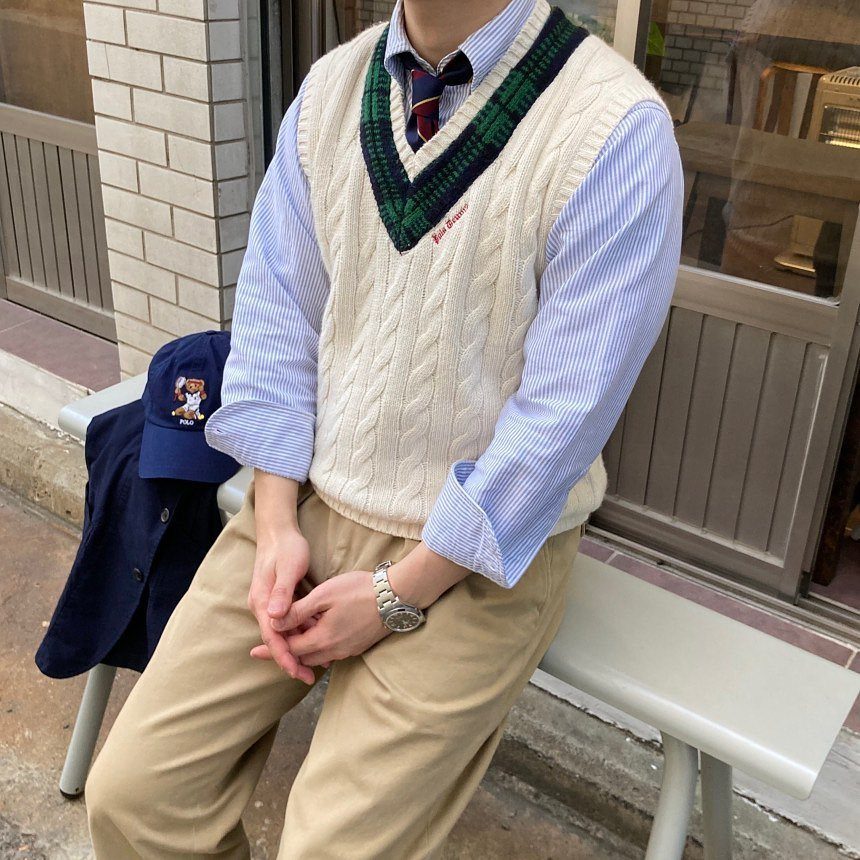
A cream cable-knit vest adds a layer without adding sleeves, which makes it the easiest sweater to wear over a shirt and tie.
Keep the shirt striped or plain and the trousers khaki, so the vest stays the loudest piece.
I’d skip a second pattern up top. If the cable knit feels like too much, a smooth knit vest in a solid color is the quieter option.
4. Knit Sweaters
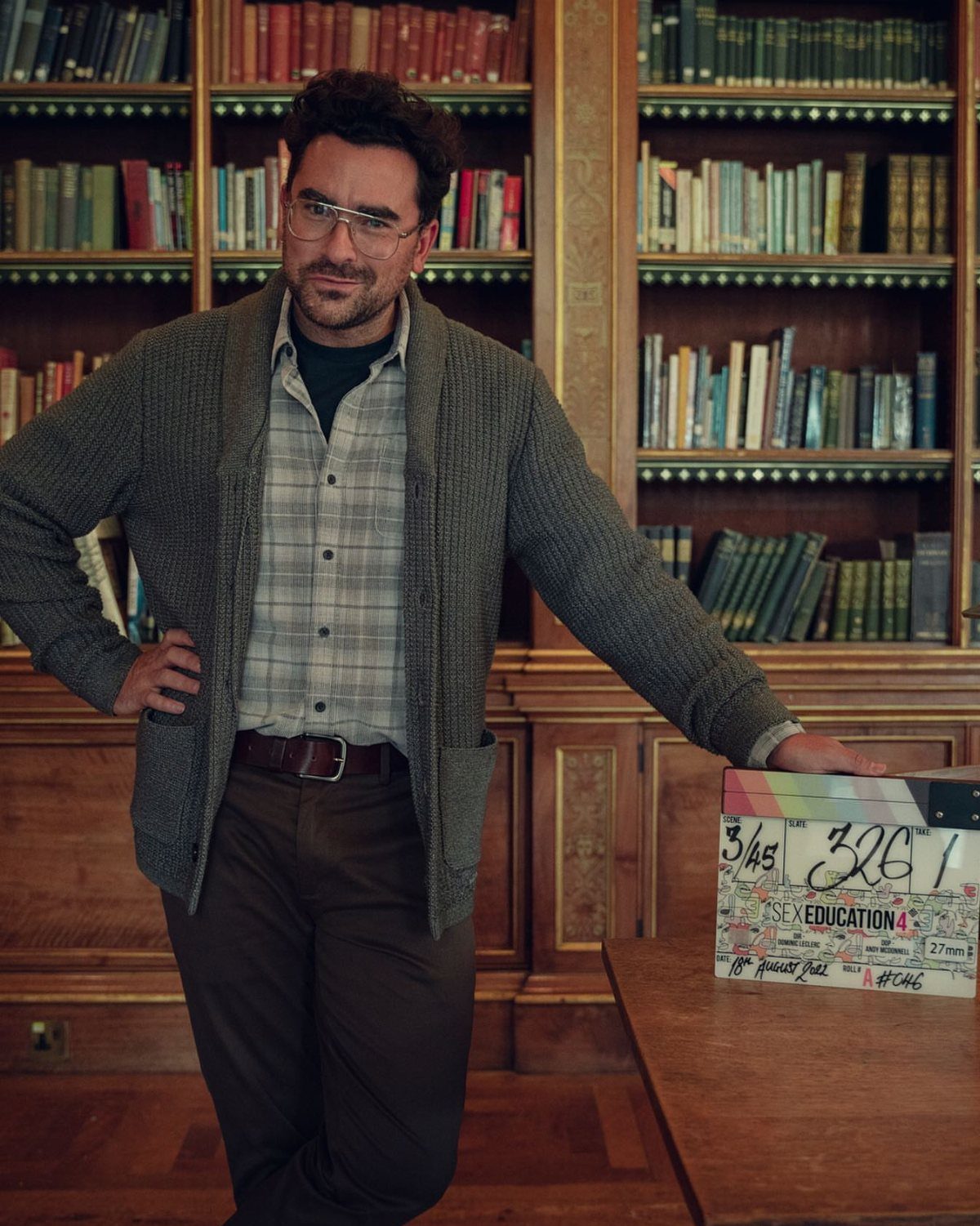
Grey shawl cardigans sit between a sweater and a jacket, and that is the appeal. Worn open over a plaid shirt and trousers, one gives you a soft, bookish outfit with almost no effort.
Choose a cardigan with a shawl collar if you want it to lie flat and look finished. Add a tie underneath for work or a date, or leave the collar open for class and weekends.
5. Letterman Jackets
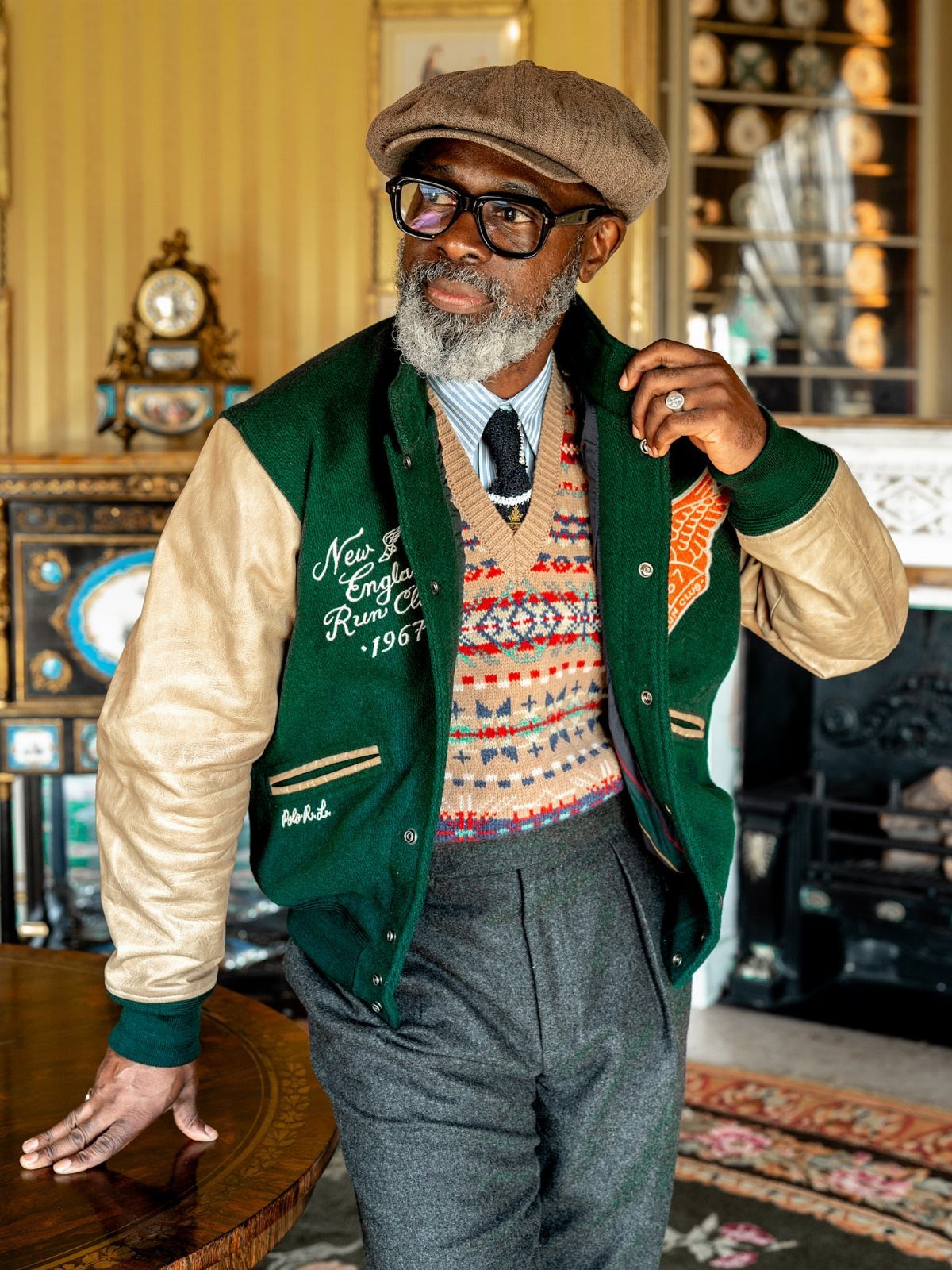
A varsity jacket in green and cream reads as sportswear, so everything you pair with it should be tidy. Add a fair isle vest, a tie and a flat cap, and a letterman jacket moves closer to a heritage look.
Wear the jacket as the outer layer and keep what’s beneath it traditional.
I’d limit the patterns to the vest and the jacket’s own stripes or lettering. Pick 2 colors from the jacket and repeat them once in the knitwear.
6. Silk Ties
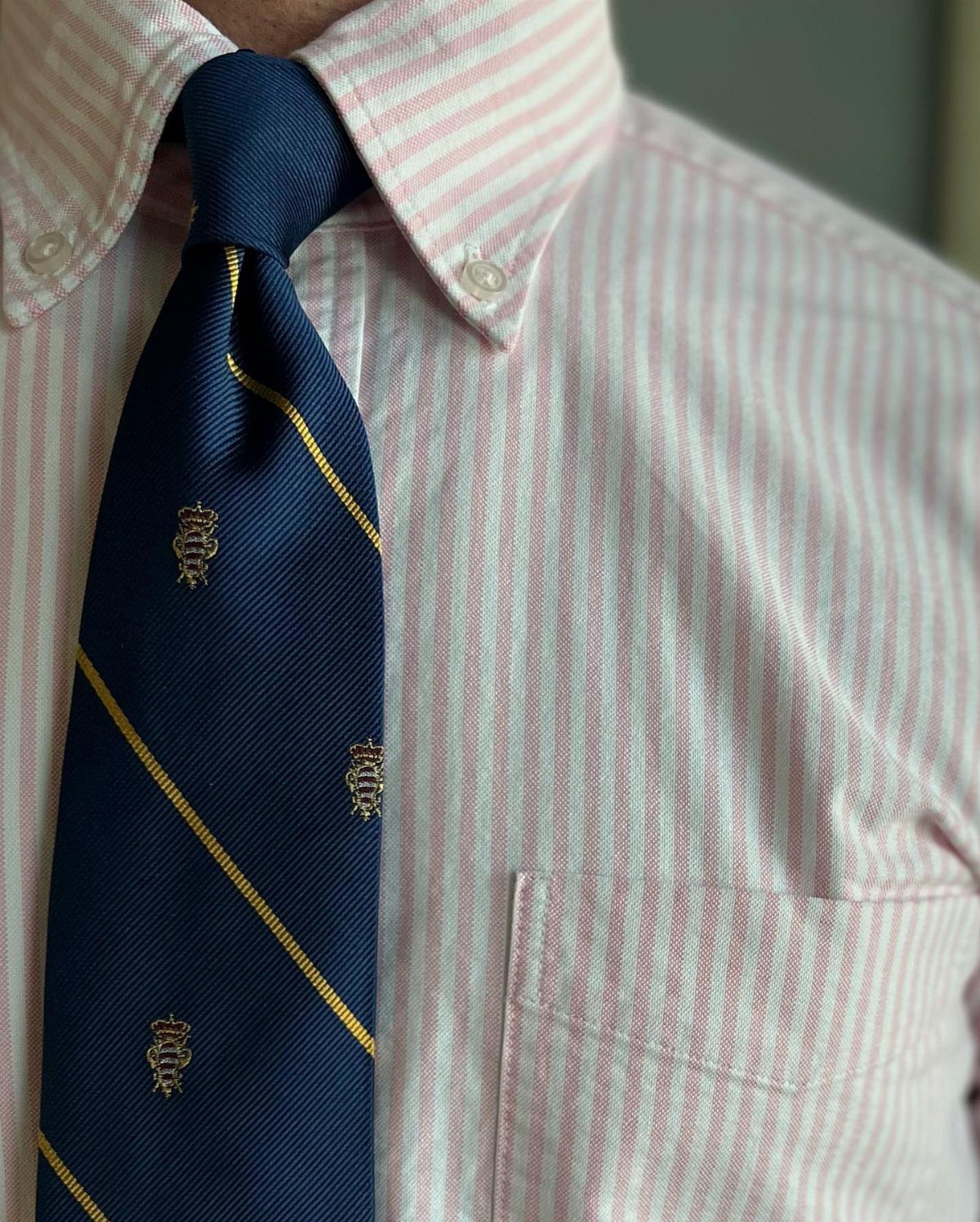
For a first tie, I’d start with navy because it works with nearly any jacket or shirt color.
Keep the shirt pattern wider or fainter than the tie’s pattern so the two don’t compete. A button-down collar keeps the whole look relaxed.
7. Rugby Polos

Nothing adds sport to a desk outfit faster than a striped rugby polo. Navy and maroon stripes with a white collar read as traditional without looking dressed up.
Layer it over a checked collared shirt and keep the shirt’s collar flat and neat, so the 2 collars don’t fight each other.
I’d keep the check small so the stripes stay the main pattern. Dark trousers or jeans finish it.
8. Blazers and Sportcoats
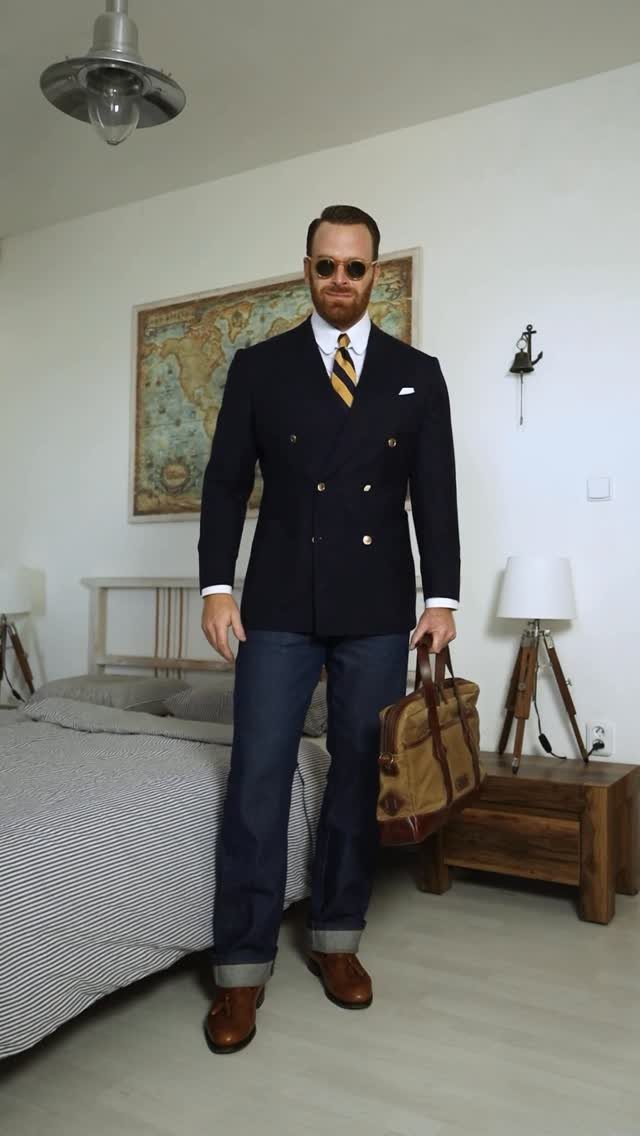
A navy double-breasted blazer is the one jacket I’d build a whole outfit around. Pair it with a striped tie and rolled-cuff jeans, and it looks dressed up on top and relaxed below.
Dark jeans and brown shoes are what I’d pair with a blazer or sportcoat; they keep the jacket in charge.
The blazer already carries the formality, so a plain shirt and a simple tie are enough. If the double-breasted cut feels like too much, a single-breasted navy sportcoat works the same way.
9. Collegiate Crewneck Sweatshirts
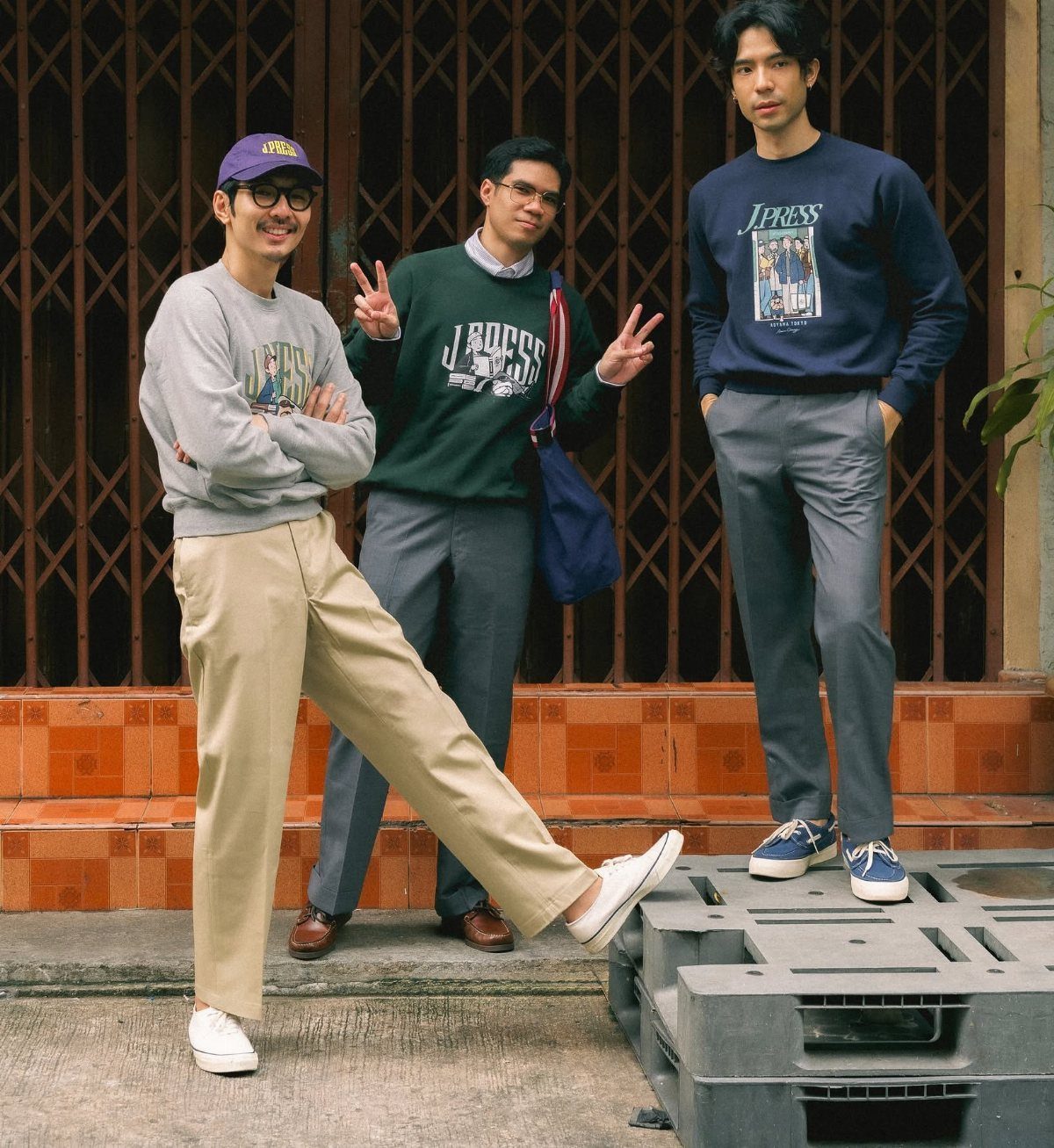
Plain crewneck sweatshirts look best when the trousers are sharper than the top. Three men in J. Press sweatshirts show it: solid tops, pressed trousers, casual shoes, and nothing else competing.
I’d choose a solid color with a small chest print at most, and skip any second logo. Trousers with a clean crease keep a sweatshirt from reading as gym wear.
10. Cardigan with Tie
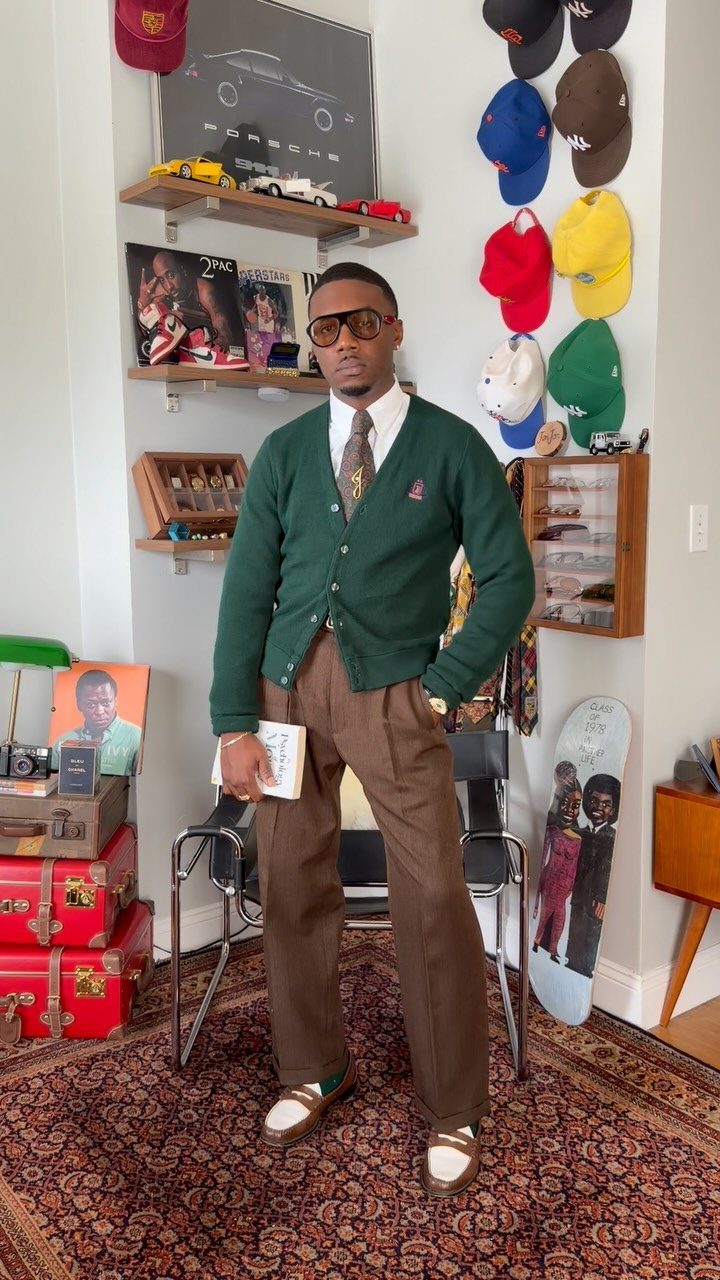
A green button-up cardigan over a white shirt and patterned tie is a classroom look that still works at an office. Brown trousers and loafers keep the palette warm and close together.
I’d keep the tie’s pattern small, since the knit already adds texture.
11. Field Jacket Layering
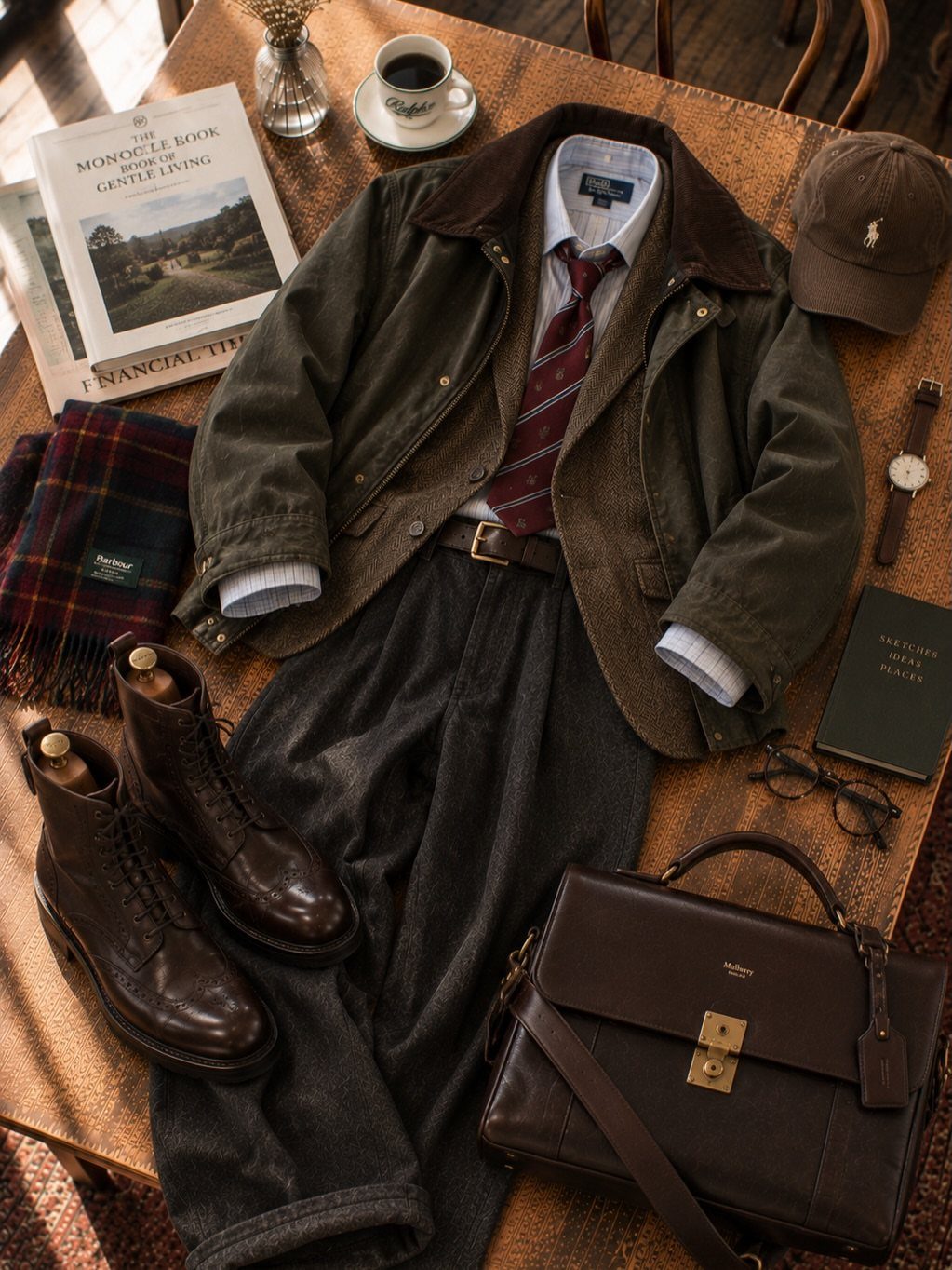
An olive field jacket is the outer layer that lets a tie and tweed survive bad weather. Over a striped shirt, tie, wool trousers and boots, it stays practical and still holds its shape.
Choose a jacket long enough to cover your blazer hem, so the layers don’t peek out unevenly.
Boots in dark leather suit it better than sneakers. A tweed blazer underneath is optional, but I like what it adds.
12. Harrington Jacket with Jeans
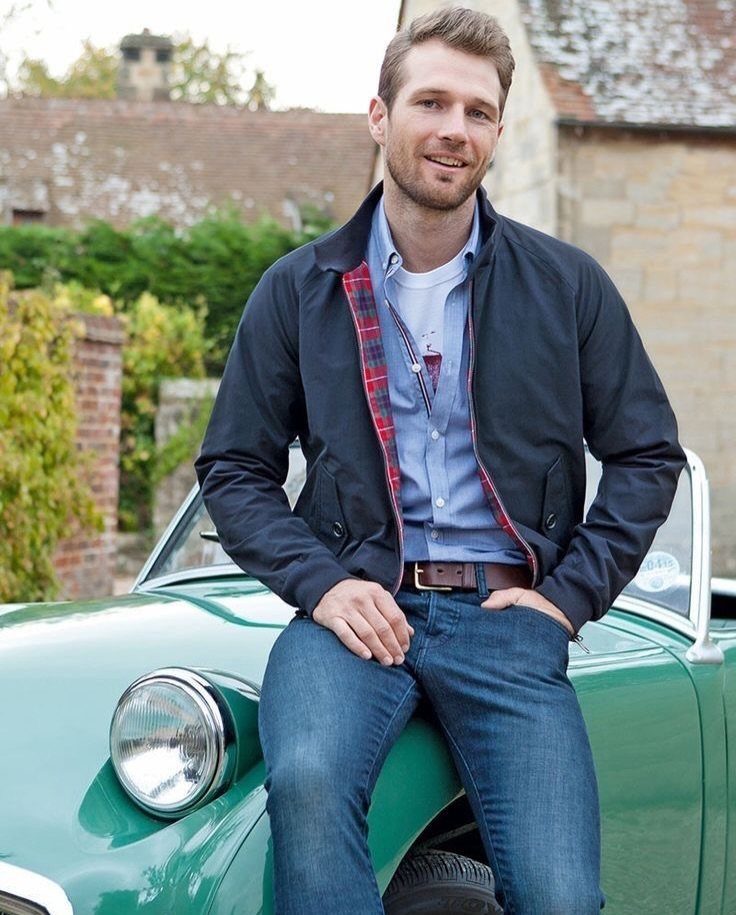
A navy Harrington jacket with plaid lining is a light layer that makes jeans look planned.
Keep the jeans dark and unfussy, and let the red plaid lining be the only bright detail.
I’d zip it halfway so the shirt collar shows. Simple brown shoes or boots complete it.
13. Striped Shirt with Tie and Denim
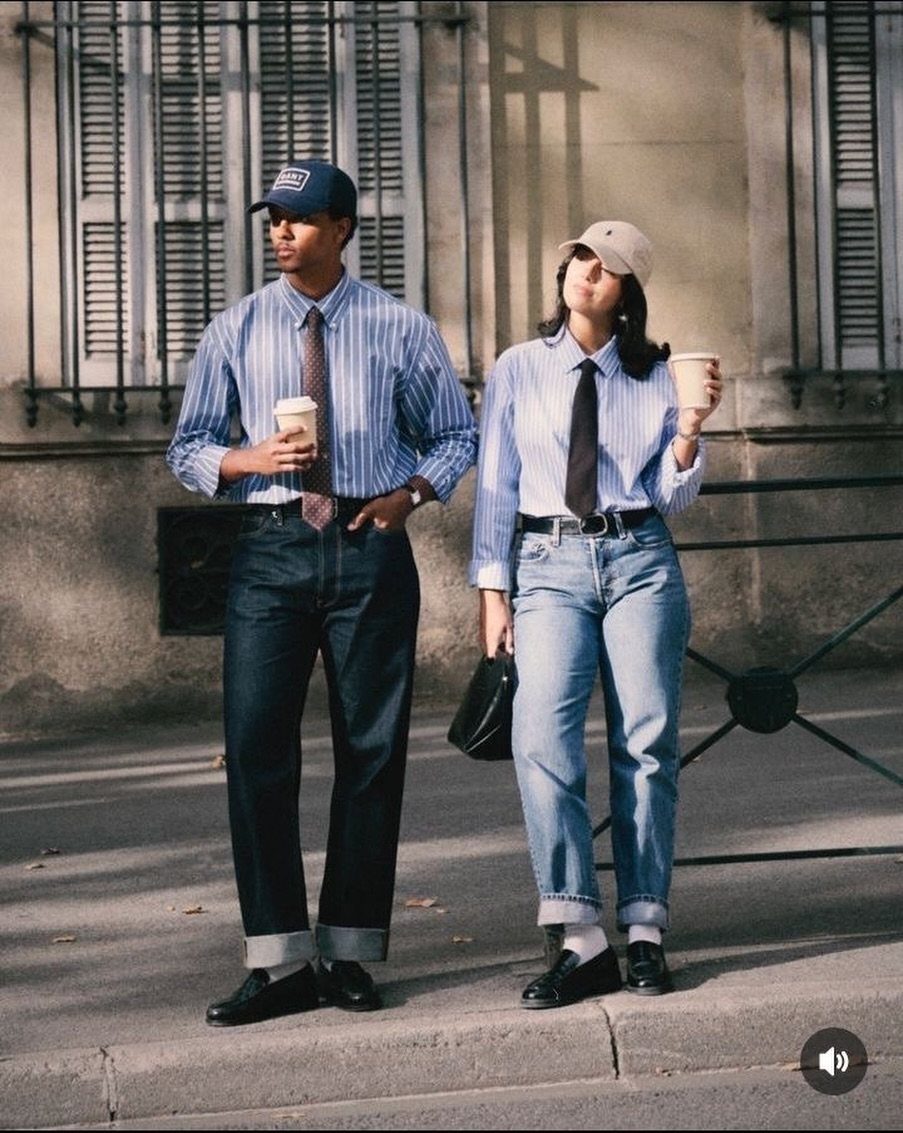
Blue striped button-downs with ties and cuffed jeans make a couple’s outfit that works because every piece is familiar. Add a baseball cap and black loafers, and the tie reads as a choice rather than a dress code.
I’d keep the stripes thin and the tie in a solid or small pattern, so the shirt stays the busier piece.
Cuff the jeans once so the loafers show. Dark denim looks sharper than faded.
14. Overcoat Layered Over a Suit
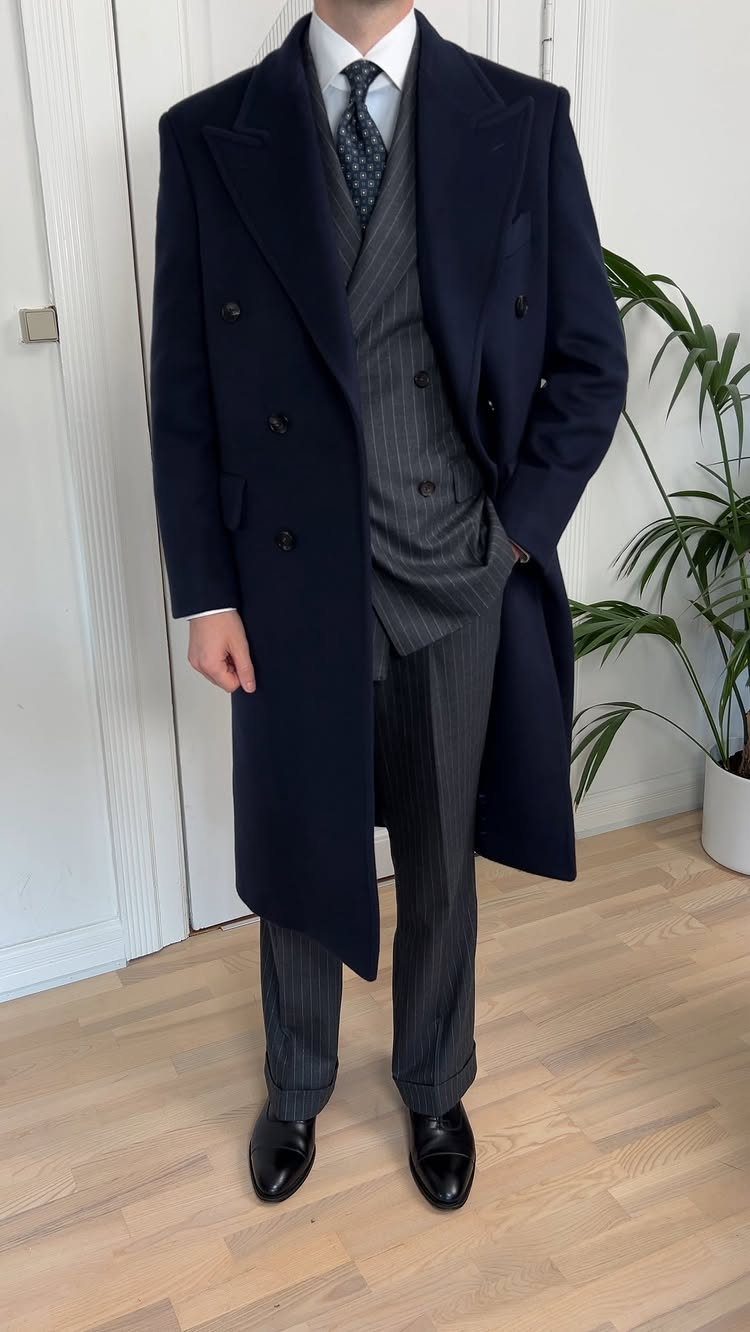
Double-breasted navy overcoats go over a grey pinstripe suit without a fight, since the coat is cut to cover a jacket.
Black cap-toe oxfords work best with a charcoal or navy suit under the coat, and a tie with a small repeating pattern, such as a rep stripe or neat, keeps the look classic.
Choose a coat sized over the suit, not over a shirt, so the shoulders and sleeves don’t pinch.
I’d keep the tie pattern small against the pinstripe. Buttoned, the coat hides most of the suit; open, the tie shows.
Difference Between Ivy and Preppy
Ivy and preppy grew from the same campus roots, yet each one heads somewhere different once you start putting outfits together.
Preppy showed up around the middle of the 20th century, lifting pieces from Ivy and loosening them with brighter colors and a looser attitude.
Ivy stays formal and quiet: classic cuts, muted colors, and small accessories that keep an outfit neat without drawing attention.
Preppy is brighter and more energetic, with bold colors, eye-catching patterns, and casual touches like boat shoes, tennis sweaters, and pastel accessories.
If you want one rule for choosing, ask how loud you want to be.
For work and dressier events, I’d lean Ivy. For weekends and warm weather, preppy is easier to enjoy, and a single pastel piece is enough to start.
Brands for Ivy Style
Brooks Brothers and J. Press are the 2 names to know, and I’d start with them before looking anywhere else.
Brooks Brothers, founded in 1818, released the sack suit in 1895.
It has a natural shoulder, rolled lapels, soft-front construction, and straight-legged trousers. A version of it has come back in every decade since, so you can still buy that cut today.
J. Press is the smaller of the two, grown out of New Haven, with its first store on the Yale campus. It later opened in Cambridge, Princeton, and San Francisco.
Fenn-Feinstein, Chipp, and Arthur Rosenberg also played a part in the style’s rise. Ralph Lauren is the most familiar name on the shelf, and an easy place to find classic pieces today.
Modern Ivy Style
Ivy was never a stiff uniform.
From early on, tailored suits, blazers, and crisp dress shirts were mixed with relaxed American pieces: polo shirts, knit sweaters, and khaki trousers. That balance of refinement and ease is what modern Ivy keeps.
So the practical move is to pair one sharp piece with one relaxed piece, and leave it at that.
A blazer over a polo works. So do khakis with a crisp shirt.
To see how the style looked in its prime, read the book Take Ivy, which documents Ivy League students in the 1960s as seen by Japanese observers.
It shows how far the look traveled beyond campus, and it makes a good reference for proportions and combinations.
The so-called Ivy League style in summer-weight wash-and-wear fabrics will be much more important in the boy’s and young men’s suit market next spring…. The three-button Ivy League suite style is expected to account for 66% of boys suits compared with 44% in the 1957.
Frequently Asked Questions
How to dress like Ivy League?
Start with a navy blazer, a button-down shirt, khaki chinos and dark loafers. Those 4 pieces mix with each other, so you can build outfits from them without much thought.
A blazer over a polo works, and so do khakis with a crisp shirt; in either case, keep any pattern small so only one piece does the talking.
What is the difference between Ivy and preppy?
Ivy is formal and quiet, while preppy is brighter and more energetic. Dressier occasions and the office suit Ivy better, while preppy fits a warm weekend.
Which brands are best for Ivy style?
Brooks Brothers and J. Press are the 2 names to start with. Brooks Brothers, open since 1818, introduced the sack suit in 1895: natural shoulder, lapels with a soft roll, and no stiff padding in the front.
For classic pieces that are easy to find today, Ralph Lauren is the name most men already know.