Every outfit here starts with baggy jeans, wide trousers or an oversized top, and the range runs from one loud graphic tee to a layered stack of mesh details and accessories.
Your closet decides which one to start with: if you already own a pair of baggy jeans or cargo pants, pick the look that builds around them and skip buying a new outfit.
1. Baggy Jeans and Graphic T-Shirt

Black baggy jeans take the weight in this outfit, so the shirt can be loud. A red graphic tee over a white long-sleeve gives you contrast at the chest and keeps the wide leg from looking shapeless.
A studded belt is the one extra worth adding. It breaks up the dark denim and gives the waist a defined line when the tee is loose.
I would pick a tee that stops at the hip and let the jeans stack slightly over your shoes. Anything longer and the proportions blur.
2. Statement Sneakers
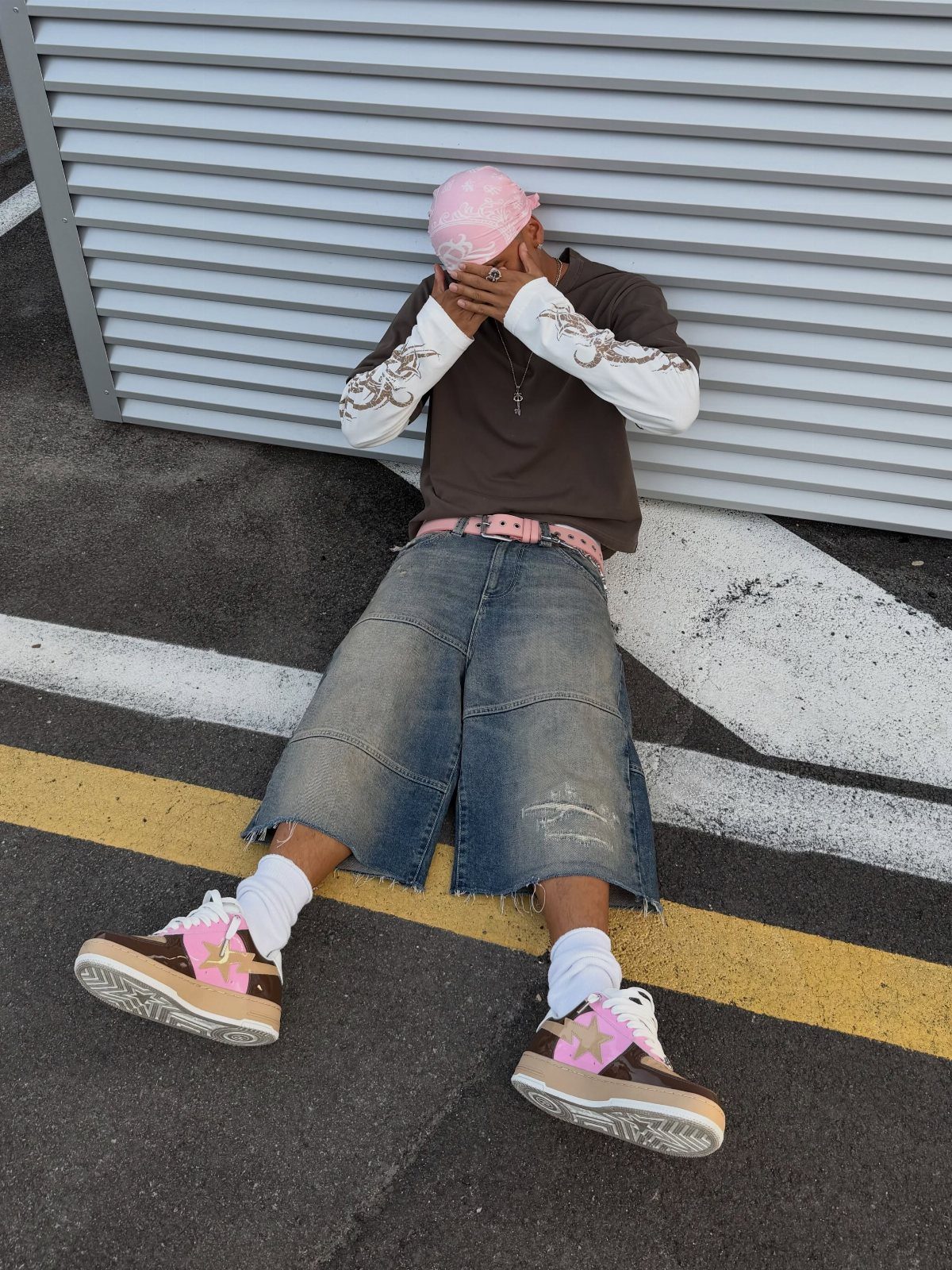
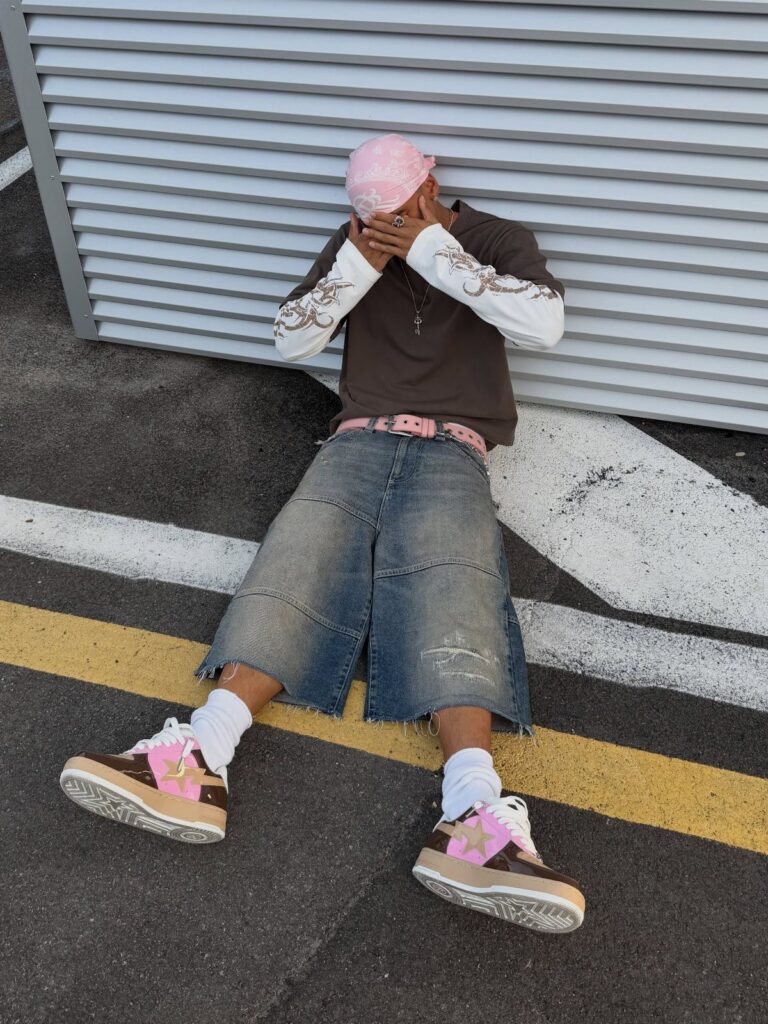
Sneakers this loud need little help, so I would keep the rest of the outfit simple and let the pair do the talking.
Baggy denim jorts and a layered graphic tee already carry plenty of noise, so I would hold the socks to plain white. That one choice lets the sneakers stay the loudest item without the outfit turning into a pile-up.
Pick one color from the shoes and repeat it once elsewhere, like the bandana. 2 echoes is plenty.
3. Layered Polo Shirt with Baggy Jeans
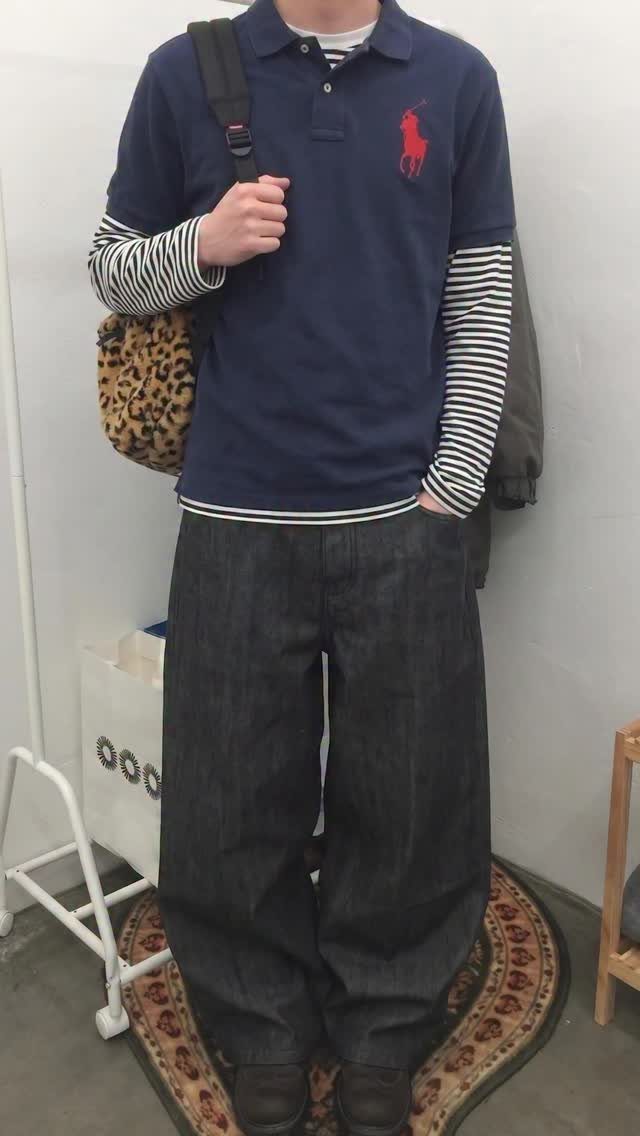
A navy polo over a striped long-sleeve shirt is the easiest layering trick in this list, because both pieces are everyday basics. Wear them with very baggy dark jeans and the stack looks deliberate rather than messy.
I like the polo in a solid dark color so the stripes underneath get the attention. Let the sleeves of the striped shirt peek out past the polo cuffs.
A leopard-print backpack gives the outfit its retro touch without changing anything you wear. One loud print is enough, so let solid colors handle everything else you have on.
4. Oversized Football Jersey with Baggy Pants
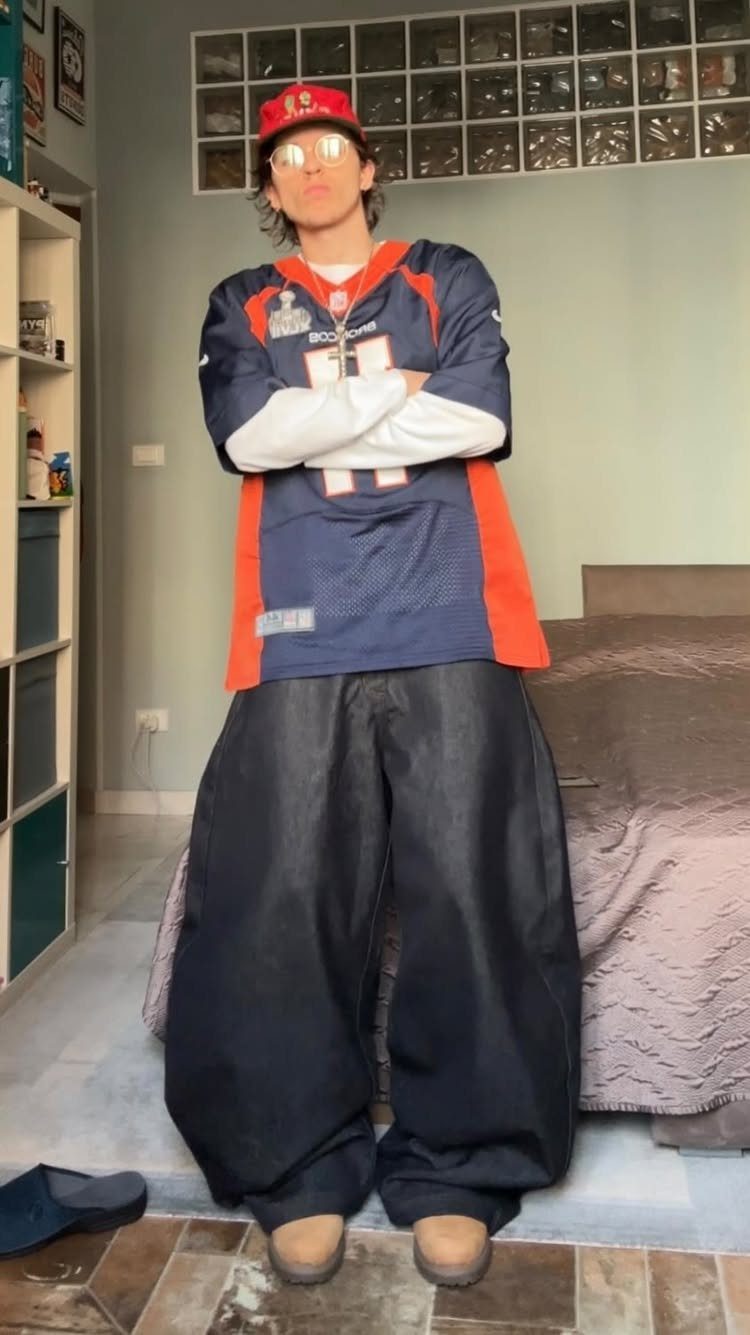
Size up on the jersey, then put a white long-sleeve underneath so the sleeves extend past the short ones. That layered shape is what separates a Y2K look from someone just wearing a team shirt.
Extremely baggy dark jeans balance the bulk on top, and boots keep the hem from swallowing your feet. A red cap and tinted glasses finish it, though I would drop one if the outfit feels crowded.
Choose a cap that picks up a color from the jersey, so the pieces look chosen together.
5. Short-Sleeve Checkered Shirt with Baggy Trousers
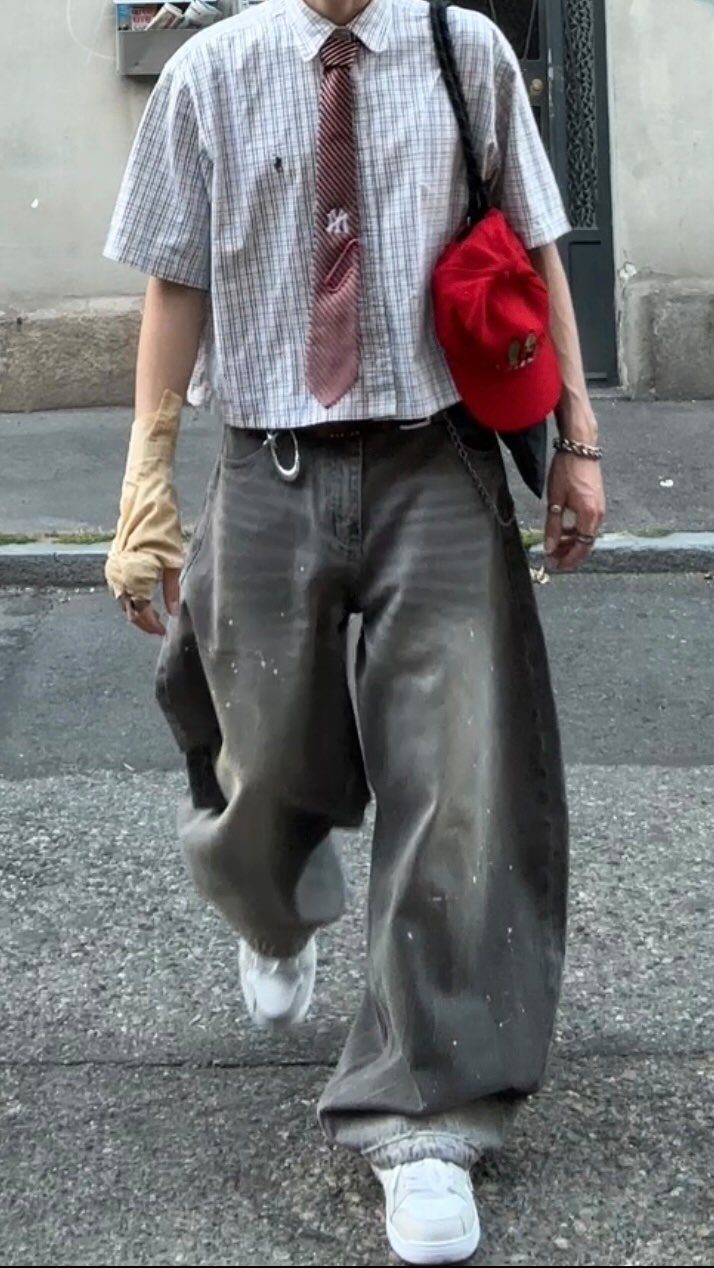
Short-sleeve plaid buttoned up with a red tie sounds odd, and that is exactly why it works. The tie turns an ordinary checkered shirt into a streetwear statement.
Pair it with oversized faded wide-leg trousers and white sneakers. The pale shoes keep the bottom half light, while the shirt and tie carry the color.
Clipping a red cap to your bag is a cheap way to repeat the color of a tie or any other red accent. I would keep the shirt oversized but not so long it hides the trouser waistband.
6. Y2K Accessories and Mesh Details
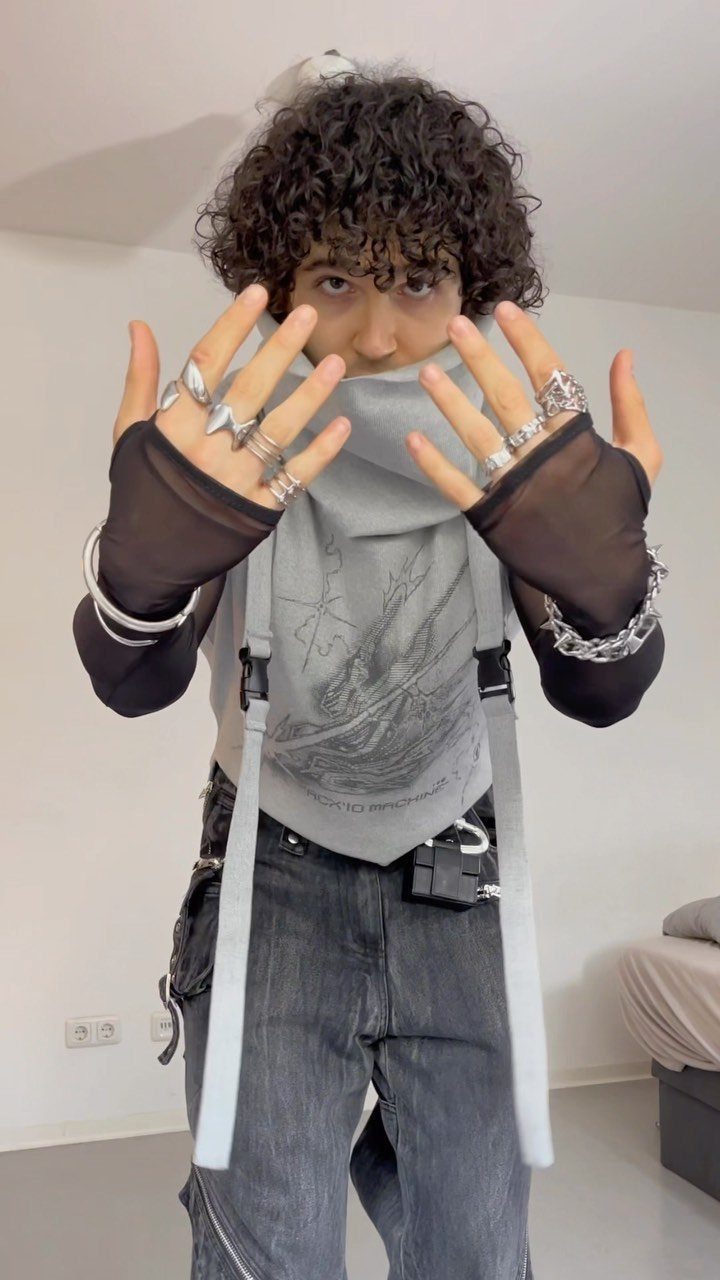
Accessories can rescue a plain outfit. Black mesh sleeves, chunky rings and a vest with draped straps add texture without needing a new pair of jeans.
Start with the mesh sleeves, since they work under a vest or a short-sleeve tee. Then add rings on several fingers; silver keeps them looking like a set.
I would limit this to one strap-heavy piece. Vest straps, sleeves and rings together are already a lot, so keep the jeans and everything else simple.
7. Long-Sleeve Layered Graphic Streetwear

Short sleeves over long sleeves is a two-layer formula that needs almost no shopping.
Wide-leg faded jeans with distressed web details carry the pattern here, so I would keep both tops plain apart from the one graphic. Let the white sleeve run long enough to bunch a little at the wrist.
Pick a tee that hangs well past the waistband of the jeans, and the stack reads as a choice.
8. Utility Jacket Over Hoodie
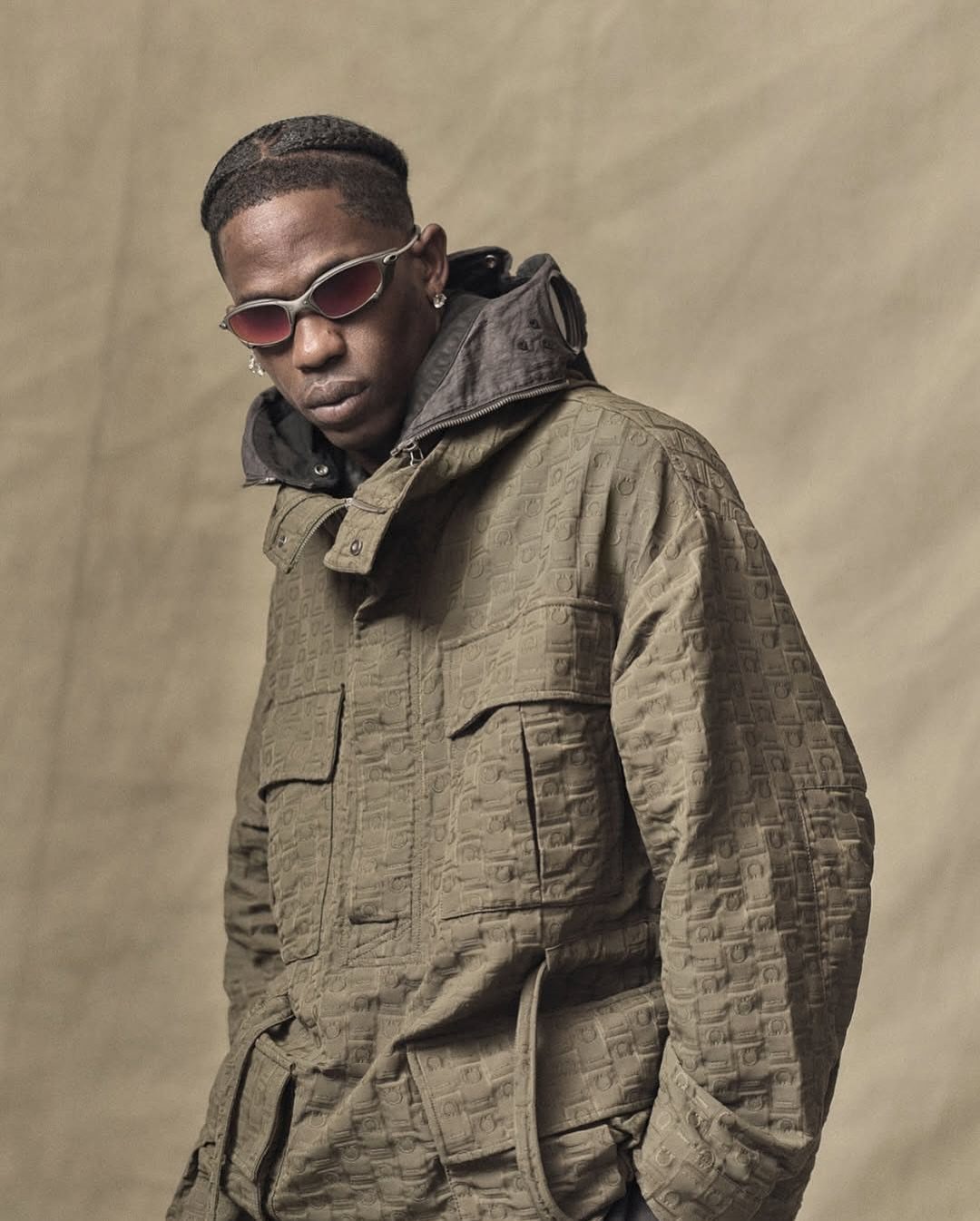
An olive utility jacket worn open over a dark hoodie is a good example of pockets doing the decorating. The jacket gives the shoulders some structure, and the hood underneath stops the look from turning too dressy.
I would stay with a dark hoodie, since it recedes and lets the jacket’s pocket detail show. Wear the hood out over the collar rather than pushed back.
Small tinted sunglasses are the only extra it needs. Keep the pants and shoes simple, because the jacket already has plenty going on.
Why Y2K Is Trending
Y2K takes its name from "year 2000," a computer bug scare that came from systems storing years as two digits.
Part of the appeal is comfort. Oversized shapes, sportswear influences and a relaxed attitude make it easy to wear on a normal day, and the bold graphics give a plain outfit a point of view.
The original era leaned on excess. The current version leans on balance, which is why it works outside a costume party.
How to Style Y2K
Start with one piece you already own, such as baggy jeans or a cargo pant, and build around it. Buying a whole new outfit is the slower and more expensive route.
Balance is what keeps oversized clothes looking intentional.
Y2K lets you stack volume: baggy jeans, wide trousers and an oversized top often show up together, and the look works as long as the proportions feel deliberate. 2 huge pieces at once read as sloppy.
Texture does the work that color can’t. Pair something soft, like fleece or jersey, with something with a hard surface, like nylon or denim, and a simple palette stops looking flat.
Layer in thin pieces first. Heavy layers stacked on each other add bulk without shape.
Frequently Asked Questions
What is Y2K streetwear?
Think of Y2K streetwear as the clothes of roughly 1998 to 2004 worn again: baggy denim, track jackets, chunky sneakers, and accessories like wraparound shades or a trucker hat, all worn with a loose, easy attitude.
The early 2000s piled everything on at once; the current take picks one or two loud pieces and keeps the rest quiet, so the outfit reads as a choice on a regular Tuesday instead of a costume.
Is Y2K still trending?
Yes, it still shapes how people dress, but in a toned-down form. The current version keeps the baggy jeans, graphics and accessories while skipping the excess of the original era, so it fits into everyday outfits.
Why is it called Y2K?
Y2K stands for "year 2000." The name traces back to a computer scare: plenty of older systems stored years as two digits, so the jump to 2000 could have read as 1900.
Years later, people borrowed the tag for the clothes and styling that came out of those last years of the ’90s and the first few of the 2000s.