
A lawyer’s outfit runs from a navy blazer over a cream V-neck on a casual day to a three-piece suit on a courtroom day, and the setting decides which one you put on, not your taste.
Court dates and client meetings call for a well-fit suit in navy or charcoal, a white or light blue shirt, and black cap-toe oxfords; a quieter day at the desk allows a shirt and tie without the jacket, or a business casual blazer over a sweater.
Fit sets the tone whichever look you pick, and the easiest check is at the wrist: about 1/2 inch of shirt cuff should show below the jacket sleeve.
1. Well-Fit Tailoring Suit

Fit decides whether a suit reads as professional or borrowed: the jacket should sit clean across the shoulders, and the sleeves should leave about half an inch of shirt cuff showing.
On a budget, I would spend on alterations before spending on a pricier suit. A mid-range suit adjusted to your body beats an expensive one off the rack.
A three-piece adds formality along with heat and bulk, so I save it for courtroom days and for meetings where the extra layer earns its place.
2. White and Light Blue Shirts
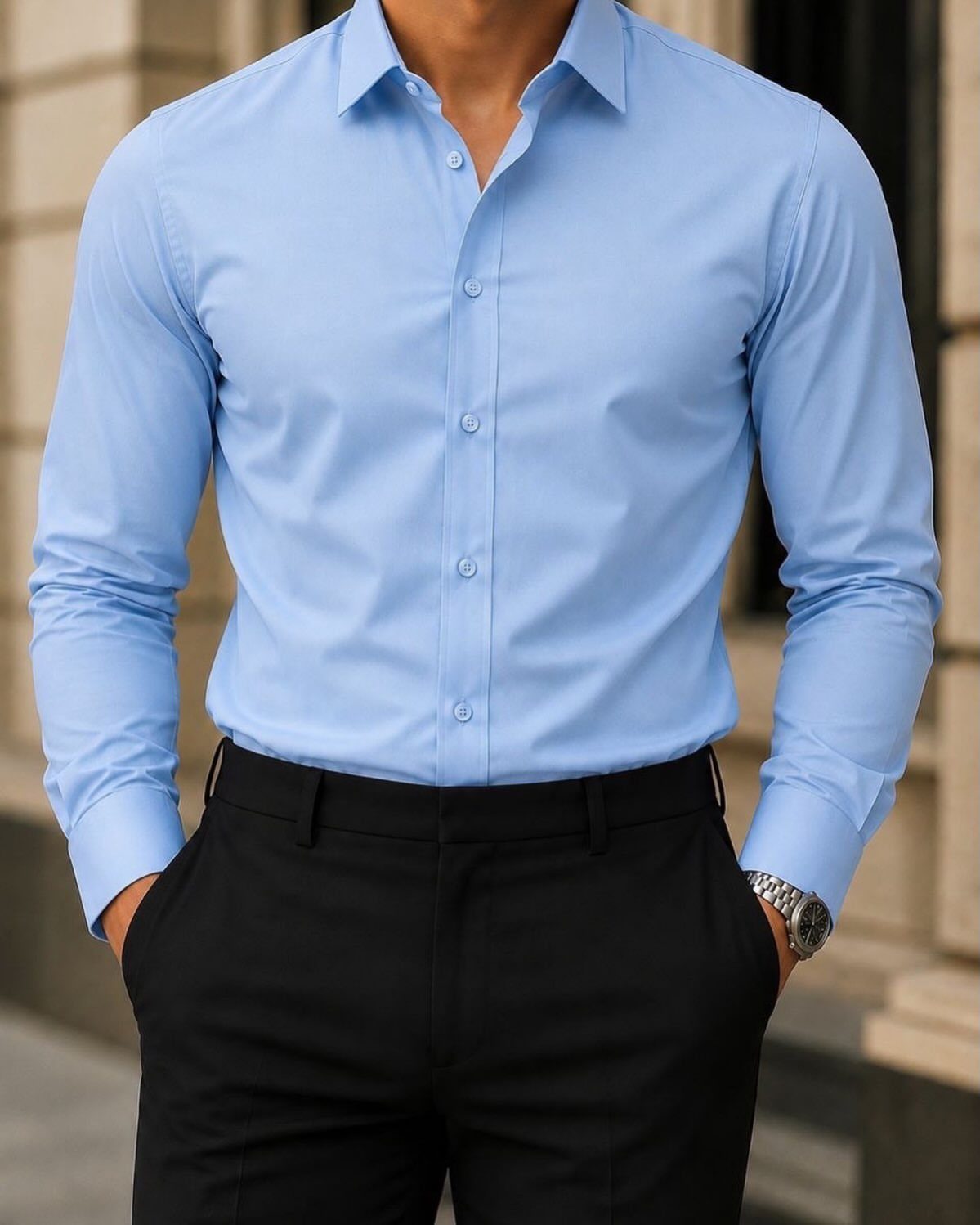
A light blue shirt tucked into dark trousers looks sharp with almost no effort, and white is the other safe call.
For a lawyer on a budget, these 2 colors do the most work per dollar. Buy several of each, and they will pair with nearly any suit or tie in your closet.
I lean toward light blue for everyday office days because it hides a little wear better than white. Keep white for court dates and client meetings where you want the plainest look.
A shirt that fits through the chest and waist matters more than the brand on the tag.
3. Well-Groomed Hair

Hair costs less than anything else here, and people notice it first. Neat, short sides with a style that stays put all day, plus a trimmed beard if you wear one, tells a courtroom you pay attention to detail.
Book a cut every few weeks so the neckline and edges never look grown out. A beard needs the same schedule, with a clean line along the cheeks and neck.
Use a light product, not a heavy gel. Hair should look combed, not shiny.
4. Navy Blue and Charcoal Gray Suits

Navy and charcoal gray are the 2 suit colors I would buy first. Both read as serious, both pair with white and light blue shirts, and both let you change the look just by swapping ties.
Pinstripes, like a double-breasted navy, add some presence, but a plain solid is easier to repeat through a week. With a budget for just one suit, I’d pick solid navy.
Charcoal makes a good second suit, since it looks different enough that nobody tracks how often you wear either.
5. Black Cap-Toe Oxfords
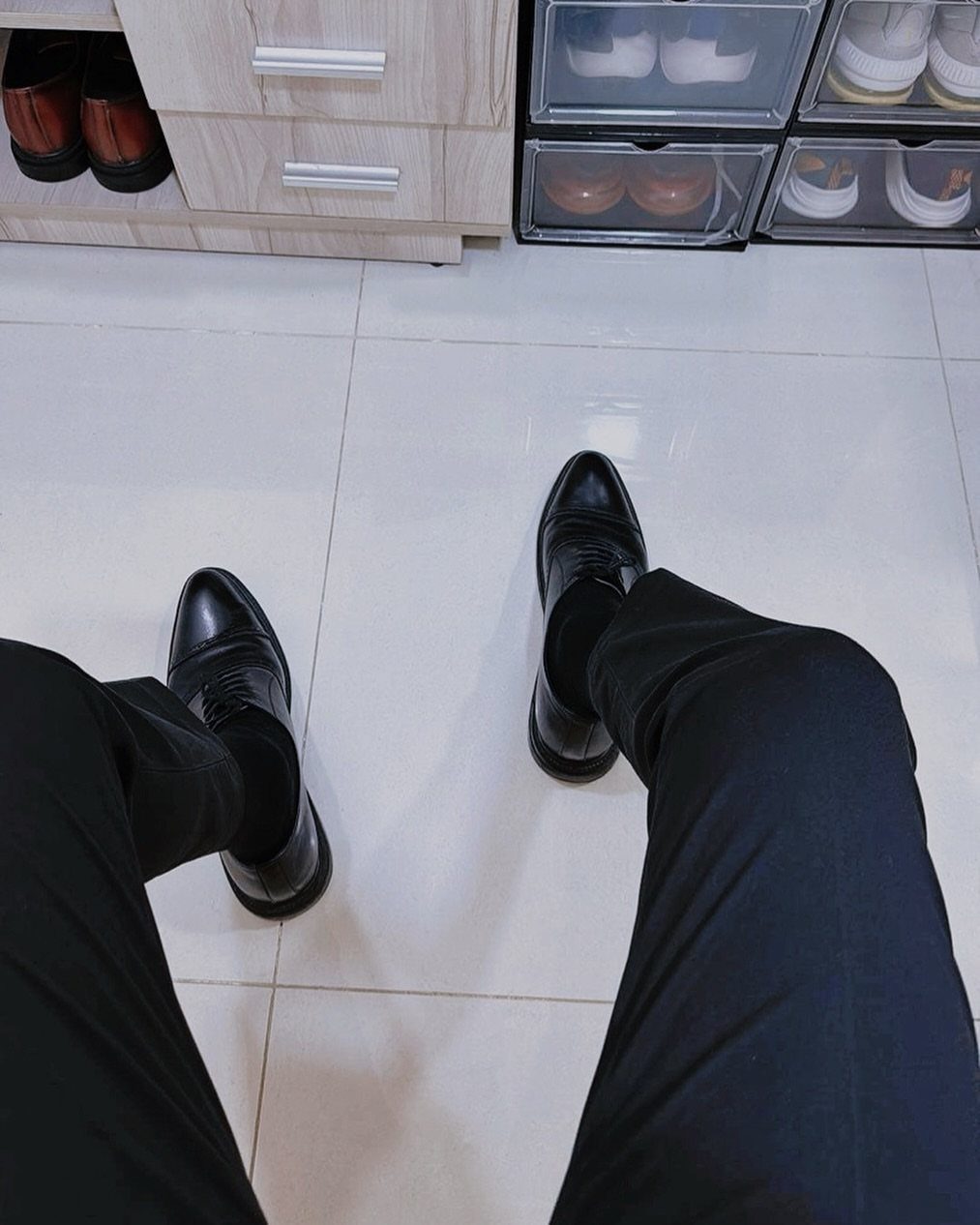
Black cap-toe oxfords are the standard shoe for a suit. The closed lacing and the single horizontal seam across the toe give a clean, formal line that works with black trousers and with navy or charcoal suits.
Keep them polished. A shine does more for the outfit than a new pair that has scuffed toes.
Socks in the same color as your trousers, black here, keep the line from hem to shoe unbroken. One good pair, resoled when worn, will outlast several cheap ones.
6. Shirt and Tie Without Jacket

Losing the jacket doesn’t mean losing the polish. A light blue dress shirt, a tie with a clip, and dark tailored trousers is the right outfit for days at the desk without court or client meetings.
The tie clip keeps the tie from swinging into files or coffee, and I like it for that reason alone. A black tie looks sharp against light blue; keep it narrow enough to look current.
Sleeves should stay buttoned or rolled evenly. Keep the jacket on a hanger nearby in case someone calls you in.
7. Scale of Justice Lapel Pin

A small silver scales-of-justice pin is the one accessory that tells people what you do without a word.
Keep it to one pin. Placing it on the left lapel, near the buttonhole, keeps it where people expect to see it.
It costs little, and it dresses up a suit that’s already hanging in your closet. Skip it on days when you wear only a shirt and tie, since there is no lapel to hold it.
8. Business Casual Blazer and Sweater
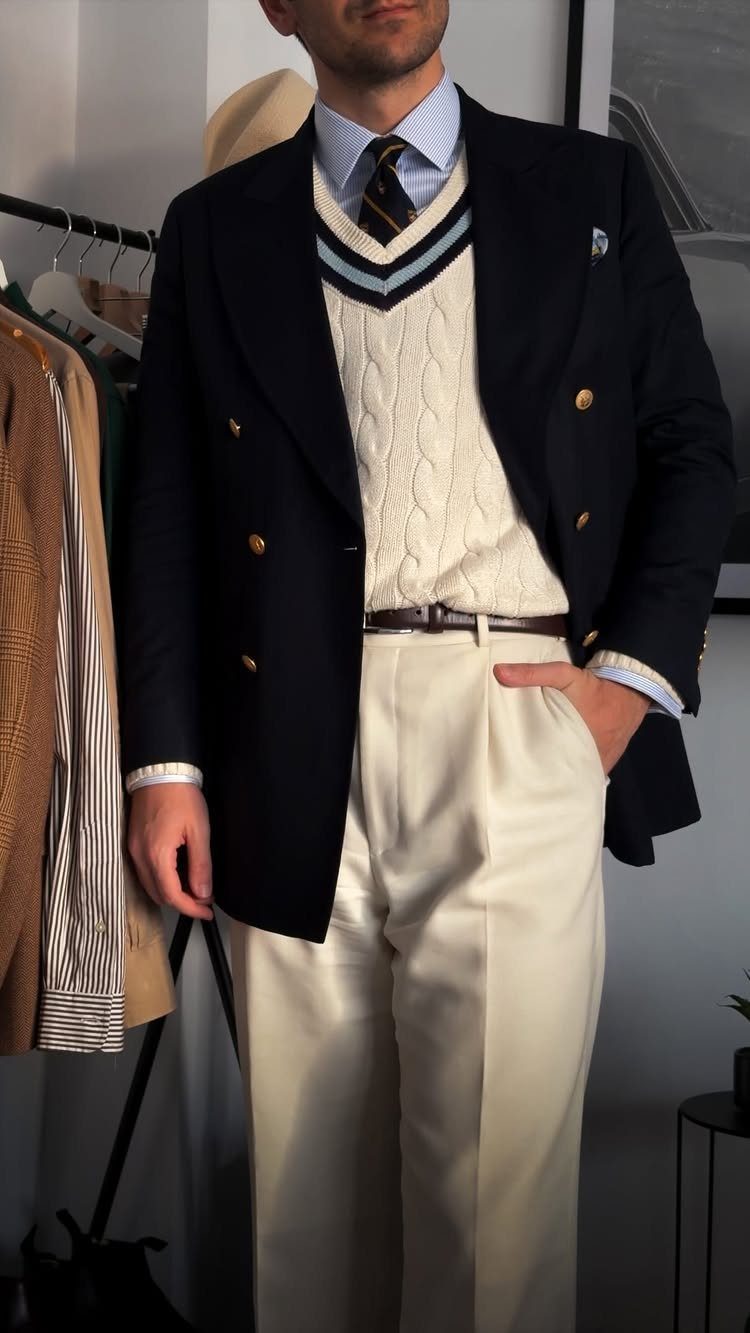
A navy blazer over a cream V-neck sweater, with a collared shirt underneath, is how I would handle a casual day at the firm.
Light trousers in cream or stone keep the outfit soft, and a brown leather belt ties it together.
On a budget, this works because the blazer and sweater are separate pieces. You can wear the blazer with gray trousers on another day, and the sweater alone under a different jacket.
The shirt collar should lie flat over the sweater neckline, and a tie is worth adding if a client might stop by. Save it for days without court; a suit still wins there.
Maintaining Clothing
Clean clothes matter more than new ones. Dog hair, latte stains, baby spit-up and stale odors undo a good suit faster than a dated cut does.
A suit or shirt you’re unsure about after one wear should go to the cleaner, because doubt usually means it’s already past clean.
A suit that wears out a little early from frequent cleaning is a better problem than one that looks grubby.
A lint roller before the clothes go back in the closet clears the day’s hair and dirt. Spot-cleaning at home handles small stains well.
Grooming follows the same rule. Trim any hair you don’t want growing on the back of your neck, in your ears and nose, and stray eyebrows.
Sunlight in a car’s rearview mirror is harsher than bathroom lighting, so a quick look there will catch stray stubble, smudges and missed spots before you walk into court.
Keep jewelry minimal.
A nice watch is essential and a wedding ring is optional. Add much more and you start to look like a recording artist instead of an attorney.
Frequently Asked Questions
What kind of suits do lawyers wear?
Start with navy or charcoal gray; those two cover almost every courtroom. Either one reads as serious and sits well with a white or light blue shirt, and a different tie is enough to change the mood.
Solid navy wins if you can afford only one suit, since a plain solid hides repeat wear far better than a pinstripe does.
What not to wear to a courthouse?
Skip shorts, t-shirts, athletic shoes, baggy pants, hats, beach wear and anything that could read as a costume.
Flashy jewelry belongs at home too, since courtrooms notice anything that pulls attention. Keep jewelry to a watch and maybe a wedding ring; anything more starts to pull attention away from you and your argument.