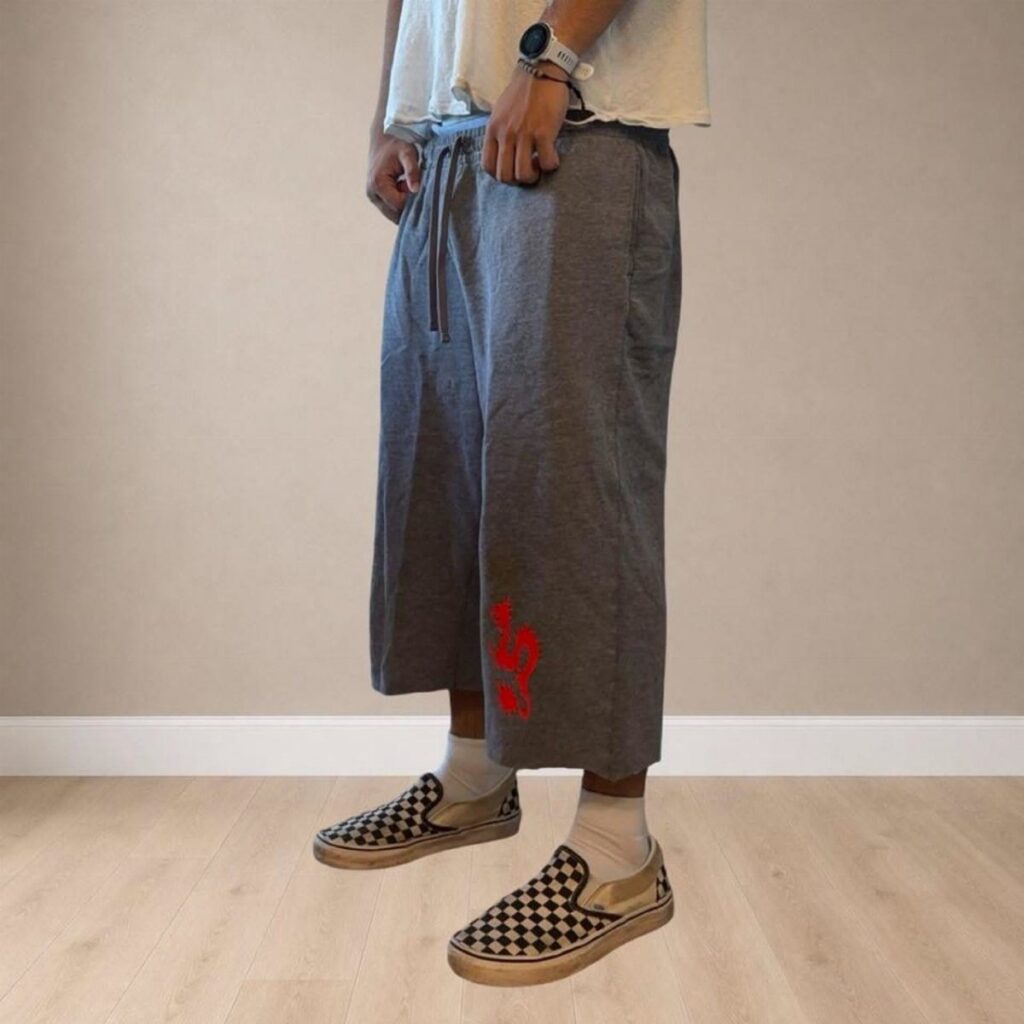
Some of these fixes cost nothing: skipping black near your face is free, and the tailoring that sorts out oversized clothes and baggy capri pants runs only a few dollars per piece.
Your body and your life change, so a new build, routine or job can make last year’s clothes wrong even when they once fit well; that is why an evolving personal style beats any fixed rule.
1. Oversized Clothes

Oversized pieces work best when one of them is the statement and the rest stays simple. A big grey overcoat over wide white trousers shows the idea: lots of fabric on top and below, calm colors, nothing fighting for attention.
Keep the shoes and bag plain so the volume looks chosen rather than accidental. I like a neutral palette here because it makes the shapes do the talking.
If everything is baggy at once, the outfit can swallow you. Keep the colors calm and let the roominess run top and bottom, the way a big grey overcoat over wide white trousers does, so nothing fights for attention.
2. Black Near Your Face
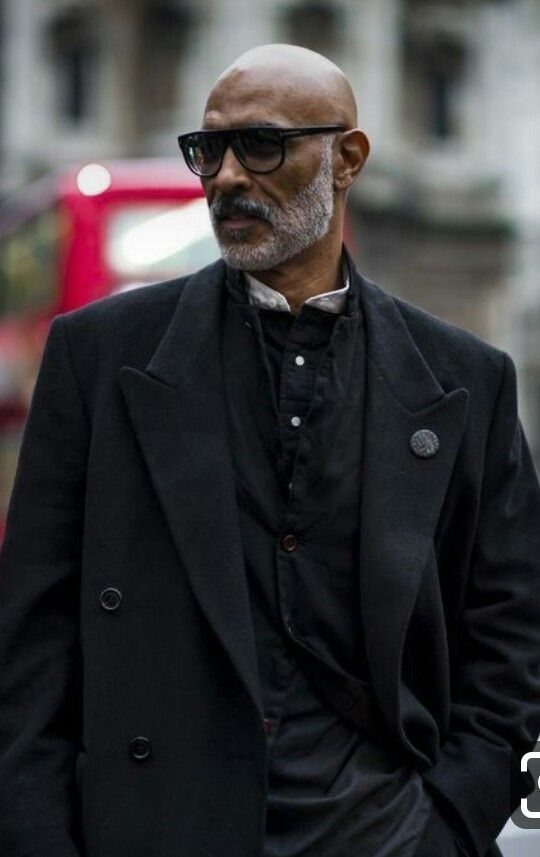
Black beside the face is the piece of old advice I would retire first.
It is often called slimming and safe for any occasion, but skin tends to get paler with age, and a black collar or top can wash out your complexion and make you look tired.
Move black down to trousers, skirts or shoes, and put a softer color nearest your face. Navy, grey or cream all work as alternatives.
If you love black on top, add a scarf or necklace in a warmer shade to break it up.
3. Baggy Capri Pants
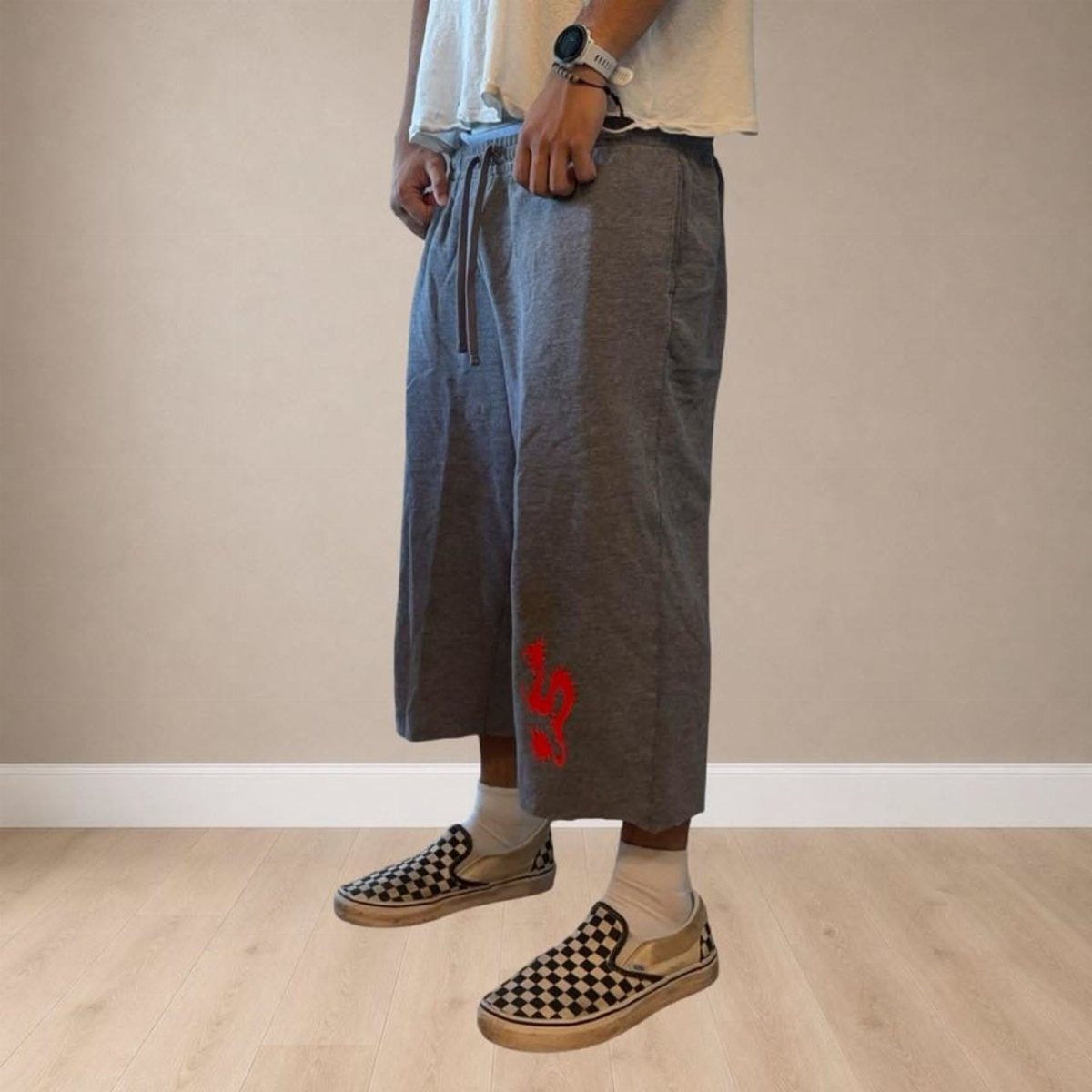
Baggy capri pants are one of those pieces that often flatter no one.
The cut stops at the widest part of the calf and adds bulk right where the leg should look longest; add a shapeless tee on top and the outfit has no shape left anywhere.
If you want a cropped leg, I would choose a slimmer cut that ends at the ankle.
Low sandals with chunky horizontal straps cut the leg in a similar way, so a slip-on with a lower-cut front is a better pick.
4. Classic Timeless Style
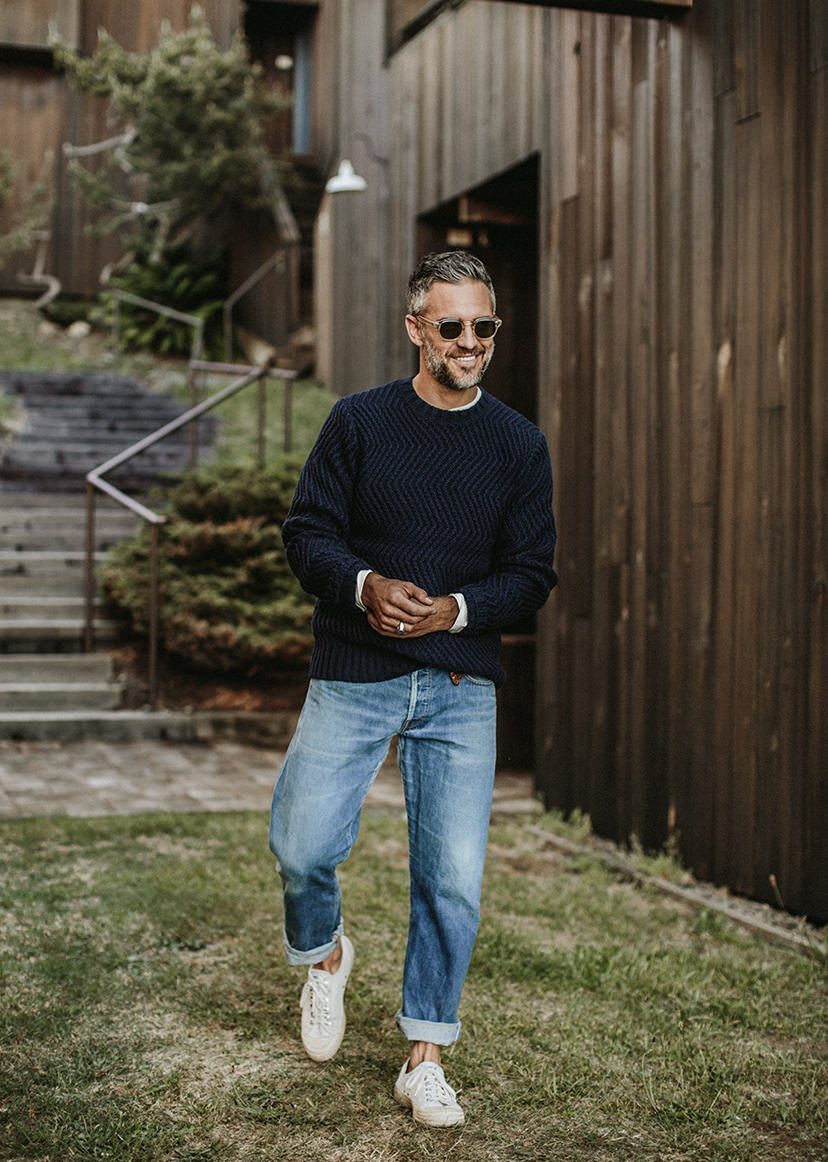
Nothing here belongs to a single trend, so it looks as fresh at 50 as it would at 30.
Build from a handful of basics in colors that suit you, and choose good fit over novelty. Cuffed jeans and sunglasses add ease without effort.
I would pick this approach over chasing trends, since it keeps working through every phase of life.
Confidence in Style Choices
How you carry yourself, from your stride to your tone of voice, changes how people see the clothes, so I treat confidence as one more piece of the outfit.
A jacket you keep adjusting looks worse than a basic crew-neck T-shirt you never think about.
Wear what makes you feel capable, whether that’s a blazer or something loose and easy. Confidence has no single look, so pick your own.
A small habit that works: before you get dressed, say one kind thing to yourself, about how you look or about who you are.
If your default has been a graphic tee and jeans for years, try a silk shirt with linen pants. Dressing a little more polished can change how you see yourself, and that shows in how you carry the day.
Evolving Personal Style
A man never ages out of good style, but the clothes do need a refresh now and then. Go through your closet at least every 3–5 years, and again after a change in your body, your routine or your job.
A new job, a different build or a changed routine each makes some clothes wrong for you, even if they were right last year. Pull out what no longer fits your life and replace it with pieces that do.
Your look doesn’t have to be only classic, but I’d keep classic as one thread in it. That thread carries you into each new phase and keeps the rest looking modern.
Expect your taste to change as you do. That is normal, and you can stay sharp the whole way.
As you get older, it’s all about buying fewer clothes, but focusing on quality over cheap and cheerful designs and fabrics.
Importance of Fit
Tailoring is what makes an outfit look polished, at any age. It makes clothes fit your body as it is now, and bodies change over time.
Good fit rarely costs much. Start with the small fixes: hem your pants, shorten your sleeves, or take in the waist just enough that the garment looks made for you.
A few small alterations are what separate an outfit that’s merely okay from one that looks sharp.
Check the fabric label before you buy, and ask yourself whether the piece will hold up over time. Clothes that fit and hold up beat disposable ones, and you’ll wear them more often.
A good rule is to put a tailor’s cost into any piece you plan to wear for years.
Frequently Asked Questions
How to look older than you are?
Baggy, shapeless clothes and black worn near the face do it fastest. Paler skin with age means a black collar right under the chin can drain your face and leave you looking worn out.
Outdated heel heights and colors that fight your skin tone add to it, so a closer fit and a softer shade by your face are the quick fixes.
How to dress more age appropriate?
Dress for the body and life you have now, not for a rule.
A tailor can adjust clothes to the body you have now, so keep a short list of classic pieces in colors that flatter you and clear out the rest of the closet every 3–5 years.
A balance of your own style, comfort and fit works better than copying what people your age are supposed to wear.
How to dress well after 60?
Fit comes before novelty, so start with a few classic basics in colors that flatter you. Classic pieces stay current through every phase of life, so they carry you into each new decade.
What color clothing makes you look older?
A head-to-toe black outfit does the most damage, and so does any shade that fights your skin tone. Black works best below the belt, on trousers and shoes, while navy, gray or cream belongs near your face.
How do I dress stylishly without following every trend?
Buy well-fitting classics and add only one or two current pieces each season.
Fit matters more than novelty, and classic basics keep working while trends pass. Keeping classic as one thread in your look also stops the rest from feeling dated.