Where you’ll wear the outfit picks the style for you, since an Athletic Style look that works for errands falls flat at a dinner, and a Classic Formal Suit that suits an interview looks wrong on a patio where Summer Resort Casual belongs.
The list runs from athletic joggers and thrifted tees to a tailored suit with a thin-striped tie, and the effort stays low throughout: three colors at most, and 1 or 2 standout pieces. Pick the setting first, then the style.
1. Smart Casual Style
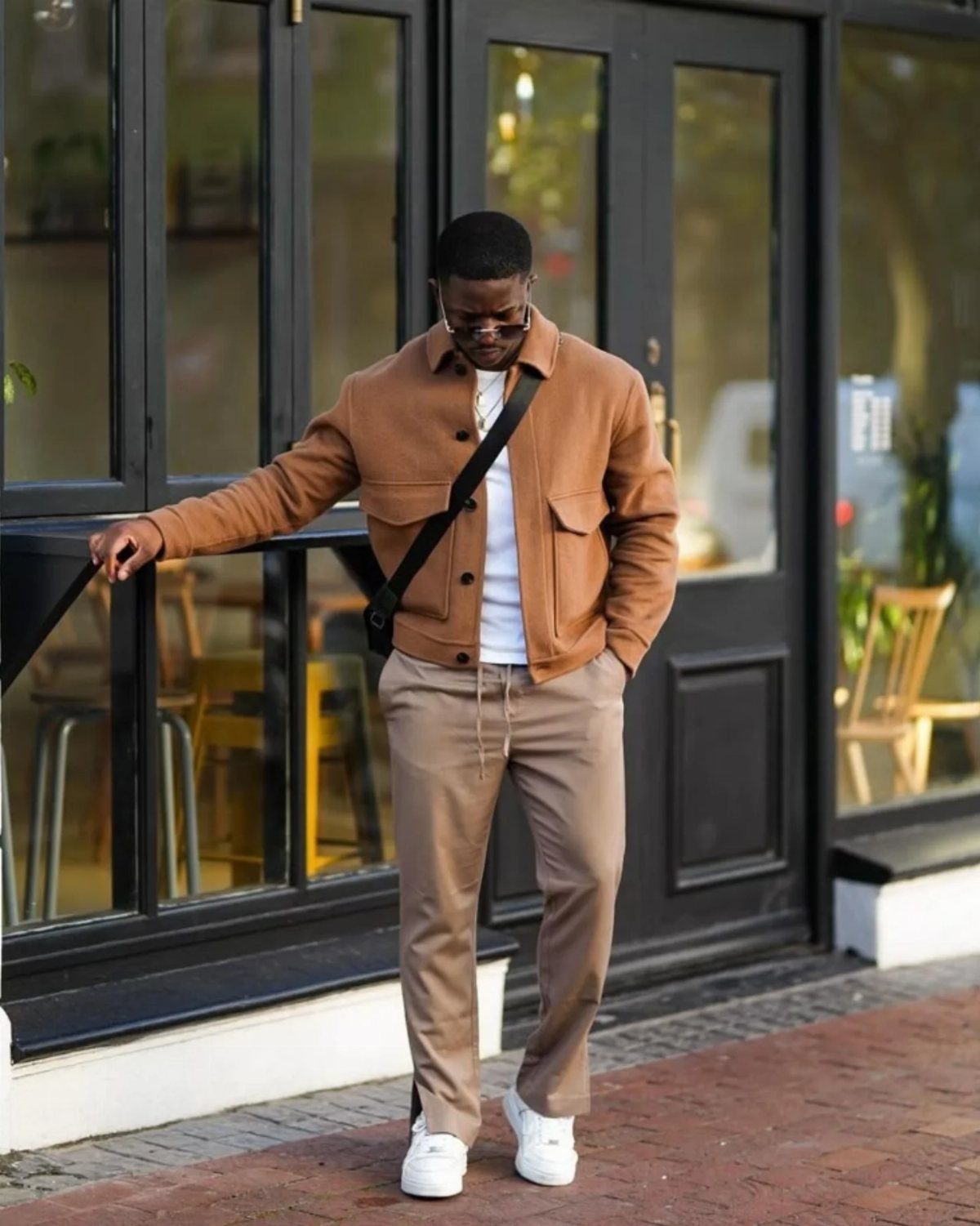
A brown wool jacket over a plain white tee is the easiest way into smart casual, because the jacket does the dressing up and everything else stays relaxed.
Drawstring trousers in tan keep it comfortable, and clean white sneakers finish the look without trying too hard.
3 colors at most is my limit for an outfit like this. Fewer colors means fewer ways to get it wrong on a rushed morning.
The weak spot is the tee. A collar that is wrinkled or stretched drags everything else down with it, so pick one that is crisp.
2. Streetwear Style
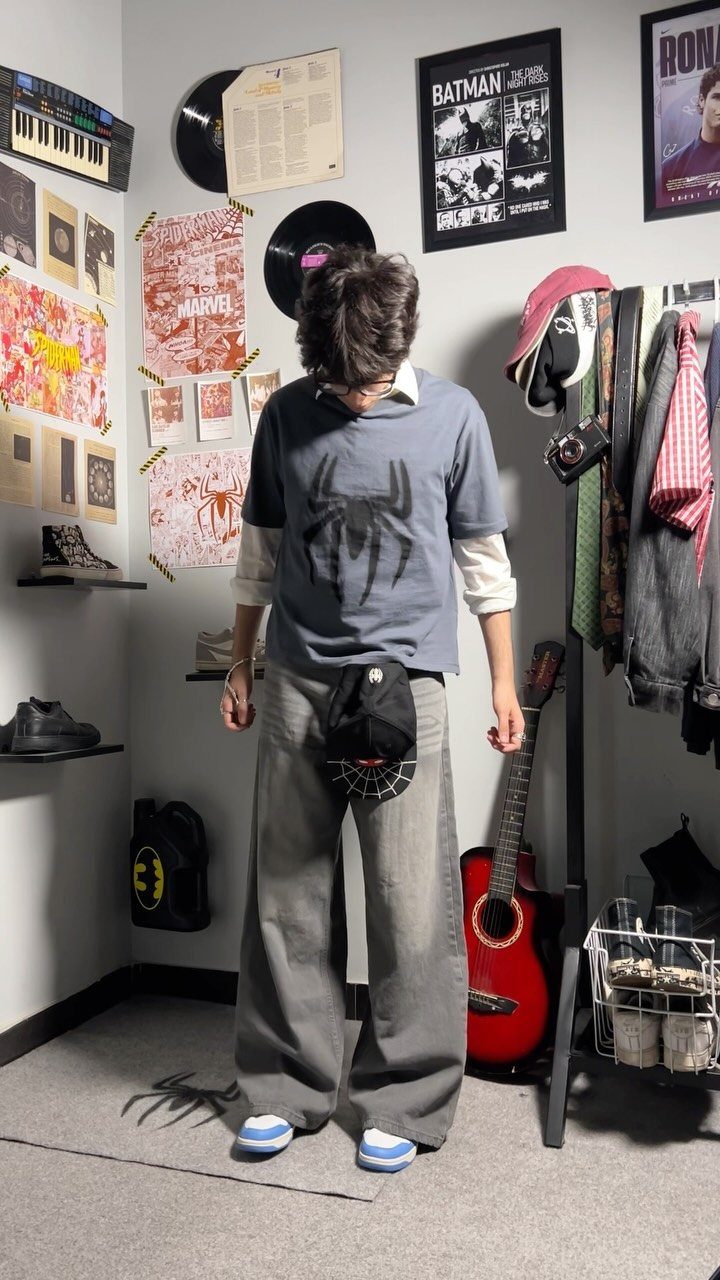
Baggy grey pants, a graphic tee, and a collared shirt underneath: streetwear runs on proportion more than on any single brand.
Wide legs need something to balance them, and a tee layered over a shirt gives the top half enough volume to match.
Start with the trousers, since they set the shape. Then add one loud piece, like a graphic tee, and keep the rest quiet.
Sneakers should have some bulk so they do not disappear under the hem. Layering costs little, and it makes a thrifted tee look planned.
3. Preppy Style
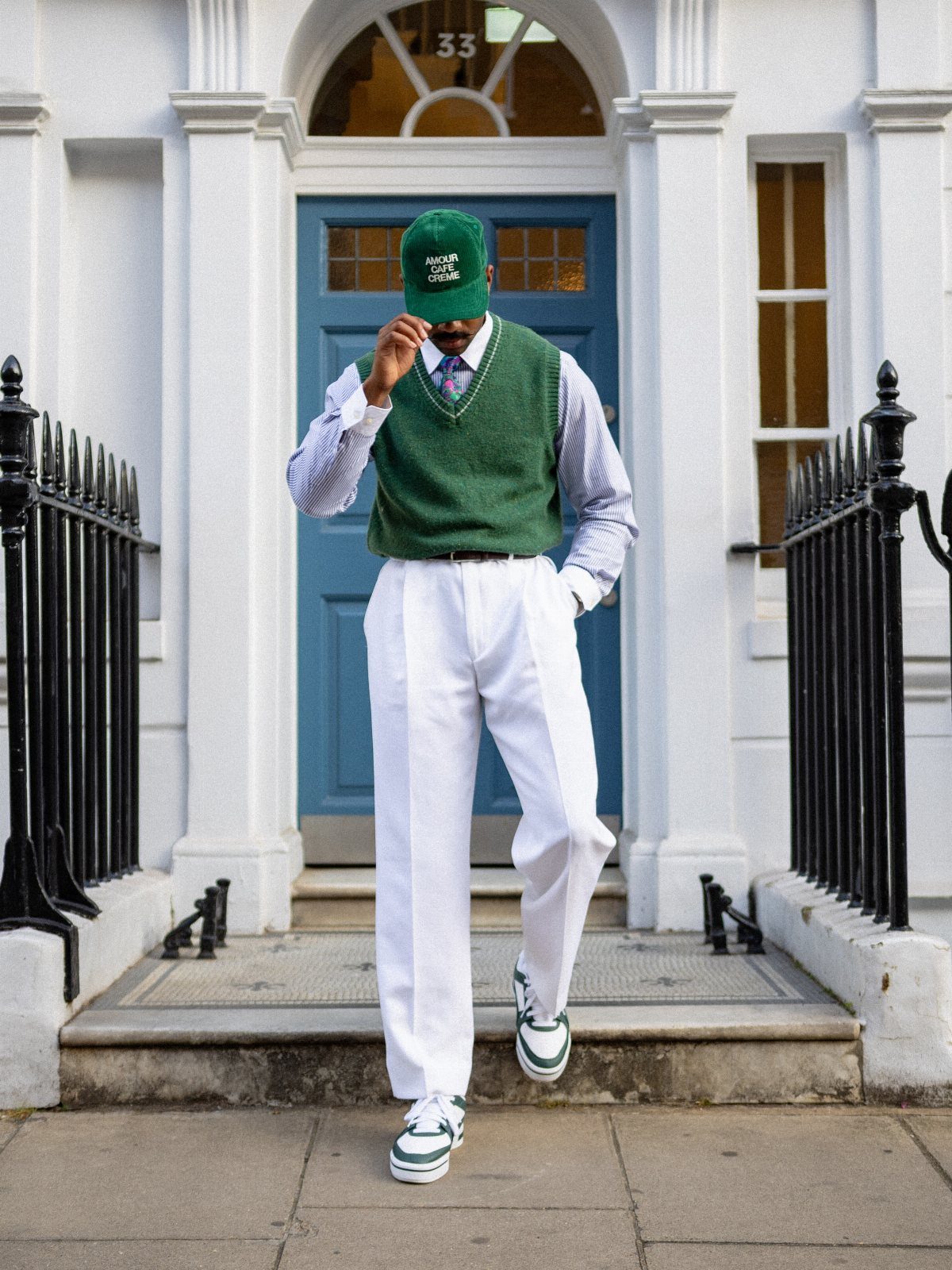
Sweater vests belong to the Ivy League playbook, and a green one over a striped shirt and tie shows why it still works.
A fully traditional version would swap in loafers, but this one is easier to wear on an ordinary weekday.
Keep the stripes narrow and the vest a solid color. If the shirt and tie both carry pattern, one of them should be quiet.
4. Athletic Style
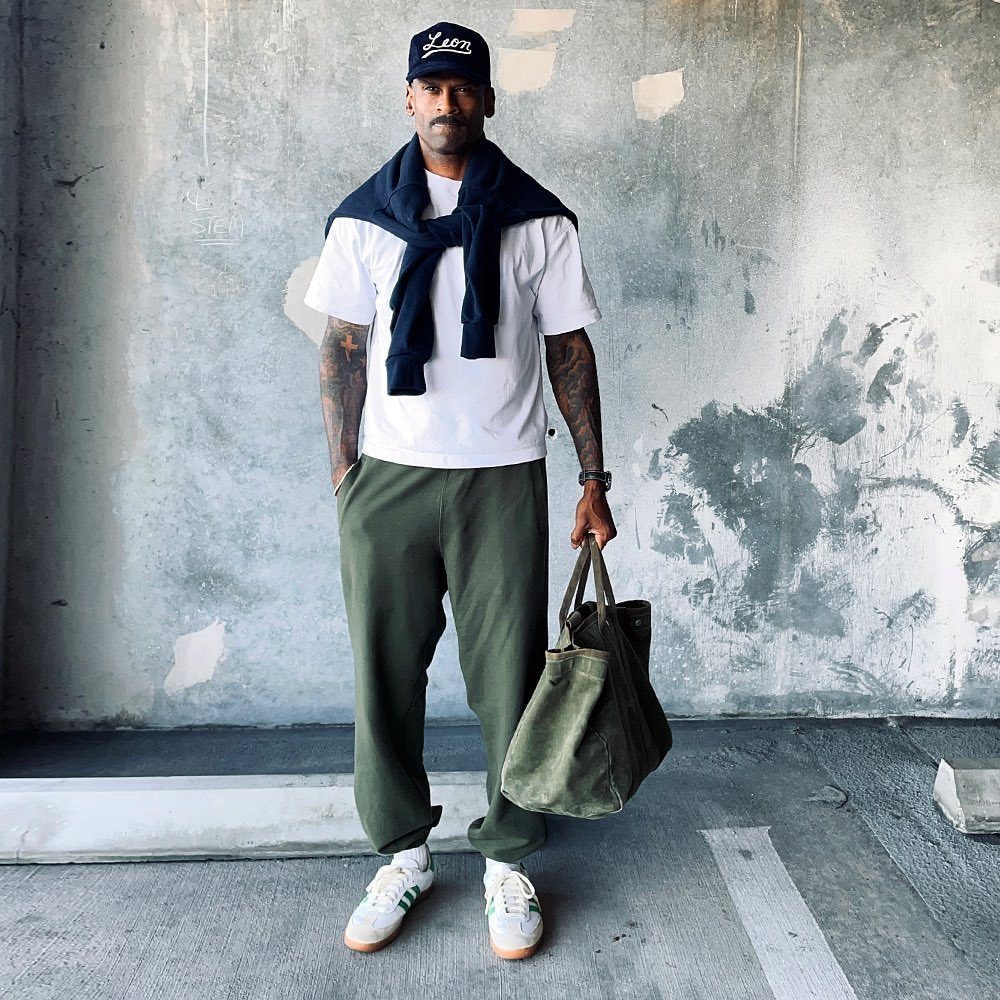
Olive sweatpants, a white tee, and clean sneakers can pass as an outfit instead of gym leftovers if everything is in good shape. Athletic style is performance pieces worn outside the gym, and fit is what separates the two.
Choose joggers that taper at the ankle, not baggy sweats that pool over your shoes. A sweatshirt tied over the shoulders, as here, adds a layer without bulk when the day warms up.
Add a cap and a tote, and it works for errands or a coffee run. I would not wear it to a dinner.
5. Vintage Style
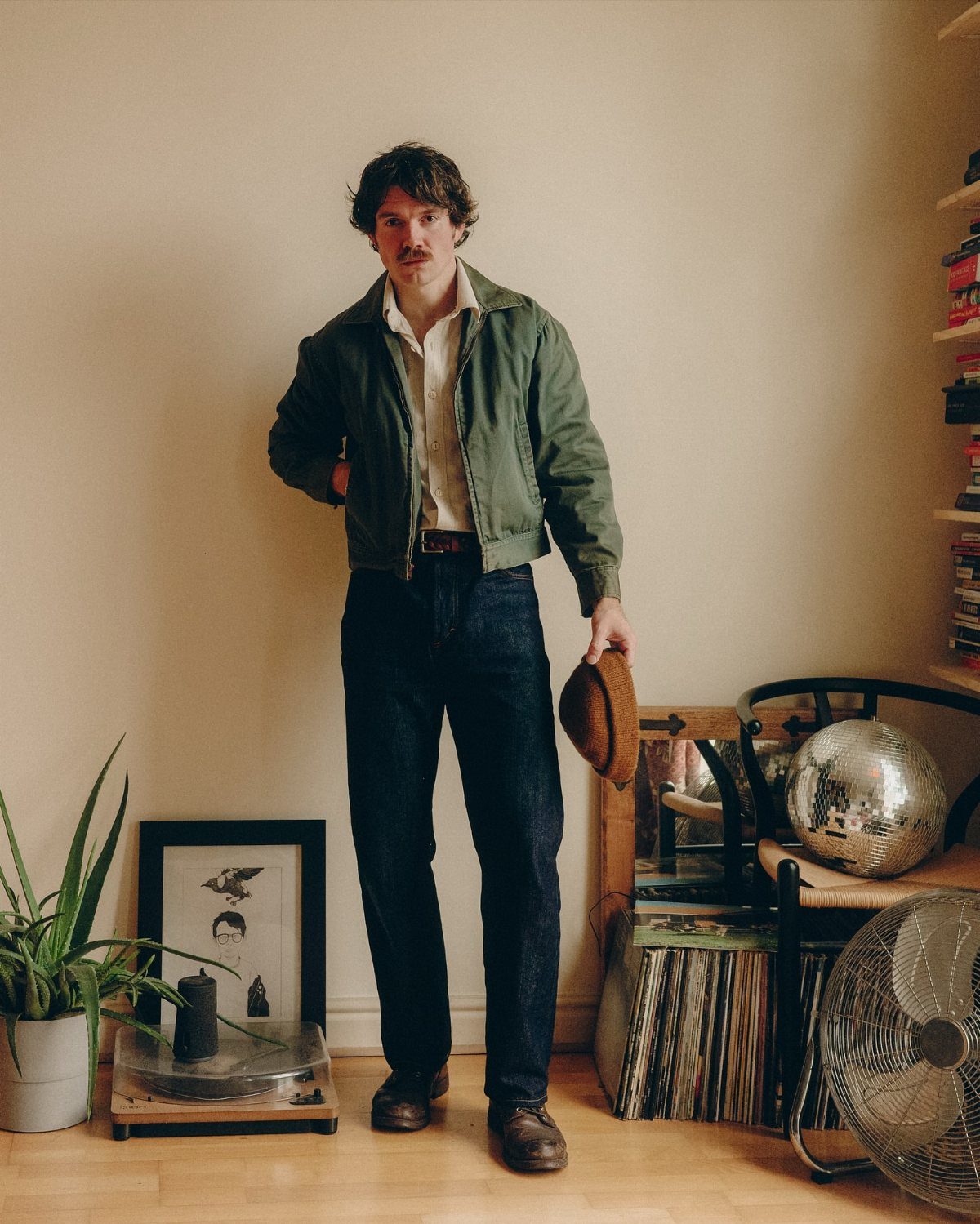
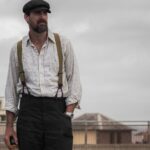
High-waisted dark jeans with leather boots are the backbone of a retro look, and a cropped green jacket gives it a clear shape. The waistline matters most, since it lengthens the legs and tucks the shirt in cleanly.
Vintage style works best when only 1 or 2 pieces are truly retro. Buy the jacket secondhand and stick to modern pieces for the rest, so it reads as an outfit, not a costume.
A mustache and a hat are optional extras. Thrift shops are the cheapest place to find the jacket.
6. Edgy Leather Jacket Look
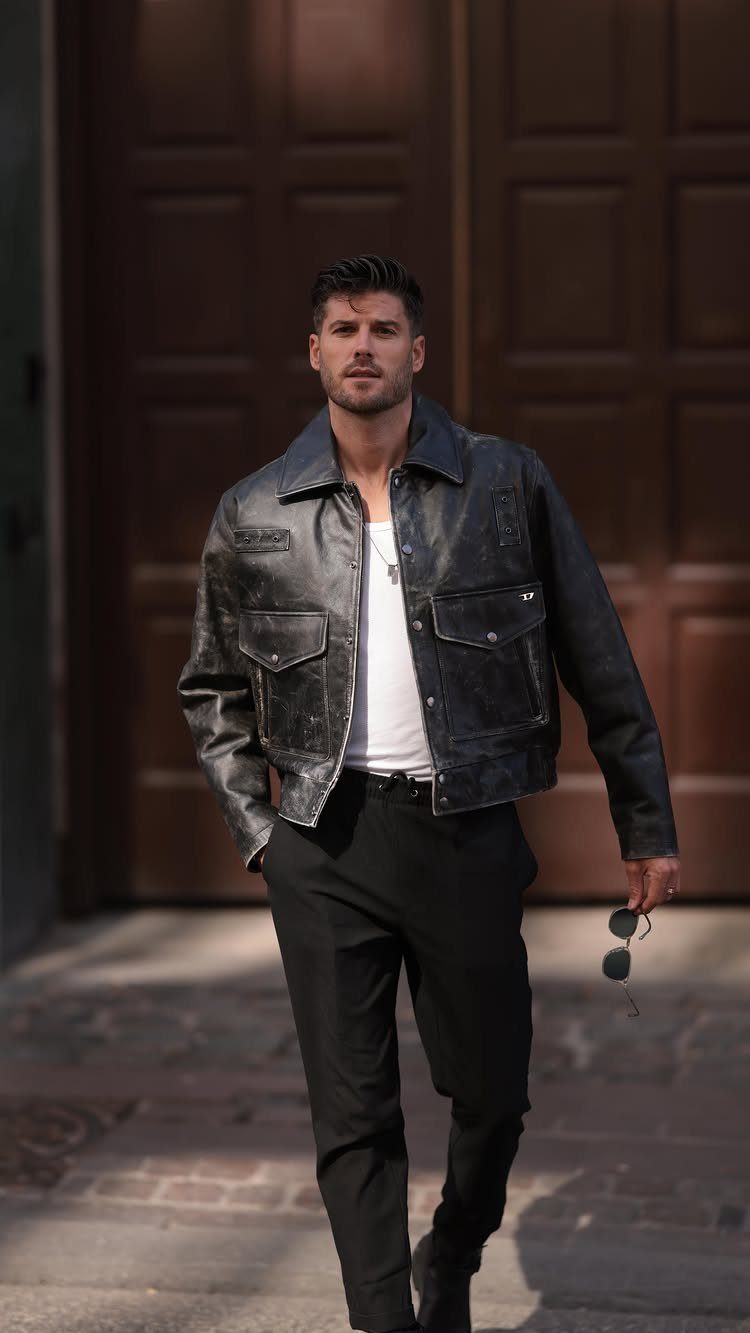
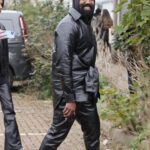
A distressed black leather jacket does most of the work in this look, so everything under it can stay simple.
A white tank top with tailored black trousers keeps the lines sharp, and the contrast between worn leather and clean tailoring is what makes it edgy.
I would buy the jacket first and spend the most on it. Leather that is already broken in looks better than stiff new leather.
The tank is a warm-weather choice. In cold weather, swap in a plain tee.
7. Monochrome Minimalist Style
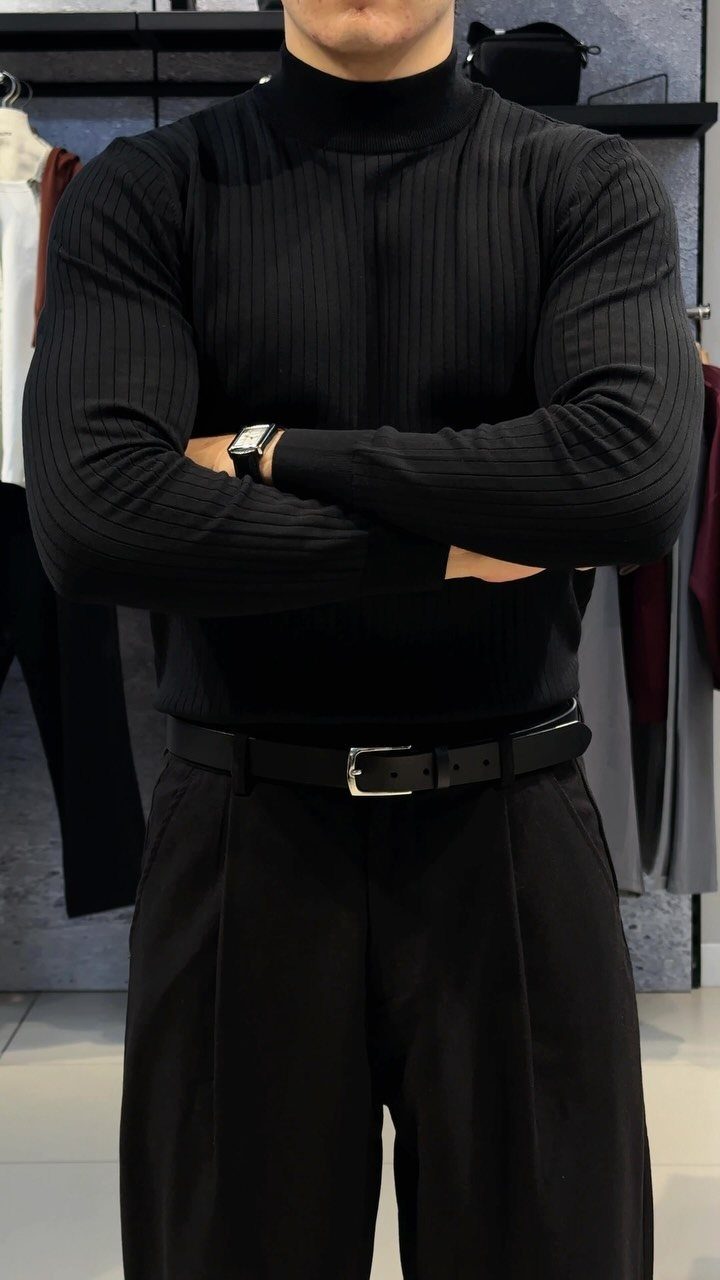
Black on black works because the texture does the talking. A ribbed turtleneck tucked into matching trousers and held by a leather belt gives you a long, unbroken line with nothing to argue about.
Keep the blacks close in tone. A faded sweater next to deep black trousers looks like a mistake, not a choice.
The tuck and the belt matter here, since they mark the waist. Fit the sweater snug through the torso and skip anything baggy.
8. Summer Resort Casual
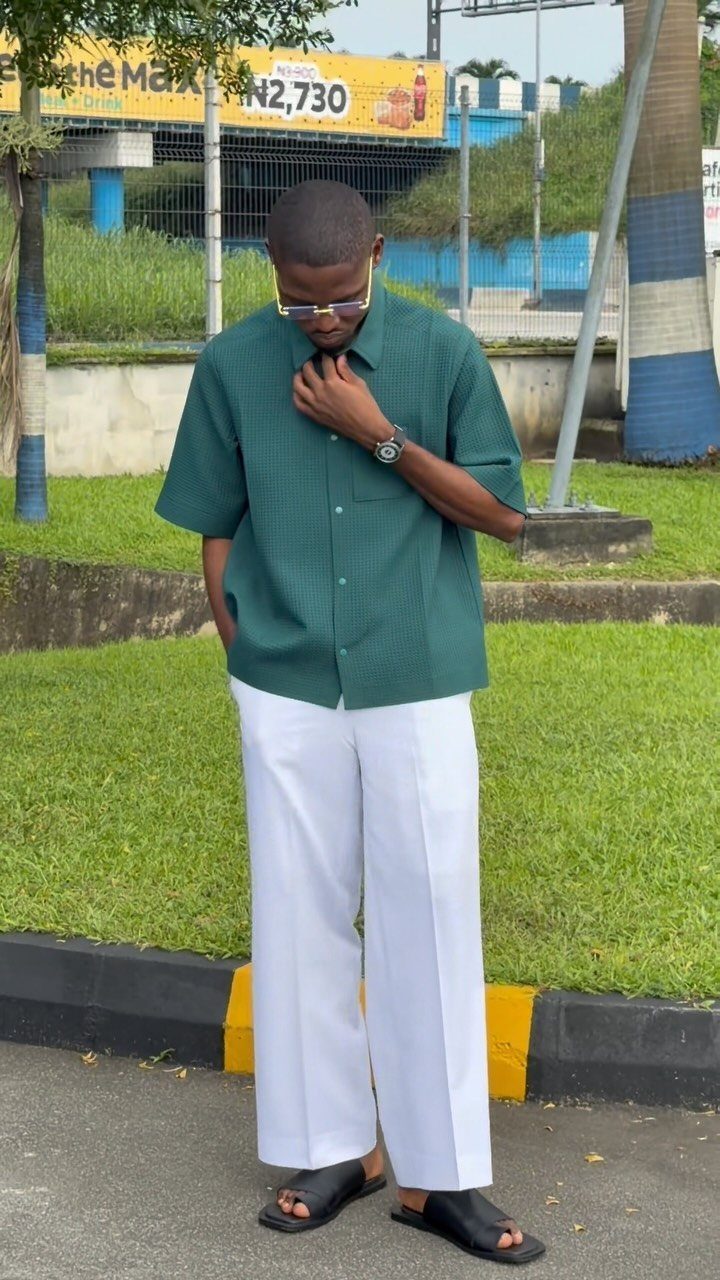
Wide-leg white trousers and a short-sleeve shirt in a deep green make a warm-weather outfit that needs almost no thought. The relaxed legs keep air moving, and the dark top stops all that white from looking washed out.
Slides finish it for a beach town or a patio. Black ones keep the shoes quiet, so that’s the color I’d go with.
White shows everything, so check the fabric before buying. If you can see your pockets through it, keep looking.
9. Monochromatic Utility Style
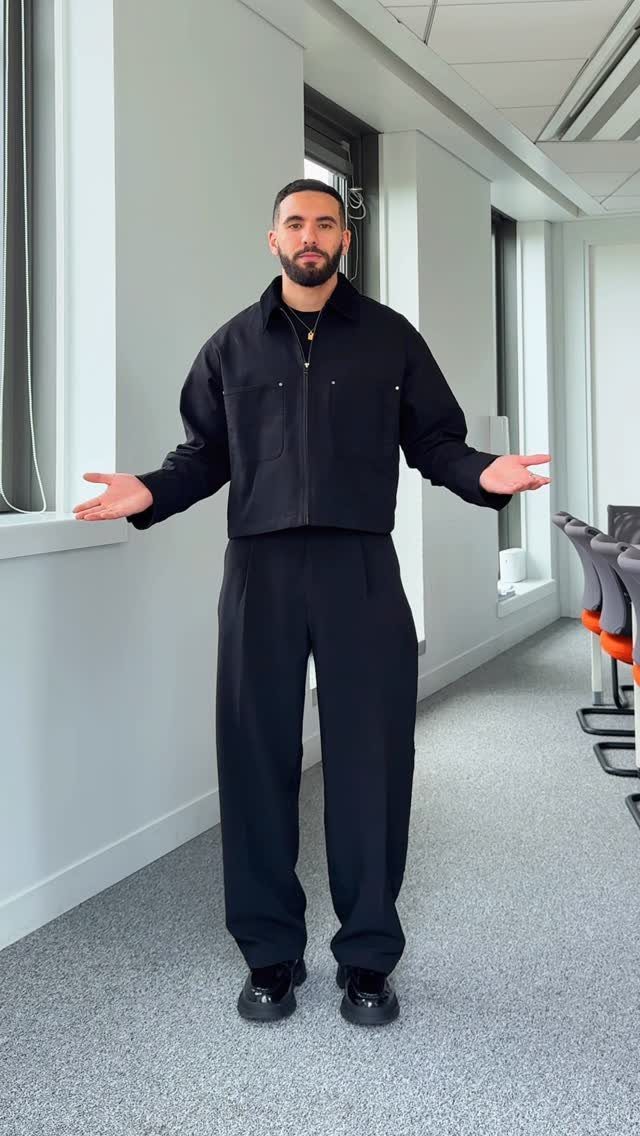
A cropped black jacket with wide-leg black trousers is utility dressing with the volume turned down. Because the color never changes, the pockets and zip become the detail, and the outfit reads as a single shape.
Balance matters more than anything else. A short jacket over wide legs works, but a boxy jacket with baggy pants just swallows you.
Black dress shoes keep it office-friendly. Chunky soles suit the width of the trousers, and the hem should land right on the shoe.
10. Classic Formal Suit Style
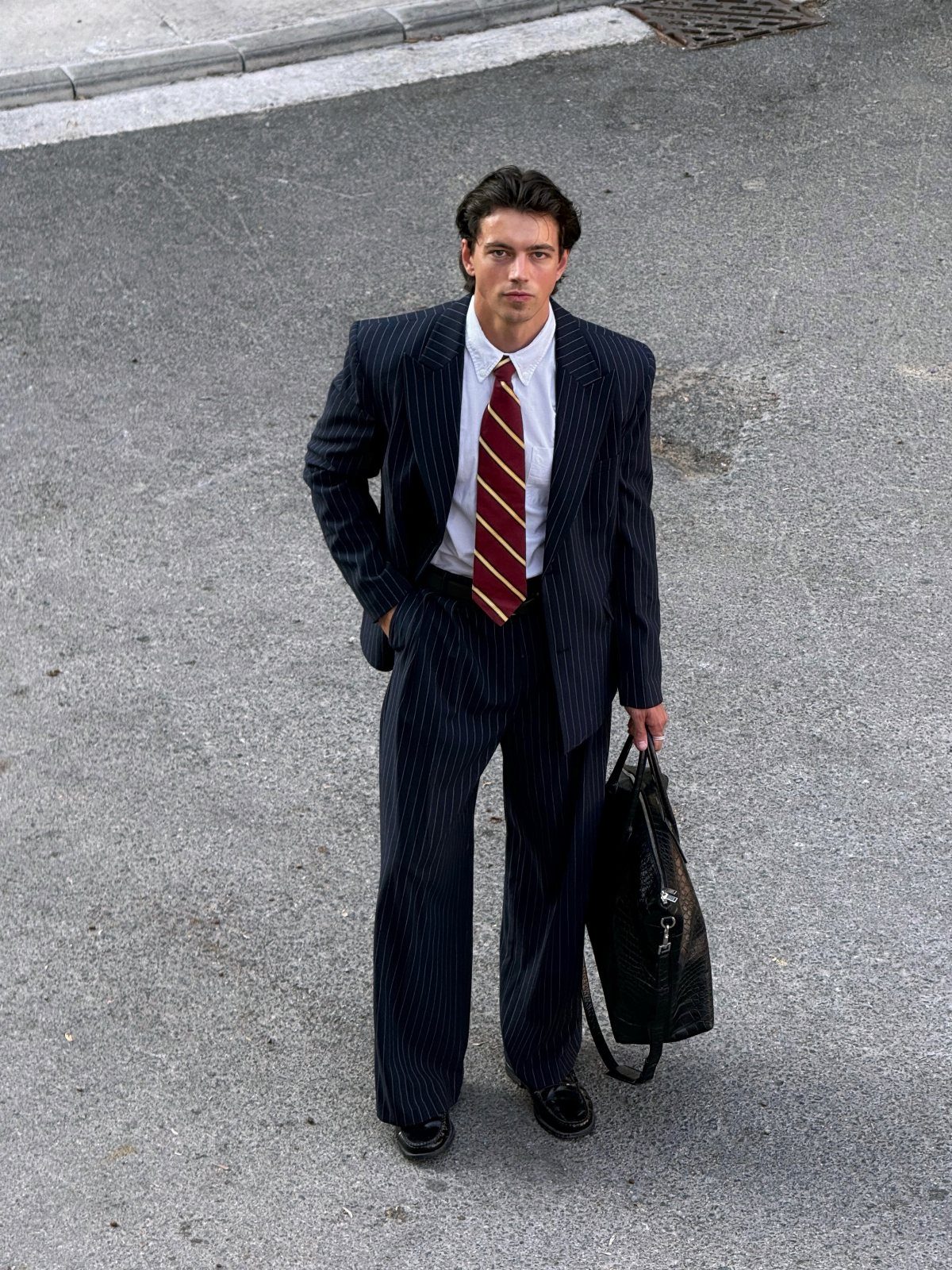
Pinstripes are the loudest thing a navy suit can carry, so I keep everything else plain: a crisp white shirt and one striped tie. If the tie stripes run thinner than the suit’s, they will not fight.
Fit decides whether a suit looks sharp or borrowed. Shoulder seams should sit at the edge of your shoulders, and sleeves should show a bit of shirt cuff.
An oversized cut is a style choice, but a tailored one is the safer pick for interviews and weddings. Sleeve length and hem height are easy, inexpensive alterations at any decent tailor.
11. Casual Button-Down and Jeans
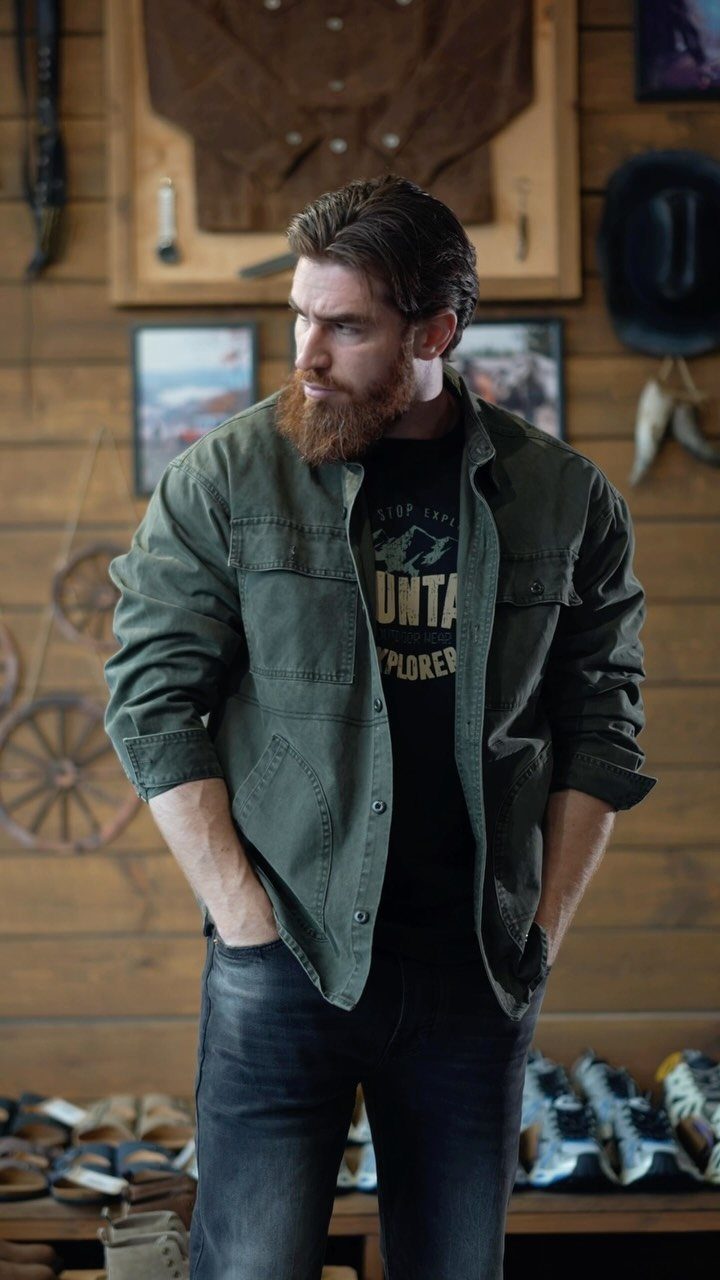
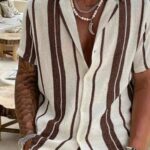
An open button-down worn as a light jacket over a graphic tee is the easiest way to make jeans look finished. The shirt adds a second layer, and the tee keeps things casual.
Olive pairs well with dark denim and black, so the colors stay easy. Let the shirt hang loose and untucked, with sleeves rolled once or twice.
Choose a plain shirt when the tee has a bold graphic. 2 busy pieces compete, and the outfit starts to look cluttered.
12. Minimalist Knitwear Look
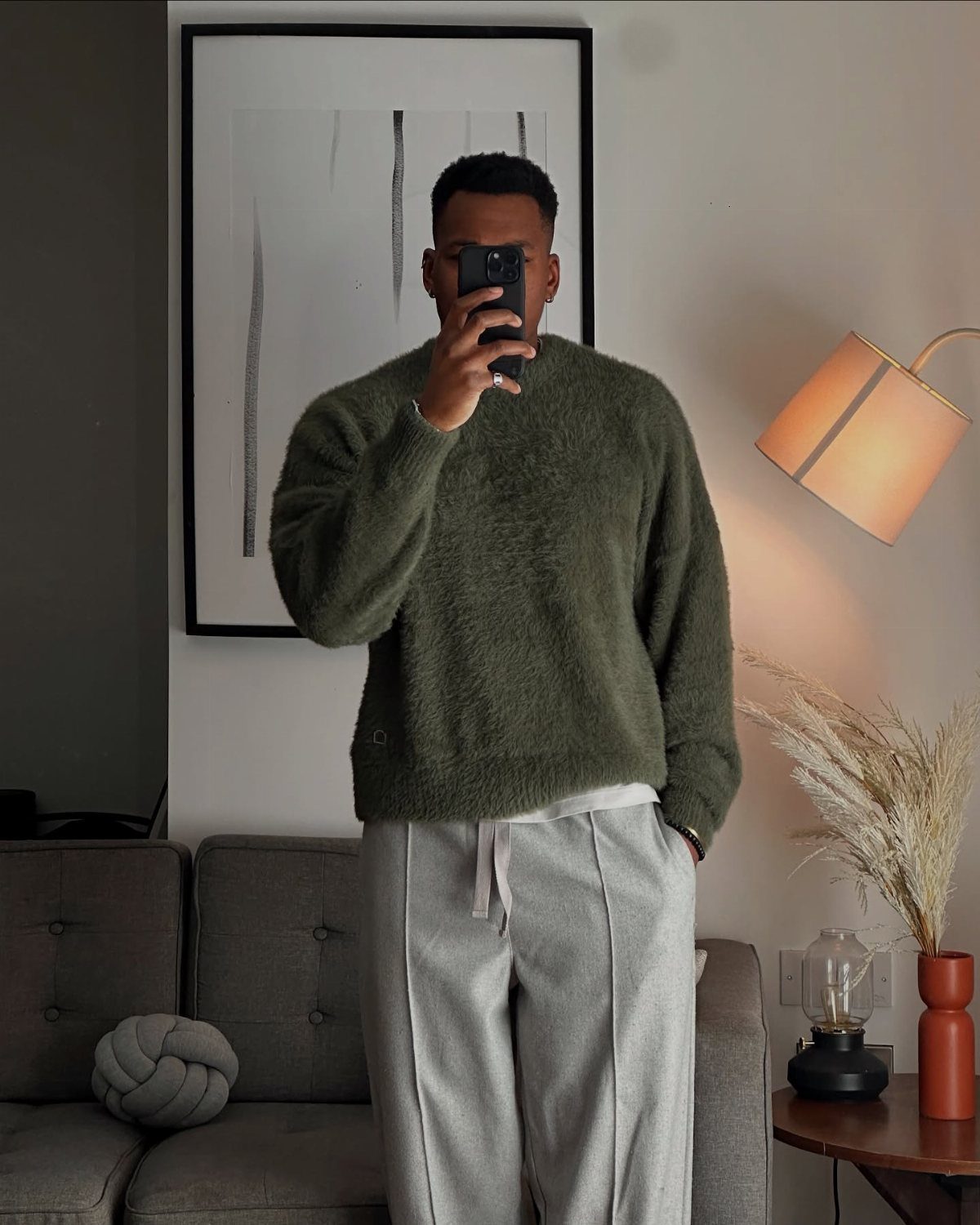
A textured olive crewneck over relaxed grey trousers is a quiet outfit where the fabric supplies the interest. Fuzzy knit catches light in a way a flat cotton tee never will, so color can stay muted.
Pair it with wide-leg trousers, since a roomy bottom balances the bulk of the sweater. Stick to 2 colors, like olive and grey here.
Pintucks add a little structure to otherwise soft trousers. I would wear this for a lazy weekend or a casual dinner with friends.
Frequently Asked Questions
What is the male fashion trend?
Right now it is a blend of classic pieces and streetwear.
Baggy, wide-leg pants paired with a layered top are a good example of the streetwear side, and a tee worn under an open shirt or a sweater vest over a striped shirt show the classic side.
Men’s style moved toward casual wear in the 1990s and 2000s, and streetwear has since merged with luxury fashion.
How to find your personal style?
Start with what you already feel best in, and notice which outfits get you compliments.
Try on a few different styles in a fitting room, ask someone whose eye you trust for a straight opinion, and borrow from a dresser or label you already admire; starting from a proven look beats building one from nothing.
Once you find a look that works, buy more of it in colors that suit you rather than ten different pants from ten brands.
How to style clothes for guys?
Build each outfit around one piece that does the work and keep the rest simple. Take a brown wool jacket, a white tee, tan trousers and white sneakers: that is 3 colors, and I treat that as the ceiling.
Fit matters more than the label, so choose pants that taper or sit at the right length, and add only one loud item at a time.
What is the 3-3-3 rule for men?
I can’t confirm a standard 3-3-3 rule for men’s clothing.
The closest guideline I use is limiting an outfit to 3 colors at most, which makes it harder to get wrong on a rushed morning. Keep the pieces few, and let one of them carry the look.