Most 70s inspired fashion comes down to one loud piece, whether that’s a silky shirt with an oversized collar, a faux fur statement coat, or a layered shag haircut, and the ideas here run from a simple haircut change to a full coat-and-bell-bottoms outfit.
Your own wardrobe decides which one fits: if your closet is mostly plain tees, dark trousers and clean sneakers, pick a single vintage item and keep everything around it modern and neutral.
If you already own bell-bottoms or denim, build on those.
1. Bell-Bottoms

Flare starts at the knee and widens to the hem, which makes the leg look longer and pushes the look toward casual.
Keep everything above the waist simple, the way a plain ringer tee does here. A belt with a visible buckle breaks up the denim, and boots or chunky shoes let the hem hang over the top of the foot.
Hem length matters more than almost any other detail. The cuff should skim the ground at the back without dragging.
2. Denim Everything
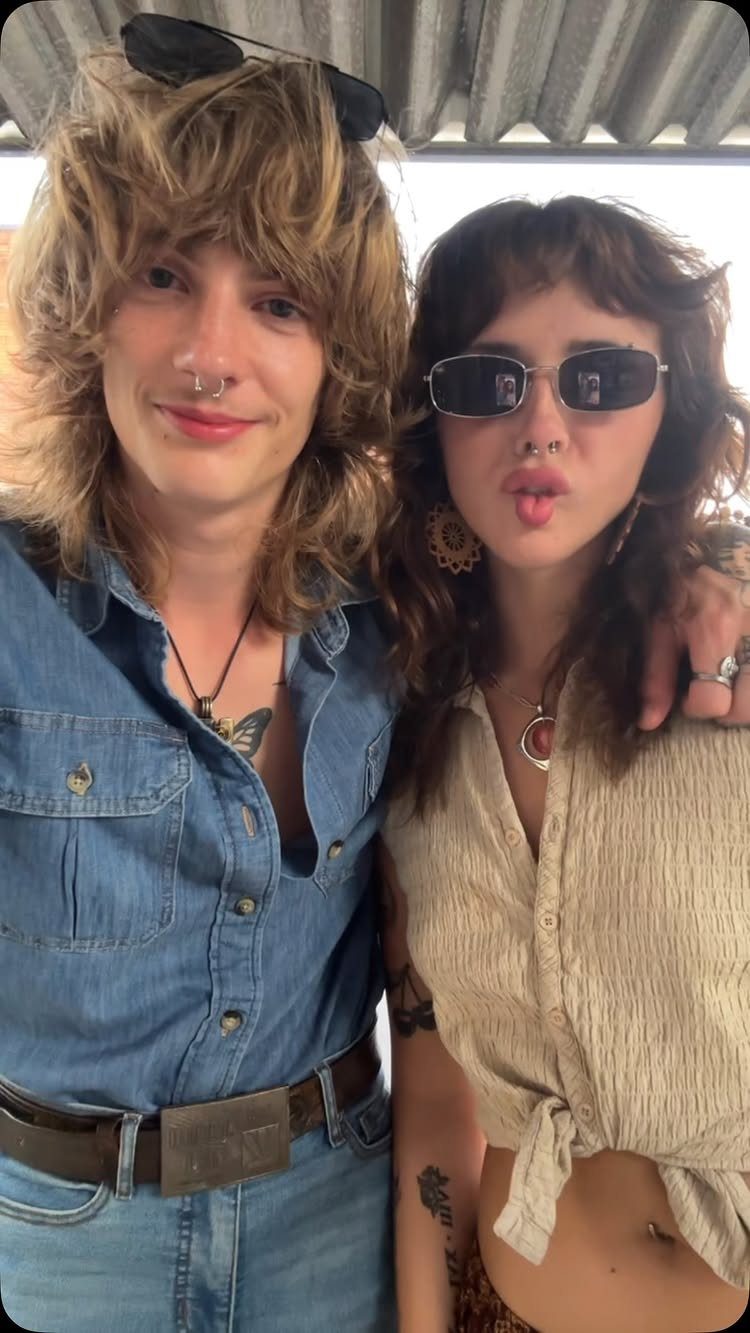
A denim shirt over jeans works because the two don’t have to match exactly. Pick shades a step apart, a lighter shirt over darker jeans or the reverse, so it reads as a deliberate outfit and not a uniform.
I like the shirt open at the collar with the sleeves pushed up. Full denim is loud enough that shoes and accessories should stay plain: brown boots, a simple belt, nothing else competing.
3. Sweater Vest
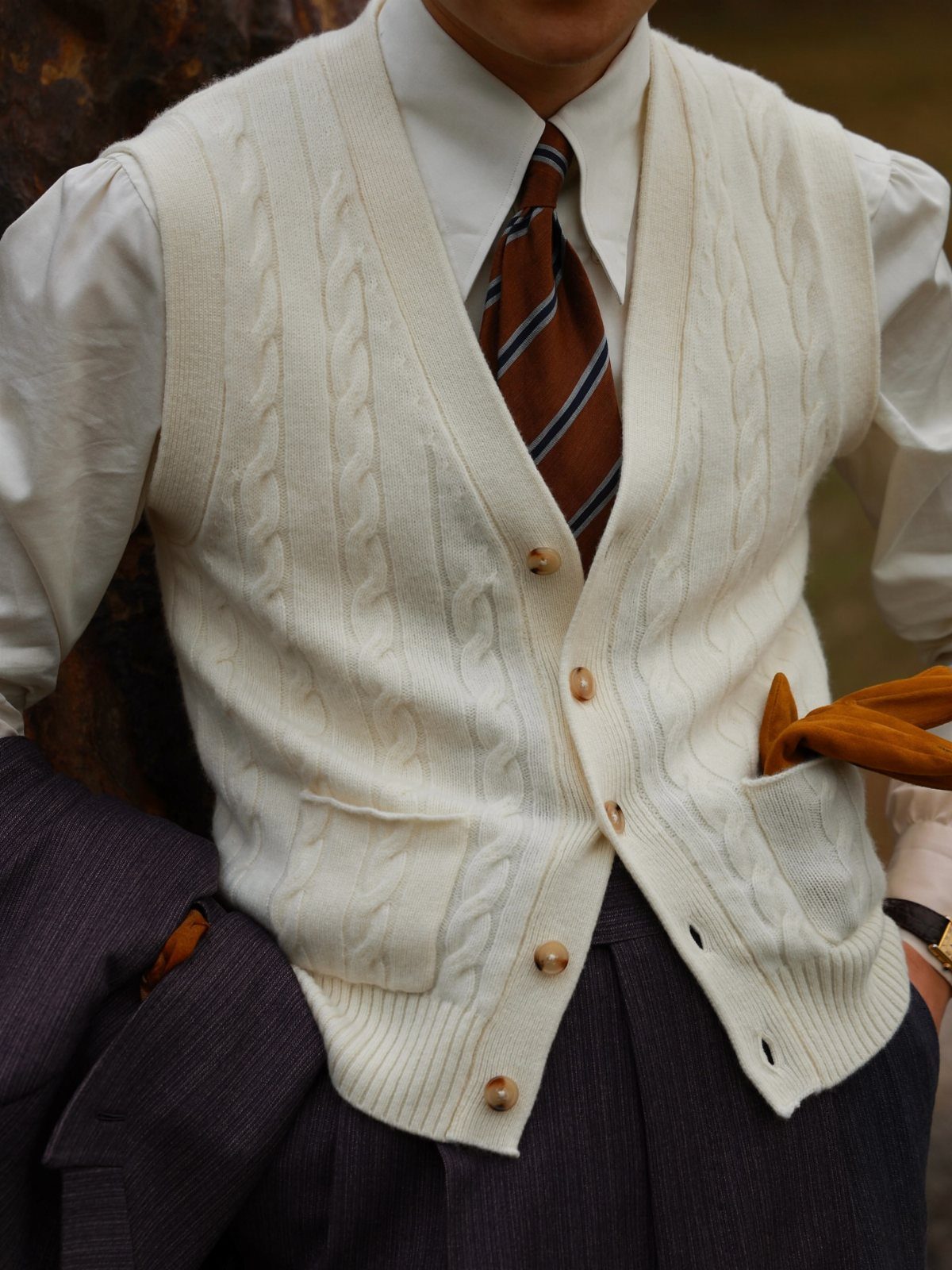
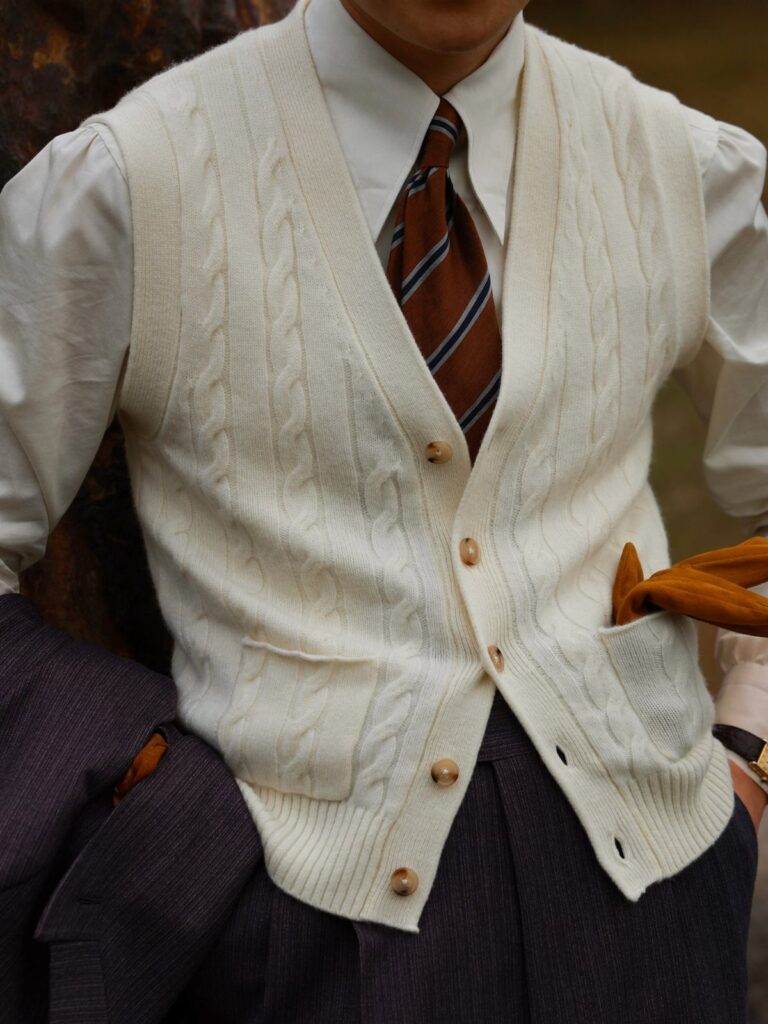
Dark pleated trousers keep the vest from looking costume-like. For a dressed-down version, drop the tie and leave the top button open.
I’d choose a vest that ends at the belt line, since a longer one bunches over the waistband.
4. Faux Fur Statement Coat
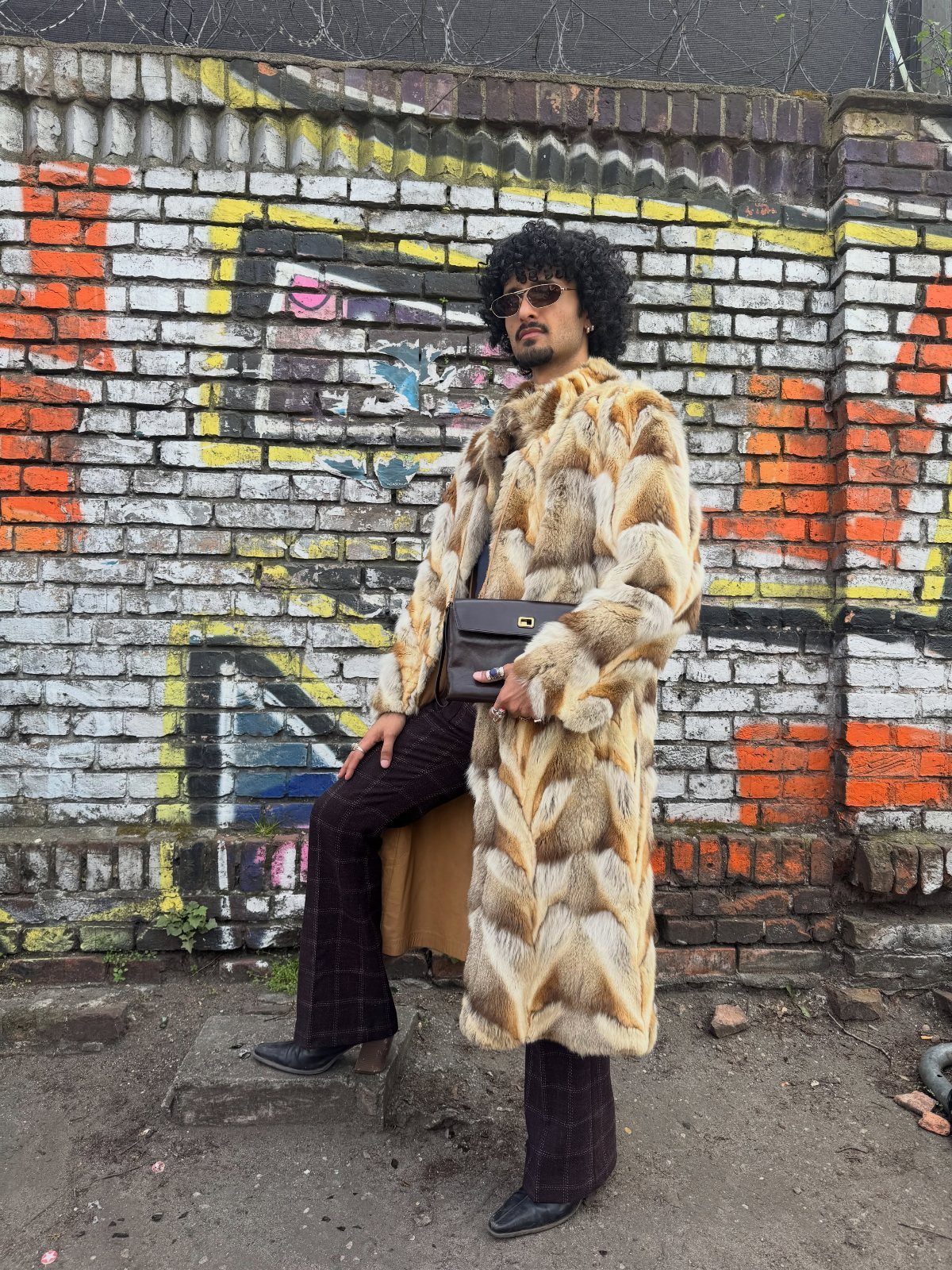
A long faux fur coat in several tones does the talking, so everything under it should stay controlled. Patterned flare pants can carry the look, but I’d keep the pattern fairly small and the boots plain.
Sunglasses finish the outfit and cost little.
Choose a coat that reaches below the hip; a short one loses the drama. Faux fur also spares you the animal-welfare question, which is reason enough for me.
5. Silky Large-Collar Shirt
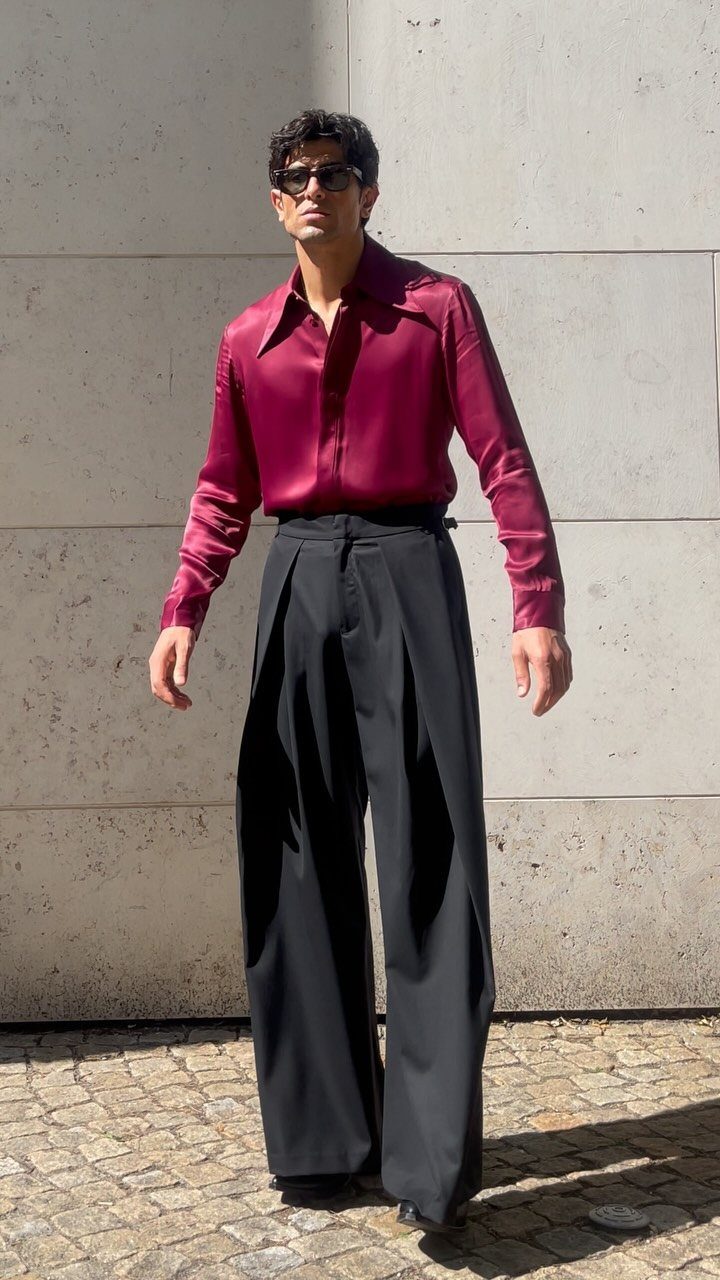
A shiny burgundy shirt with an oversized collar is the quickest way to get 70s evening style without a full costume. Wide-leg black trousers keep the color from taking over and give the shirt room to hang.
Wear it with the top buttons undone and the collar spread over a jacket or worn alone.
Skip a patterned trouser here. One loud piece is plenty, and sunglasses are the only extra it needs.
6. Corduroy Button-Down
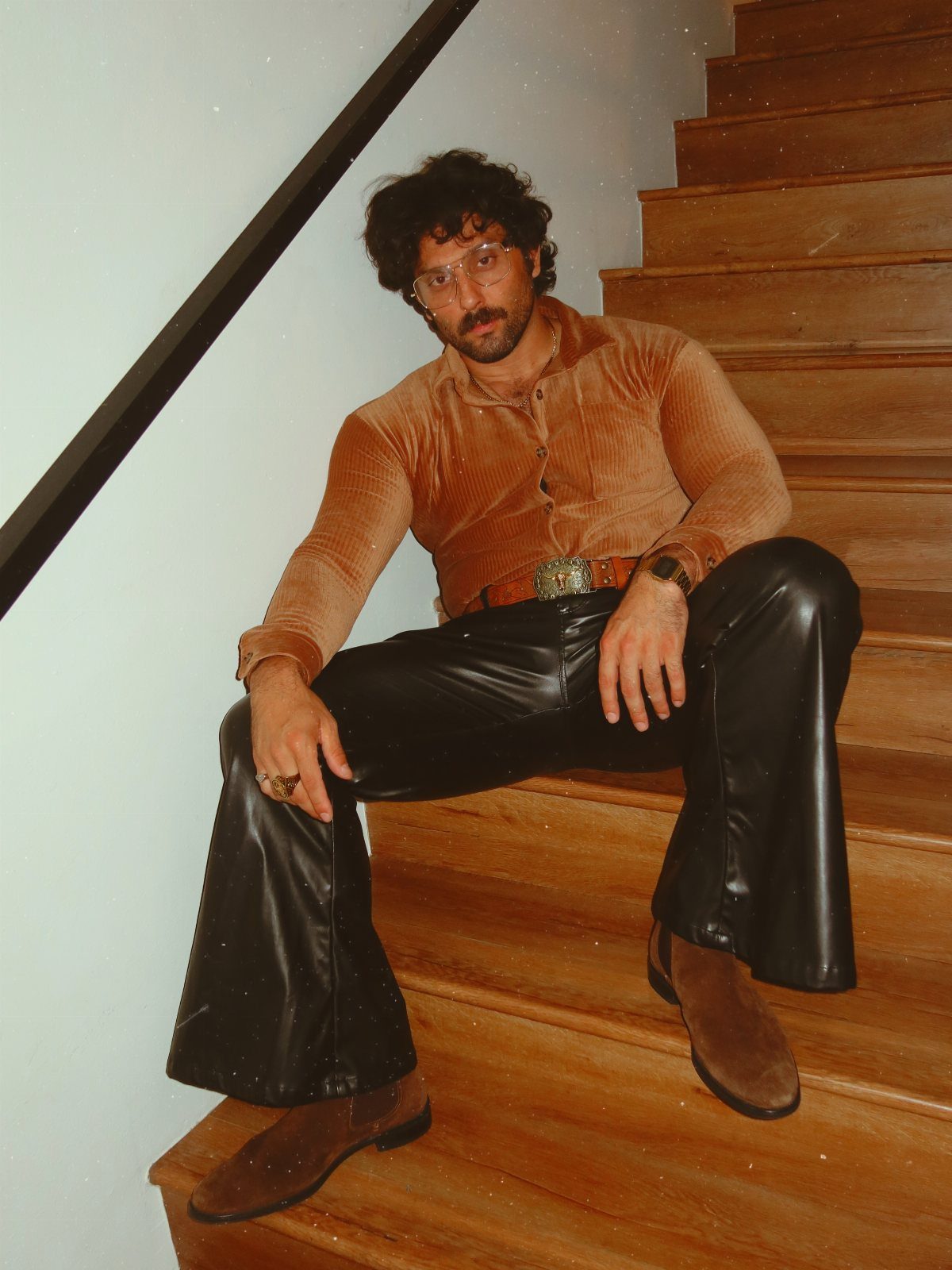
Brown corduroy gives a button-down real warmth, and the ridges catch light in a way flat cotton can’t. Wear it loose over a plain tee or buttoned up on its own.
Black flared trousers and brown suede boots suit it well, because dark bottoms let the shirt stay the focus. For me, a deep brown beats a bright rust, which is harder to pair.
If you like the look but not the flare, straight black trousers still work.
7. Faux-Fur Vest Layering
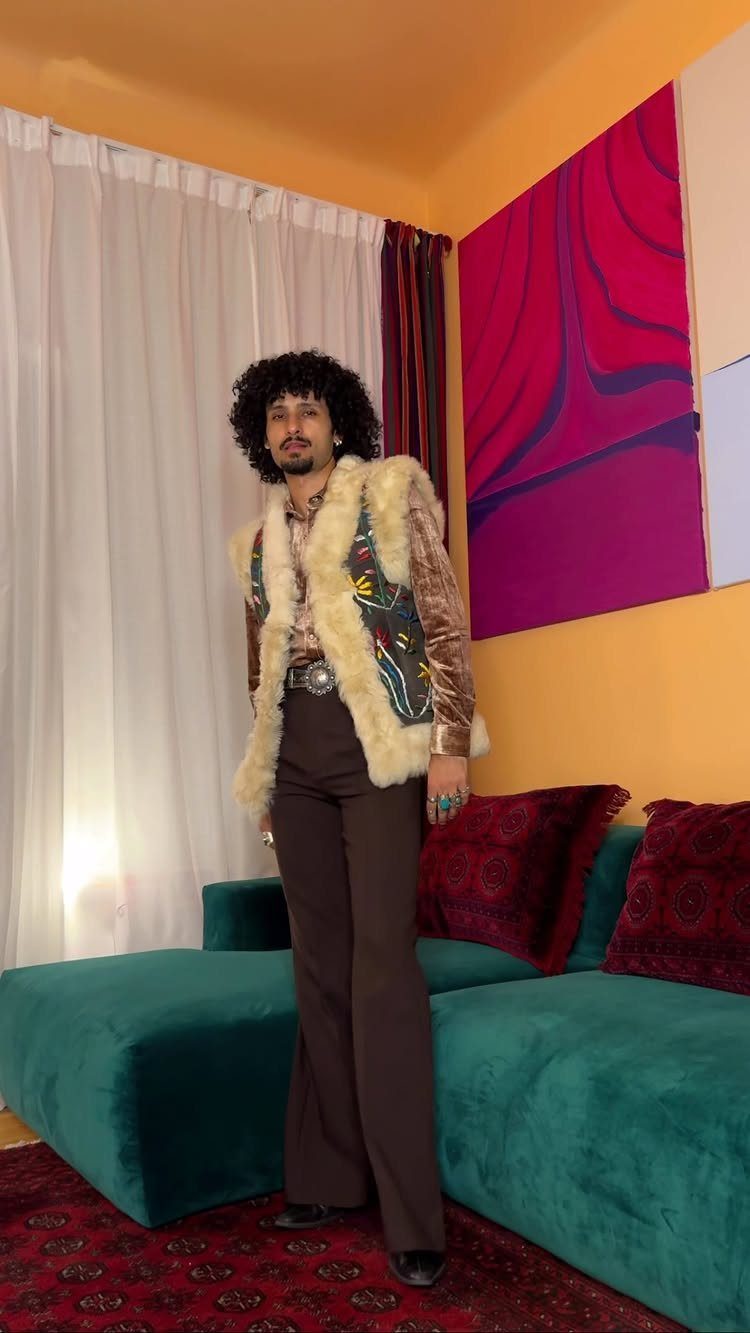
A cream vest over a patterned shirt works best when the shirt does the talking and the vest stays soft. Let the print show at the collar and cuffs, and keep the vest open so the pattern isn’t hidden.
Brown flares and a wide belt buckle suit this combination, since earthy tones calm a busy print.
I’d choose a vest with a single embroidered detail over one covered in pattern, because too many competing designs make the outfit look cluttered.
Faux fur is also the easier choice for a vest, since it adds texture without the weight of a coat.
8. Layered 70s Shag Haircut
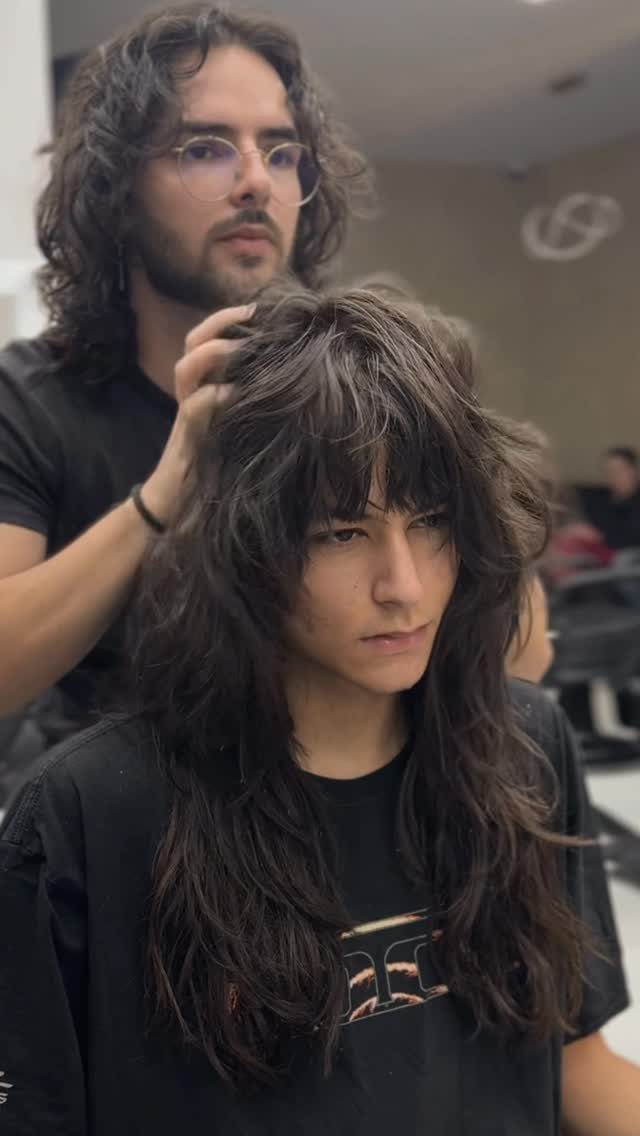
A shag works through layering, so the cut matters more than any product. Ask for long, choppy layers throughout the crown and sides, with length left past the ears and the ends kept loose instead of blunt.
Bring a reference photo to the salon and say how much volume you want. I’d go for the heavier, fuller version over a wispy one, since the volume is what makes the style read as 70s.
Expect to tousle it with your fingers and let it dry with some natural movement. The cut looks best when it isn’t too neat.
Mixing Vintage with Modern
Proportion and palette decide whether a 70s piece reads as style or costume. Choose a single standout vintage piece for each outfit, then make every other item modern and neutral.
A muted vintage floral top works with distressed denim, since the rough texture cuts the sweetness of the print. Wear a retro vest over a clean white tee and it settles down in the same way.
Bright colors are the other route.
Pink, green, yellow and orange all fit the decade, and neon works if you’re comfortable with it. One loud item is plenty; quiet tones around it will do the rest.
Sleek leather crossbody bags and minimalist sneakers help balance a bold print. If the plain pieces have modern cuts, the look stays current.
Accessorizing 70s Outfits
Accessories are where a 70s outfit gets finished, and they’re also the cheapest place to experiment.
Start with a pair of oversized sunglasses in tinted lenses; they’re the easiest entry point.
A silk scarf tied at the neck or in the hair adds color without changing the clothes, and a bandana or headband does the same job more casually.
For jewelry, I’d pick a chunky necklace or a metallic cuff or bangle. Choose one statement piece rather than stacking several.
Bags matter too.
Leather fringe and woven totes add texture and movement, which suits flowing fabrics. A belt with an oversized metal buckle cinches those fabrics and gives the outfit some definition.
A few deliberate accessories will make a polished nod to the decade instead of a costume.
Styling Tips for 70s Fashion
A suede jacket with fringe can pull the whole thing together.
Balance matters most. Pair flares with a fitted top so the legs don’t swallow you, and look for high-waisted trousers that start flaring at the knee, which flatter most builds.
Platform shoes, whether chunky heels or wedges, add the retro lift.
Patterns are fair game too. Brown, turquoise and orange defined the decade’s palette, and you can mix prints as long as one color or solid piece anchors them.
I’d pair a geometric print with suede or leather so it feels grounded. Plain tees and modern denim keep the look from becoming one-note.