The list covers a lot of ground, from flared jeans and graphic tees to Black Tie, and what changes from one idea to the next is how much of the outfit is actually old.
Your own closet decides where to start: if you already own plain basics, add one old piece, like the graphic tee or a pair of flared jeans, and keep everything else current.
For a full period look, plan on more pieces and a closer eye on cut and fit, as in the Black Tie or Utility Jacket and Denim Shirt ideas.
1. Vintage Style Clothing
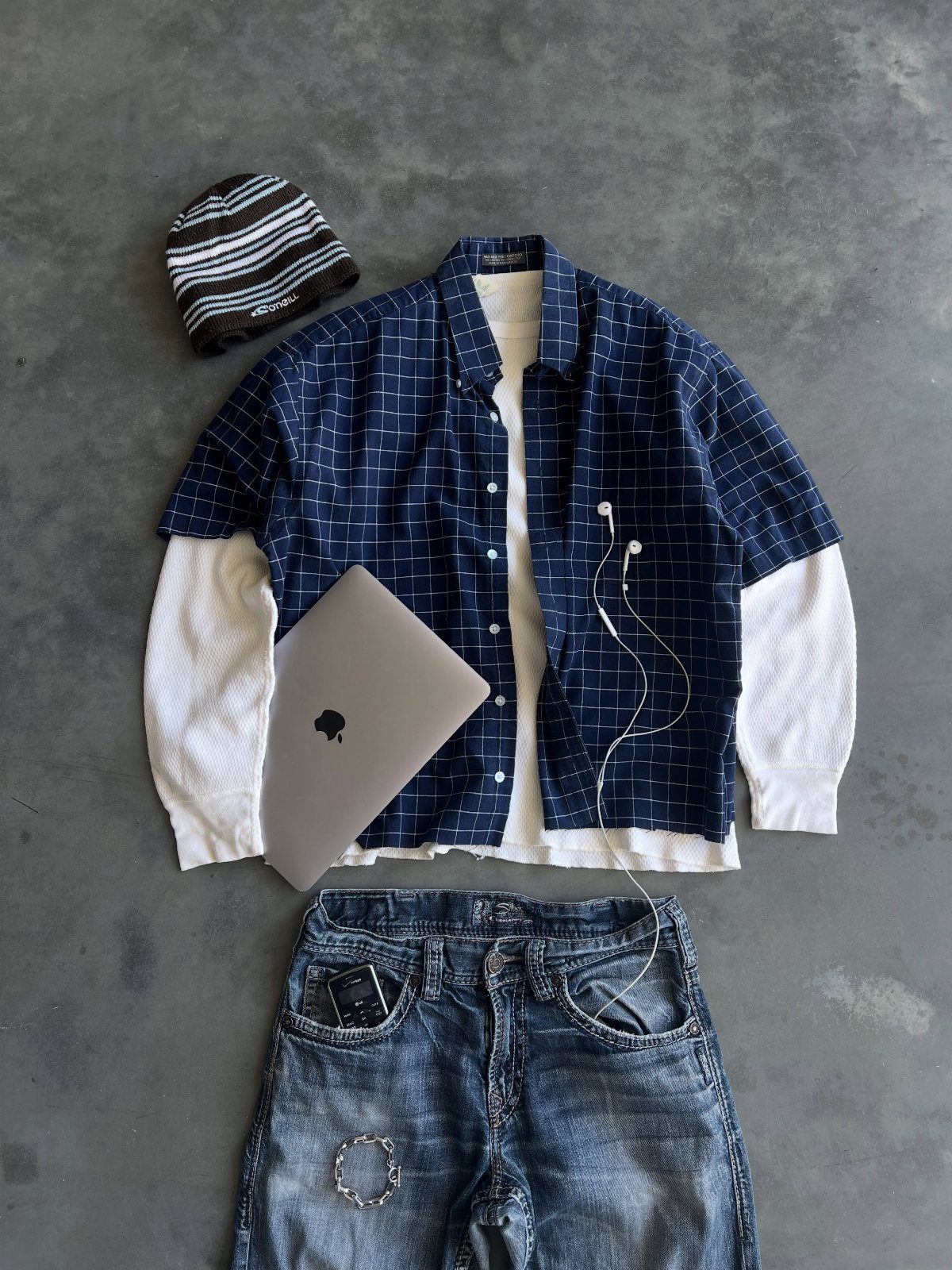
A blue grid button-up worn open over a white long-sleeve tee is the easiest way into vintage, and it costs very little. Each piece is plain on its own; the age shows in the faded jeans and the striped beanie.
Buy the shirt and jeans secondhand, because fabric that’s already been washed soft and faded is what gives the outfit its vintage look. Keep the rest quiet so one vintage piece leads.
Buying vintage is a great way to elevate your style on the cheap while reducing fashion waste. Whether you’re looking for a one-of-a-kind graphic tee, rare designer pieces, or those sneakers you missed on drop day, the secondhand market is absolutely booming right now.
— GQ
2. Flared Jeans
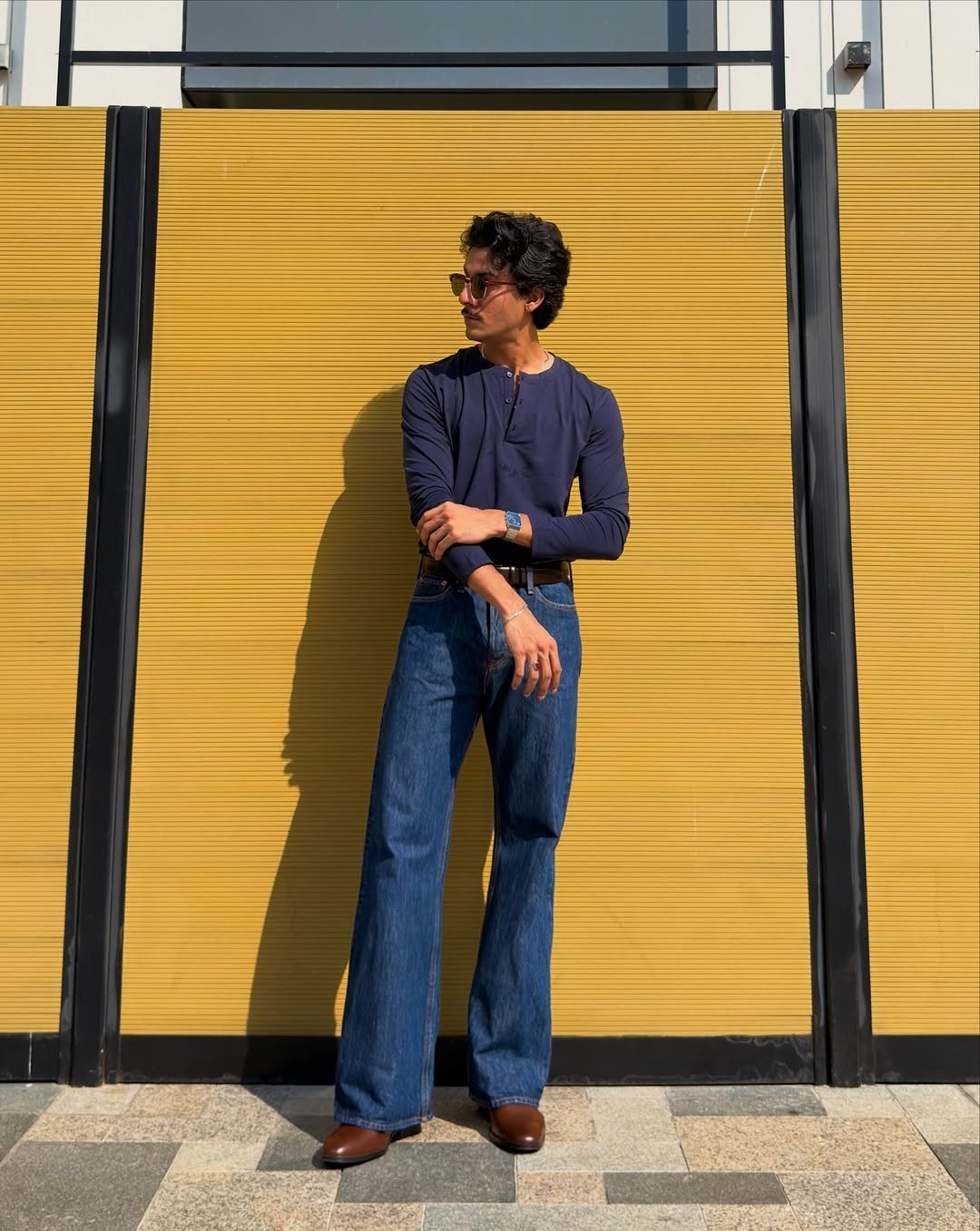
Flared jeans change a man’s whole outline, and I like them most with something fitted on top. A tucked henley does that job: it keeps the waist clean while the leg opens wide below the knee.
Let the hem skim the top of the shoe.
A brown leather dress shoe works, and a platform adds height if you want the full period look. Skip a baggy top, or the flare just looks sloppy.
3. Vintage Graphic T-shirts
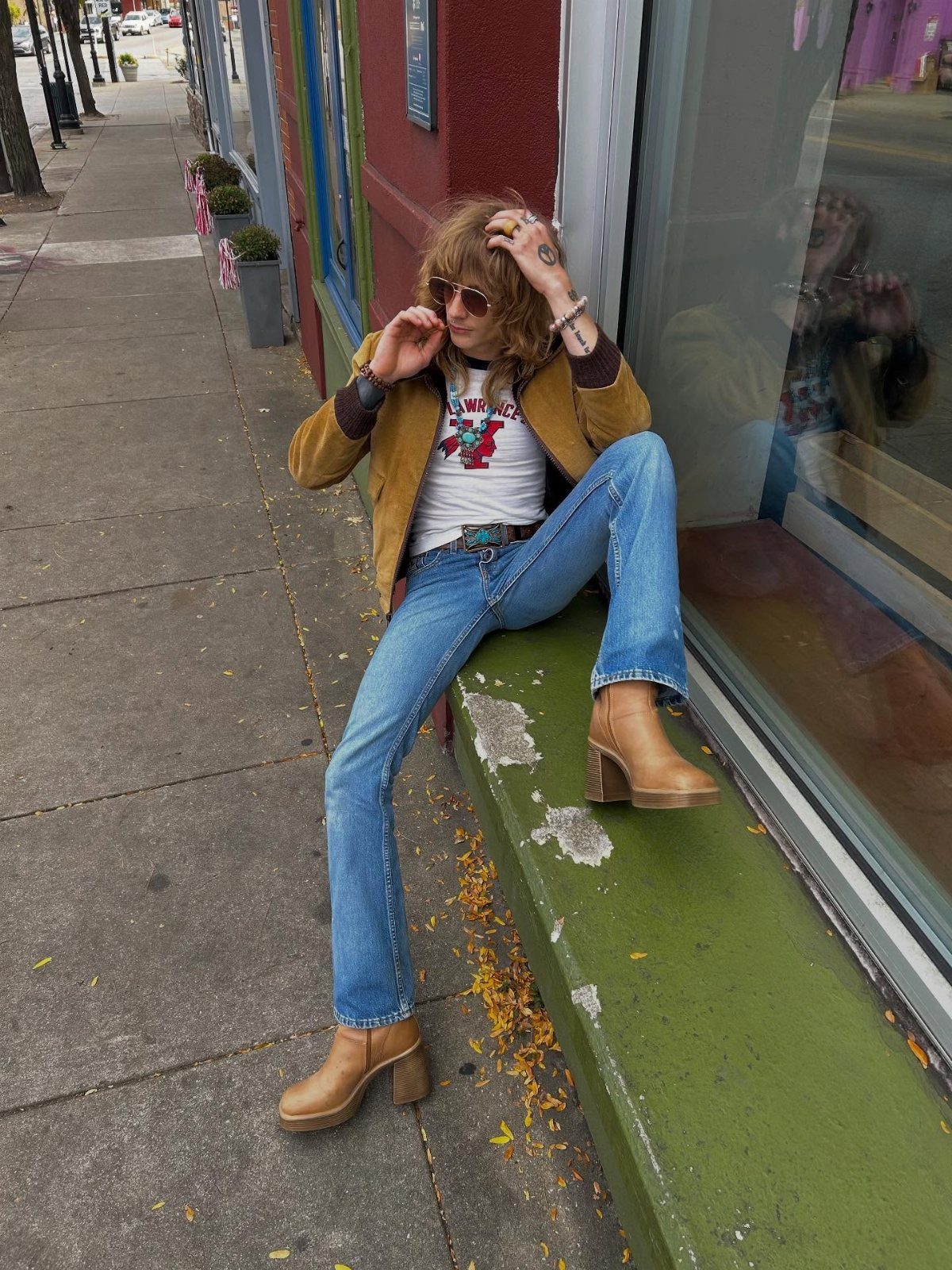
Faded, soft and a little cracked: that is what makes a vintage graphic tee better than a new one.
Pick a design with a name or a place on it over a loud logo, and it reads as a real find.
Layer it under a jacket and pair it with jeans, which keeps it easy to wear on a normal day. Check the collar and underarms before buying, because secondhand tees are cheap but not all are in good shape.
4. Vintage Accessories
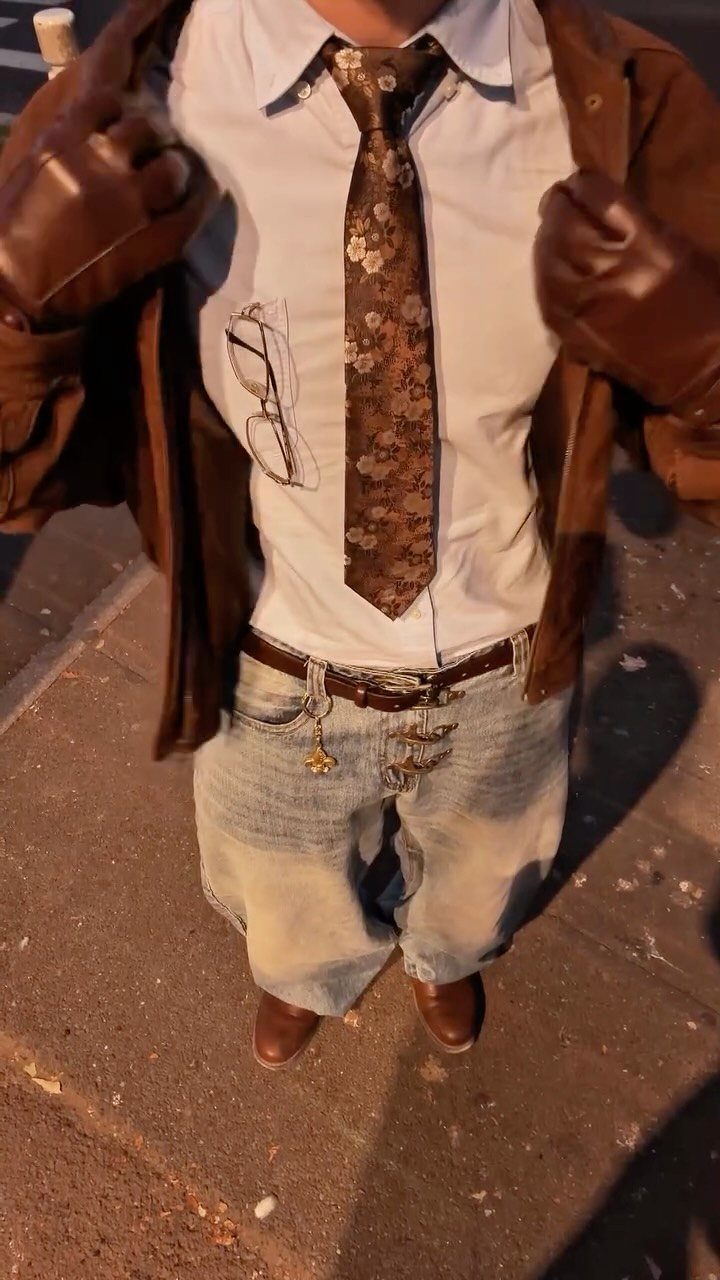
Accessories do the most work per dollar here. A floral tie against a white collared shirt and a brown leather jacket looks deliberate, and leather gloves add a layer most men skip.
Add one item at a time. A tie, a pair of gloves, or eyeglasses tucked in a pocket each say old-school on their own, and all three together can start to look like a costume.
5. Vintage Pants
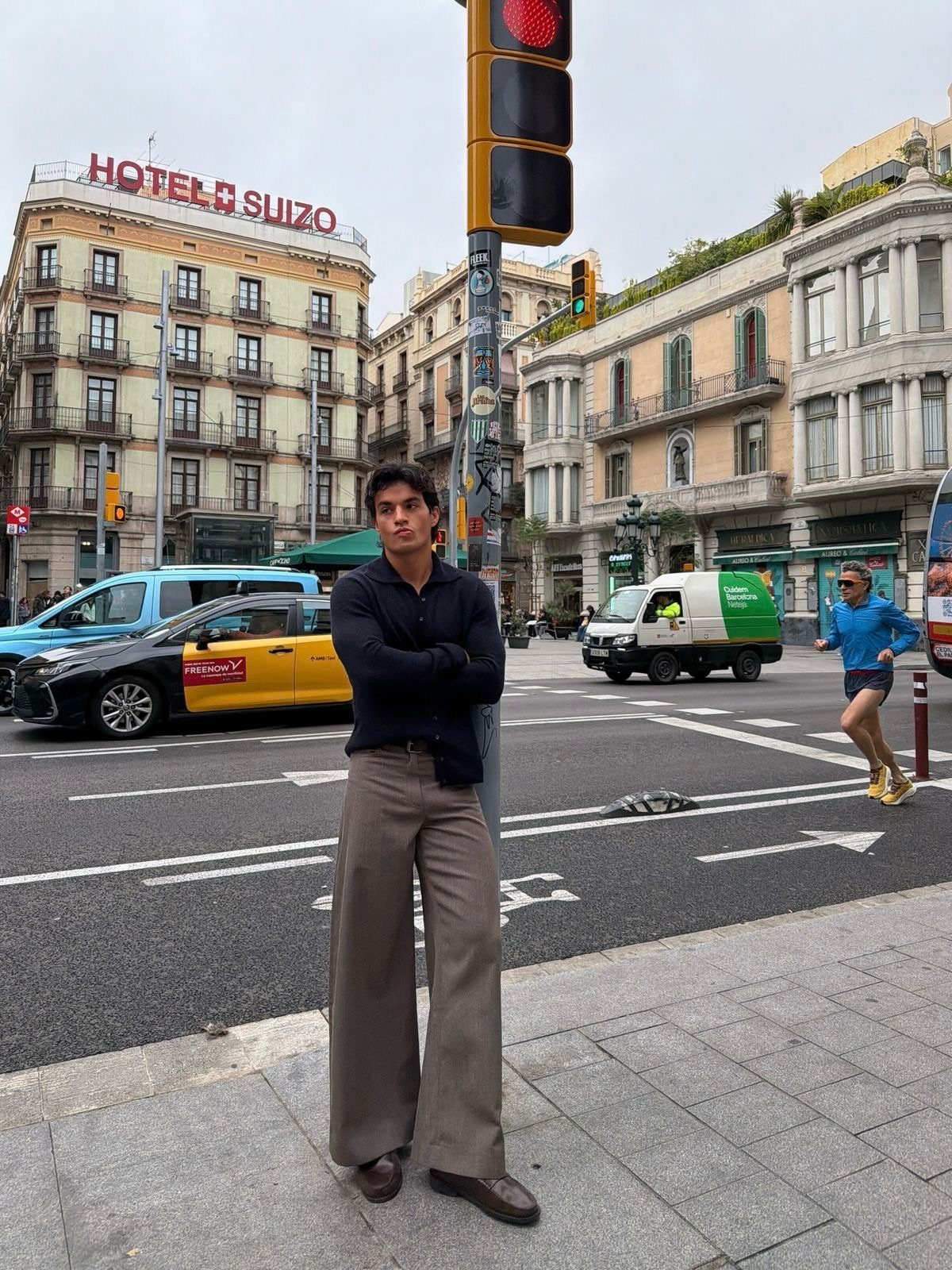
Old trousers had a high waist and a wide leg, and I think they beat most of what stores sell now.
The rise sits at the navel, so the shirt stays tucked and the line from waist to hem stays long.
Tan wide-leg pants with a dark knit polo is a simple pairing that works almost anywhere. Hem them to just touch the shoe, since a wide leg that pools at the ankle looks heavy.
6. Black Tie
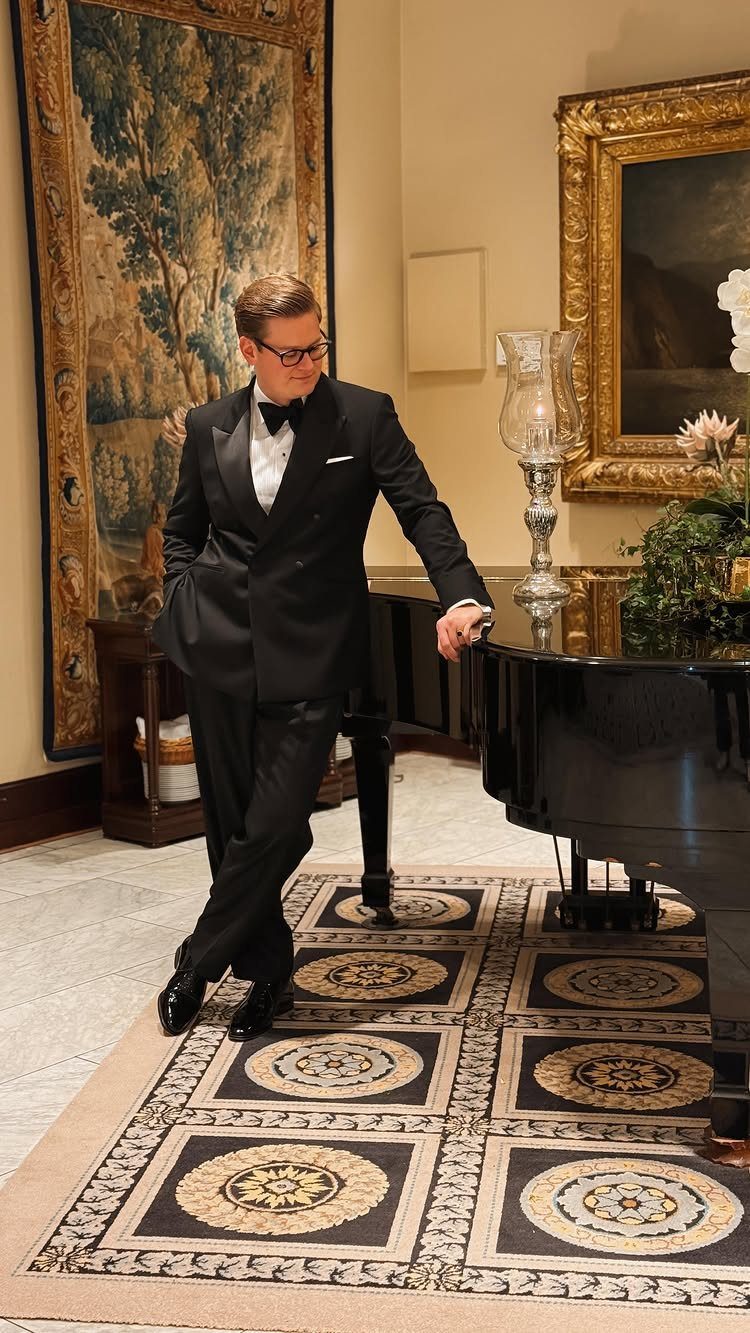
A black double-breasted tuxedo with a bow tie is the vintage formal look at its plainest. Men once bought their formal wear and kept it, and that habit is worth copying.
For a budget-minded reader, that means one tux that fits well beats renting every time.
Have a tailor adjust it, and add glasses if you wear them. It will serve at weddings, galas and any night that calls for black tie.
7. Brown Suede Jacket and Jeans
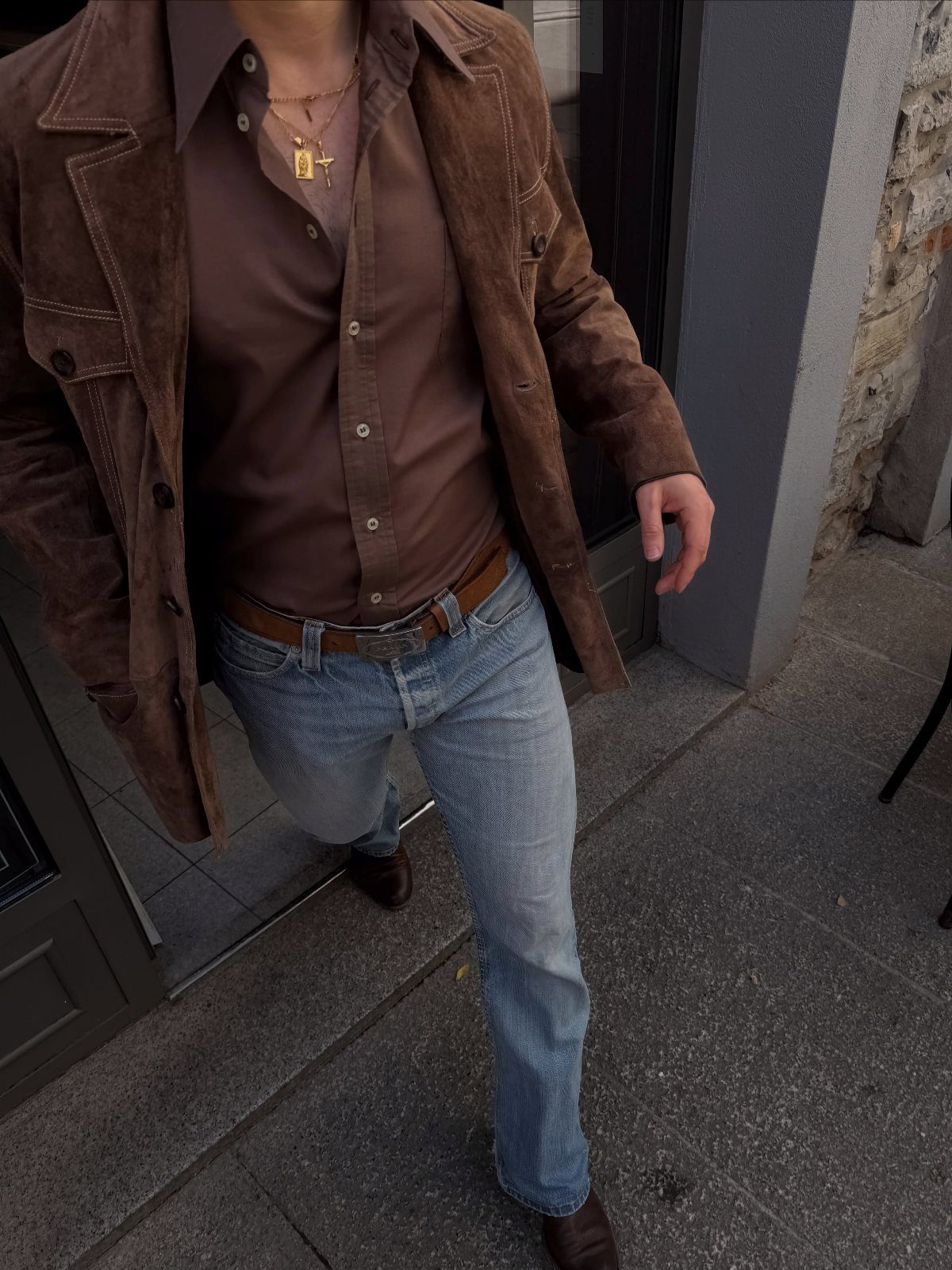
Brown on brown works because the tones sit close together. A suede jacket left open over a brown button-down and light-wash jeans gives you three textures and one easy palette.
The light denim does the contrast, so the jeans can stay plain.
Add a brown belt that matches the jacket, and a thin gold chain if you like. Suede is a good secondhand find, and it’s worth checking the cuffs and collar before you pay.
8. Cropped Trousers and Loafers
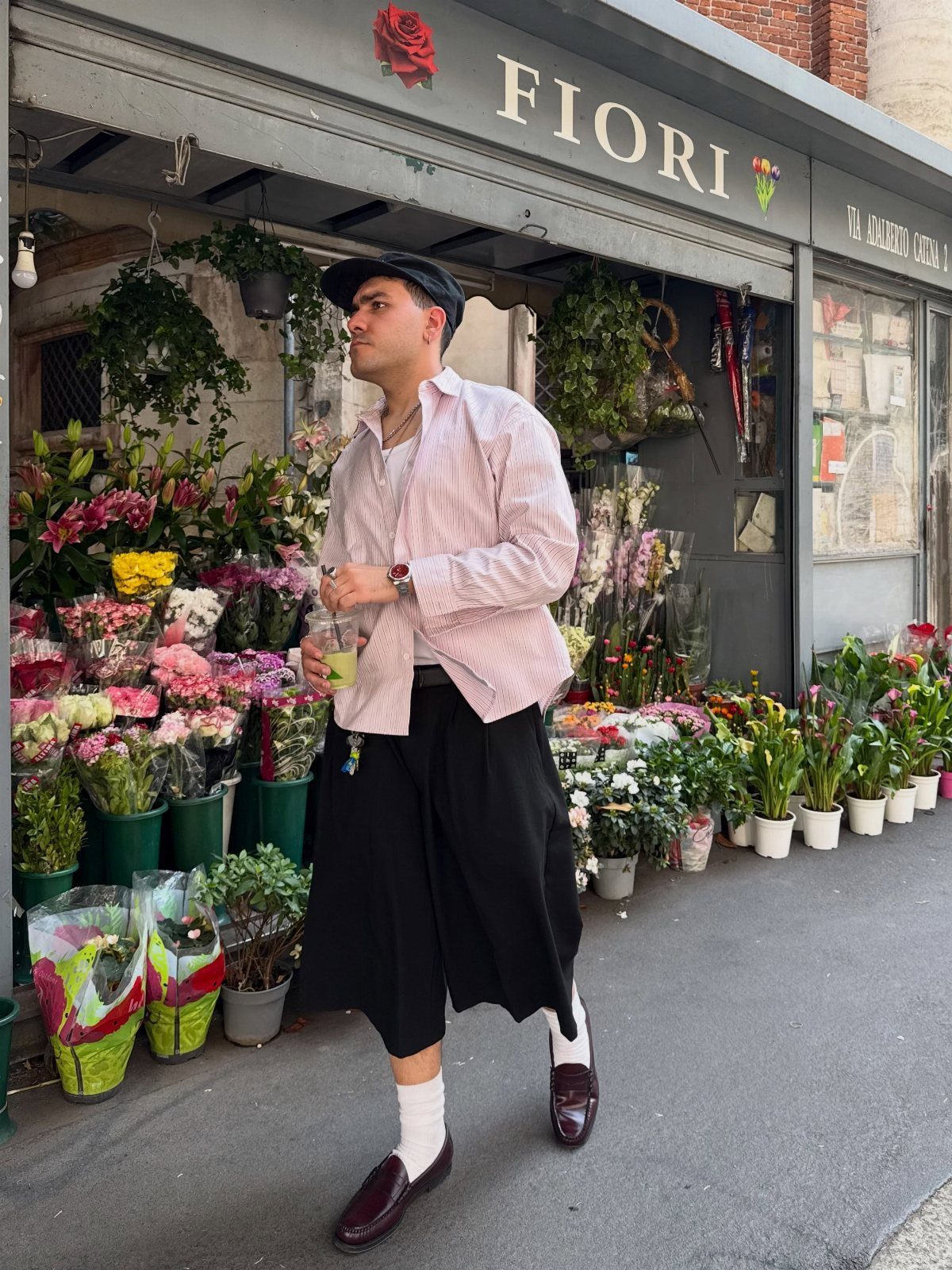
Cropped wide-leg trousers with white socks and dark loafers is a look I’d pick over a plain slim chino any day.
The cropped hem shows the sock on purpose, and the white against black loafers draws a clean line at the ankle.
Keep the top simple, like a striped button-down worn loose. Choose a hem that stops above the ankle bone, so it reads as a choice and not as pants that shrank in the wash.
9. Utility Jacket and Denim Shirt
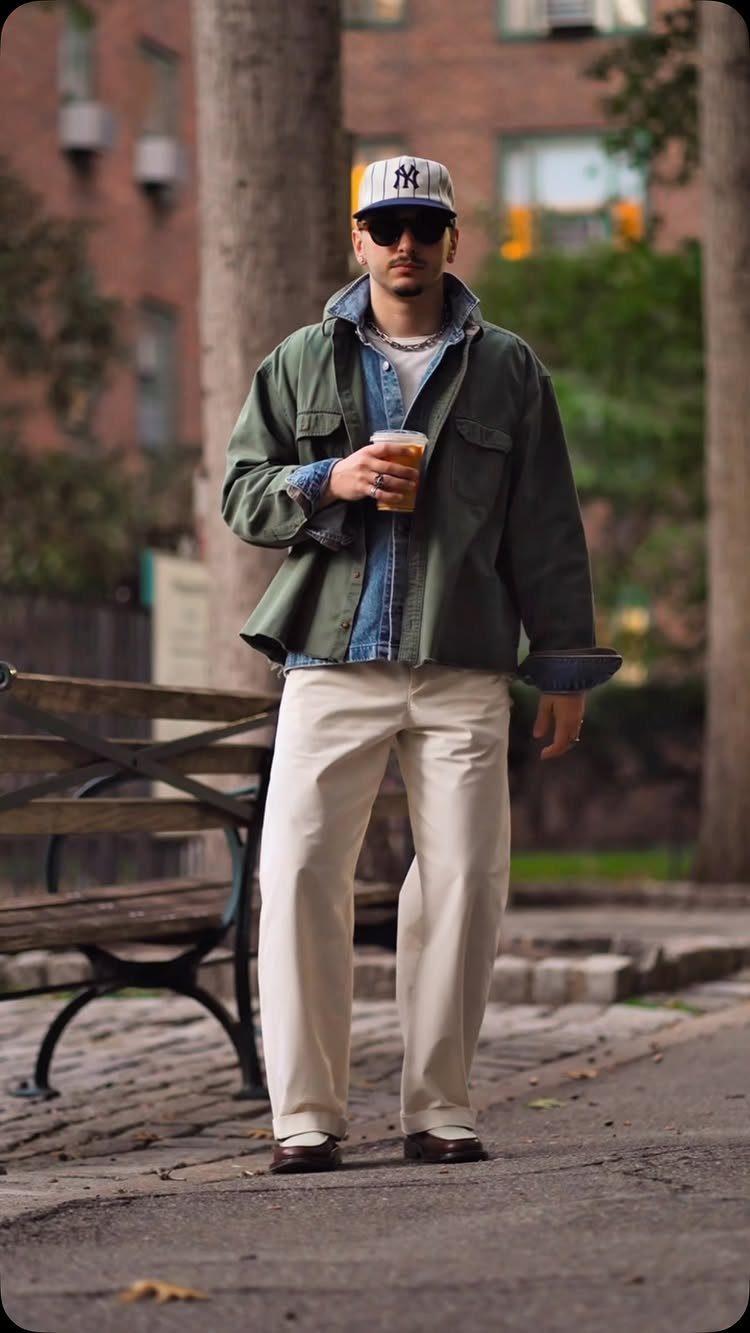
An olive utility jacket over a denim shirt gives you 2 layers that look good because they don’t match. The jacket brings the pockets and the green; the denim adds a softer blue underneath.
Cream wide-leg trousers keep it light, and a white tee under the shirt fills the gap at the collar.
Loafers and a baseball cap bring it down to everyday. Both jackets and denim shirts turn up cheap secondhand.
10. Layered Hoodie and Trousers
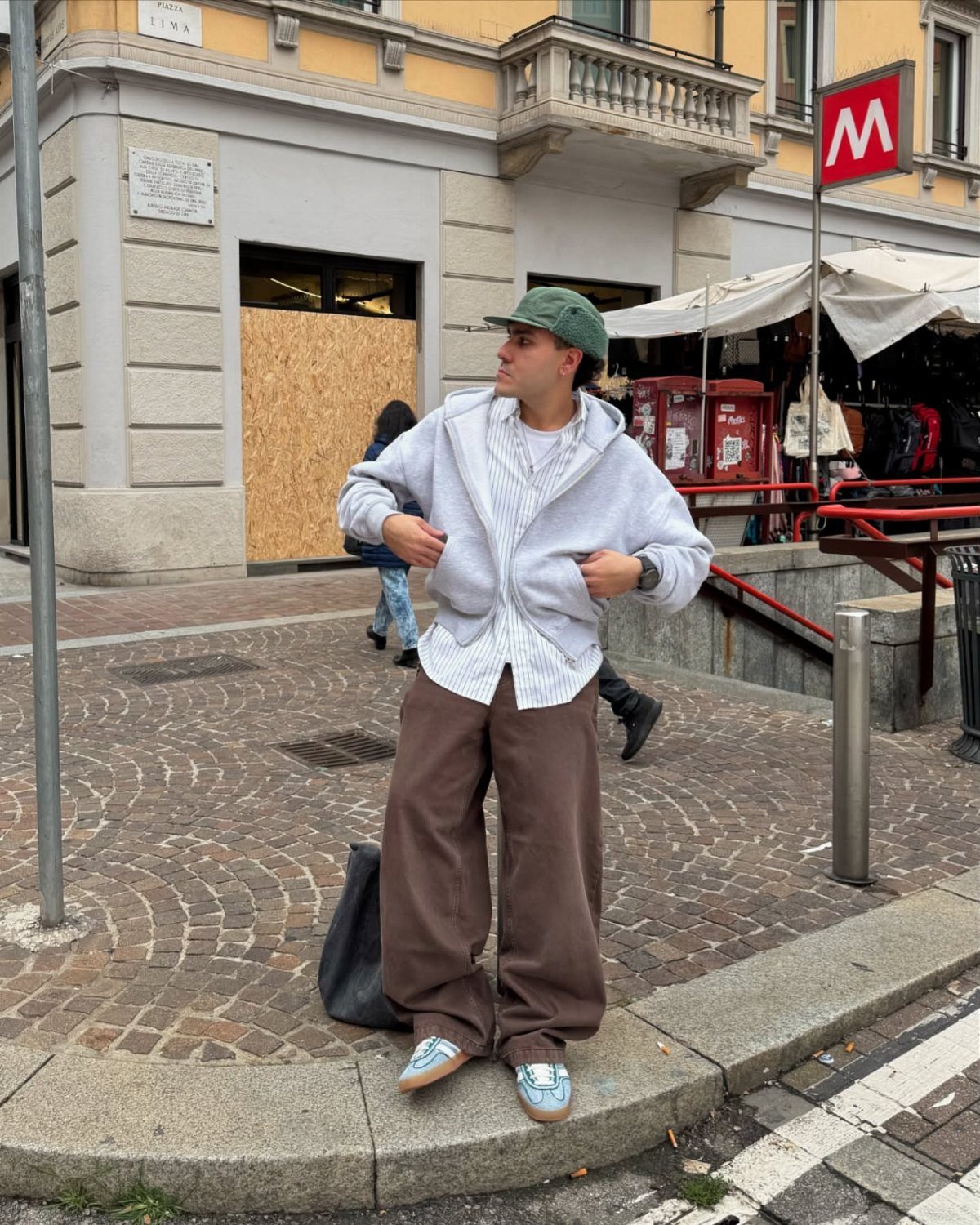
Wear the hoodie unzipped over a pinstriped button-down, and you get a sweatshirt that behaves like a jacket. The collar and shirt hem peek out, which is what makes it look planned.
Loose brown trousers and sneakers finish it.
A bulky top half needs a thin layer underneath and wide trousers below, which balances the proportions. A cap in a color from the outfit ties it together.
Dressing Vintage
Mixing eras works best when one piece is old and the rest is current.
A patterned vintage shirt under a modern blazer with jeans is an easy test: the shirt carries the age, and the cut of the blazer keeps it from looking dated.
Pick one decade for the old piece and let everything else stay neutral. Blending 60s and 70s details is fine, but pair them with plain, current basics so the outfit reads as one idea.
Know what you’re buying, too.
Real vintage is generally 20 years or older. A piece made to look old is vintage-style, sometimes called "repro," and it can be good clothing if it’s properly made.
A costume with a bell-bottom print is not. Check the stitching and fabric, and you can tell which one you’re holding.
Fashion History
Fashion moves in cycles, and the cuts you wore in middle school tend to come back. That is useful: you can wear an old piece now without it looking like a throwback.
Wearing something old doesn’t automatically make a vintage look, though. A grandfather’s tie on a modern-cut suit is a nice touch, but it reads as a modern outfit with an heirloom in it.
If you want the full vintage effect, the cut and the fit of the other pieces have to come from the same era too.
Decide which you want before you shop.
One old accent is easy and low risk. A full period look takes more pieces and more care.
Shopping for Vintage
Vintage sizing runs smaller than current sizing.
Sizing ran smaller decades ago, so a 60s or 70s shirt tagged large often fits like a modern medium; skip the tag and measure the chest, shoulders and sleeve length against a shirt you already own.
For online buying, eBay, Etsy, The RealReal, What Goes Around Comes Around and Dora Maar are all worth a look. Locally, search for vintage markets, thrift stores and used clothing shops in your area.
In cities where a lot of TV and film is shot, such as LA, New York or Atlanta, costume shops may sell old pieces used on screen.
Spend more on quality. A well-made piece in good fabric costs more up front, but it holds up and keeps its shape.
Frequently Asked Questions
How to dress vintage as a man?
Let one piece be genuinely old and make the rest modern and plain. Pick one decade for the old piece, and avoid stacking stereotypical retro items, which can start to look like a costume.
What is considered a vintage outfit?
Real vintage is clothing that’s generally 20 years old or older. A costume with a printed bell-bottom pattern doesn’t count either, and a look at the stitching and fabric usually settles which one is in your hands.
Where can I find vintage men’s clothing?
Online, eBay, Etsy, The RealReal, What Goes Around Comes Around and Dora Maar are all worth a look.
Vintage sizing runs smaller, so a 60s or 70s shirt tagged large can fit like a modern medium; measure instead of trusting the tag.