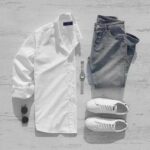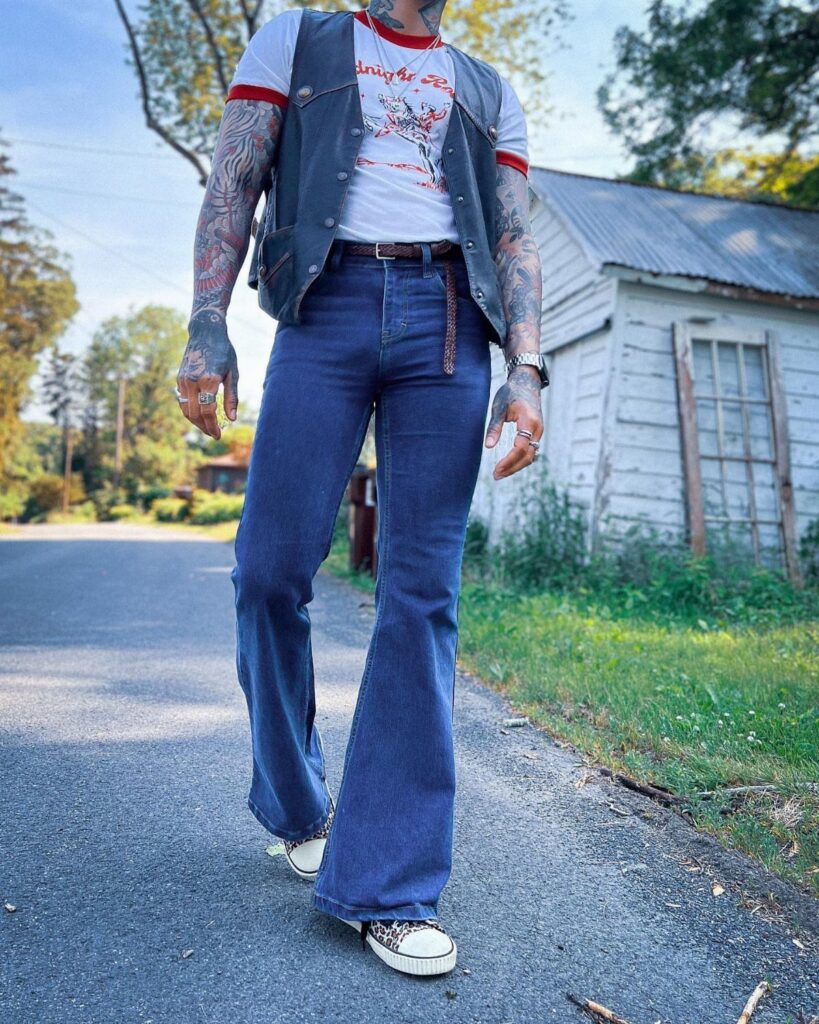
The ideas run from a single piece, like a watch or a pair of flared trousers, to a full velvet blazer look or a faux fur coat.
Which one is yours depends on where you’ll wear it: a pinstripe suit or plaid blazer holds up on an ordinary weekday, while glam rock and disco clothing belong at an event or a night out.
Whatever the occasion, I’d keep one loud piece per outfit and let everything else stay plain.
1. Silk and Satin Shirts
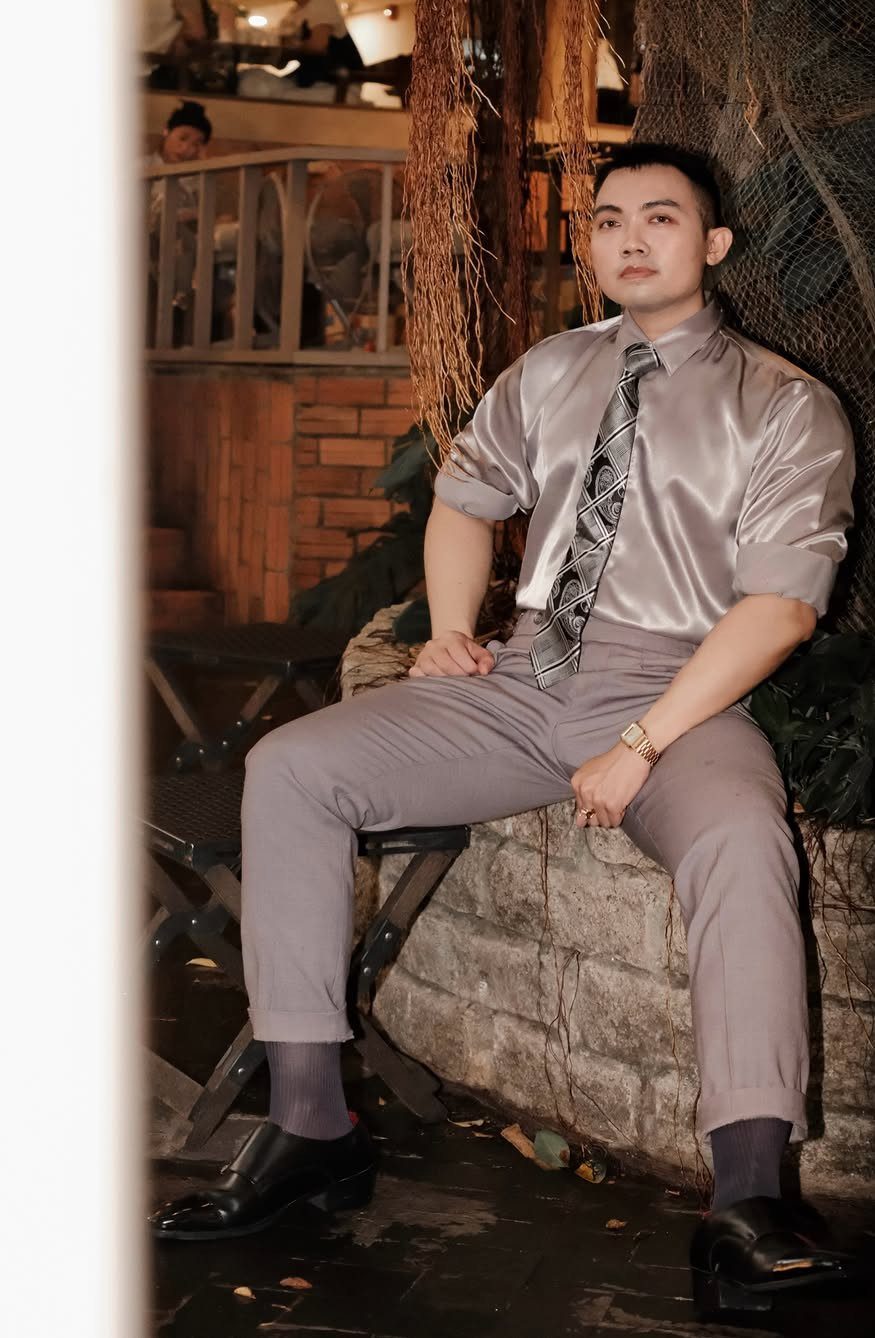
Satin only works when the cut stays classic. A short-sleeve collared shirt in silver has enough sheen on its own, so keep everything below it quiet: gray trousers, dark socks, black dress shoes.
A patterned tie adds a second texture without adding a second color. I like that restraint.
Shiny fabric shows every wrinkle and every poor fit, so choose a shirt that skims the body rather than clings.
2. Flared Trousers
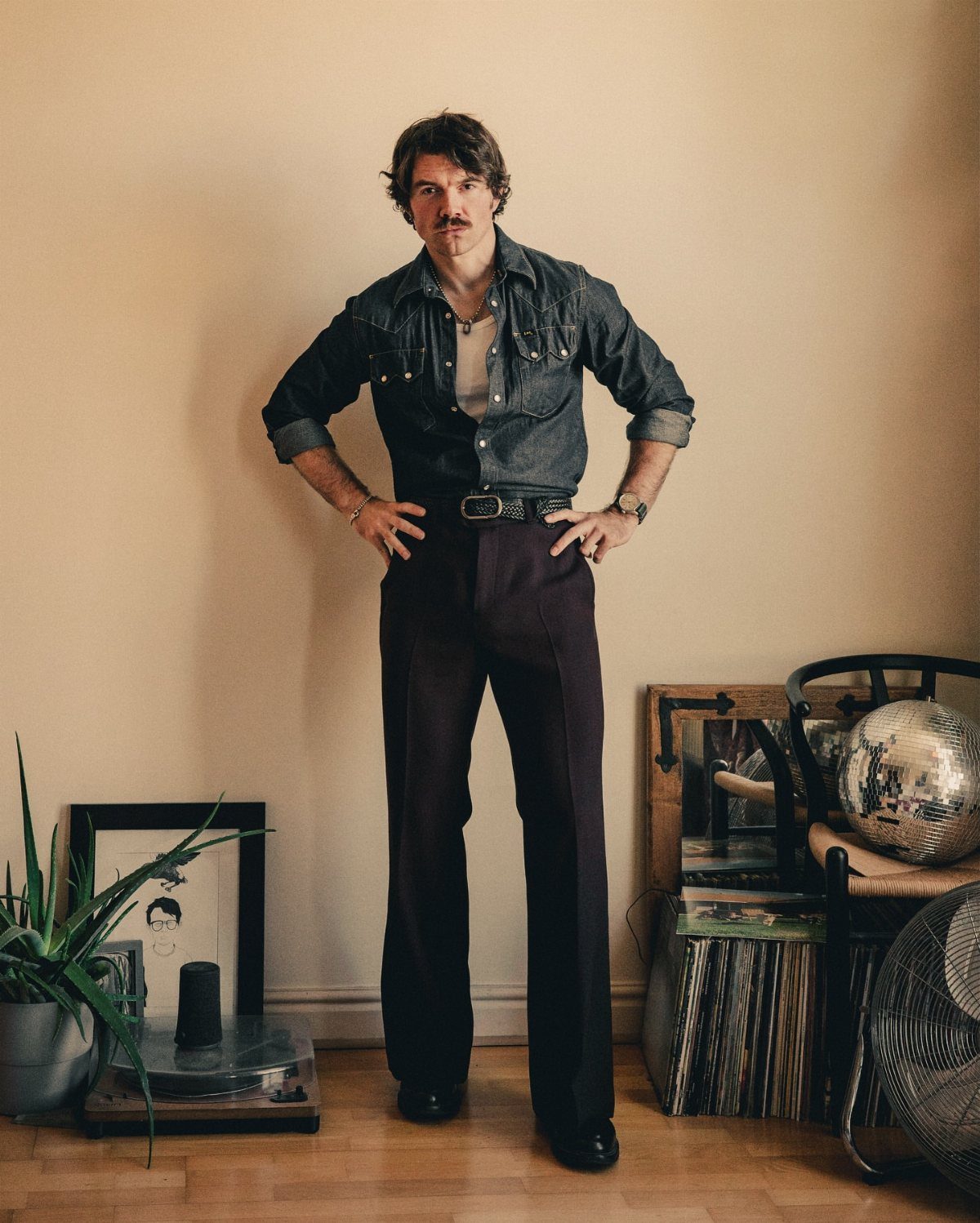
Flares do the most work when the shirt and jacket stay plain. Dark brown flared trousers with a denim shirt is a pairing I’d copy exactly: two heavy, matte fabrics, one silhouette that stands out.
The leg should widen from the knee and sit long enough to nearly cover the shoe. Too short and the shape reads as a costume.
Keep the shirt tucked so the waist stays defined and the flare gets the attention.
3. Wide Lapels Jackets
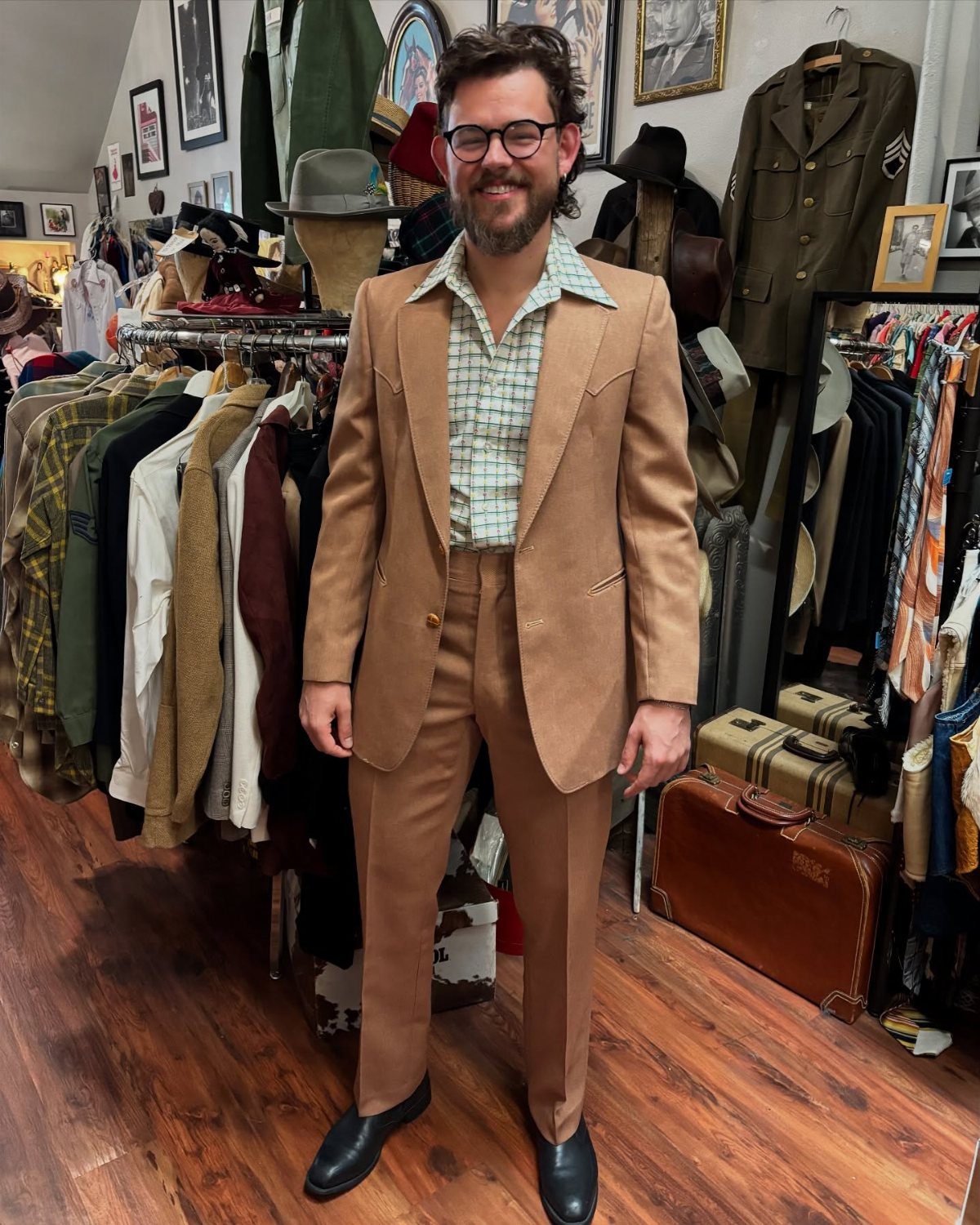
A tan suit with wide lapels over a large-collared checkered shirt is a lesson in proportion: when the lapels grow, the collar has to grow with them.
Pair a big lapel with a small collar and the proportions fight each other.
I’d choose a solid jacket and let the shirt carry the pattern, as it does here. Tan is a gentle way into the shape, since it’s softer than black or navy.
Vintage stores are the easiest place to find real examples, though tailoring a secondhand jacket takes some patience.
4. Shearling Jackets
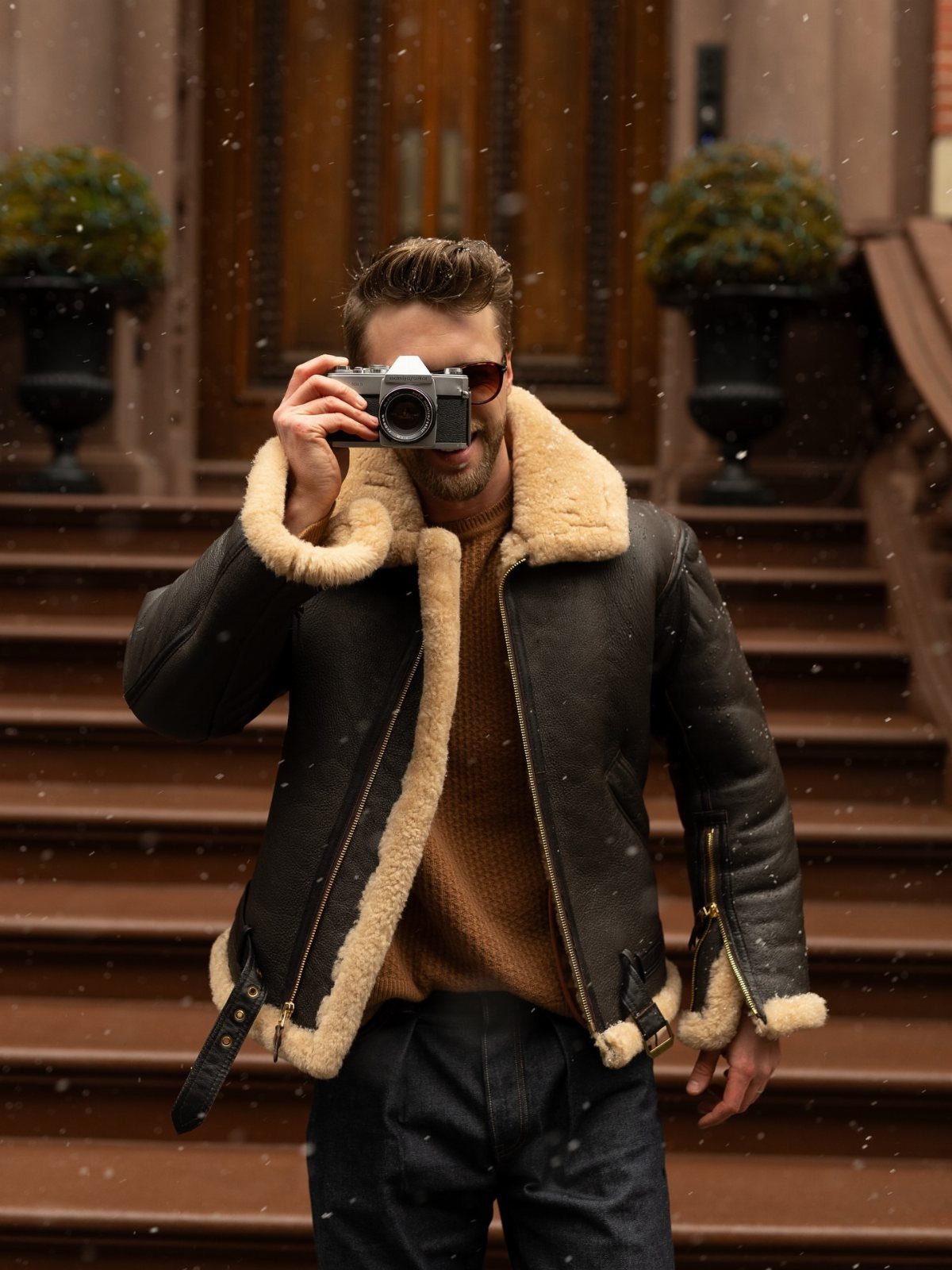
A dark leather shearling aviator over a brown knit sweater is the easiest way I know to wear the fur-lined look without it feeling like a costume.
The sweater keeps the jacket from looking heavy, and the brown tones sit together well.
Choose a jacket with a collar that folds up high, since that is where the lining shows and does its work.
Expect it to be bulky. Keep what’s underneath slim, and the outfit holds its shape in cold weather.
5. Denim Jackets and Jeans
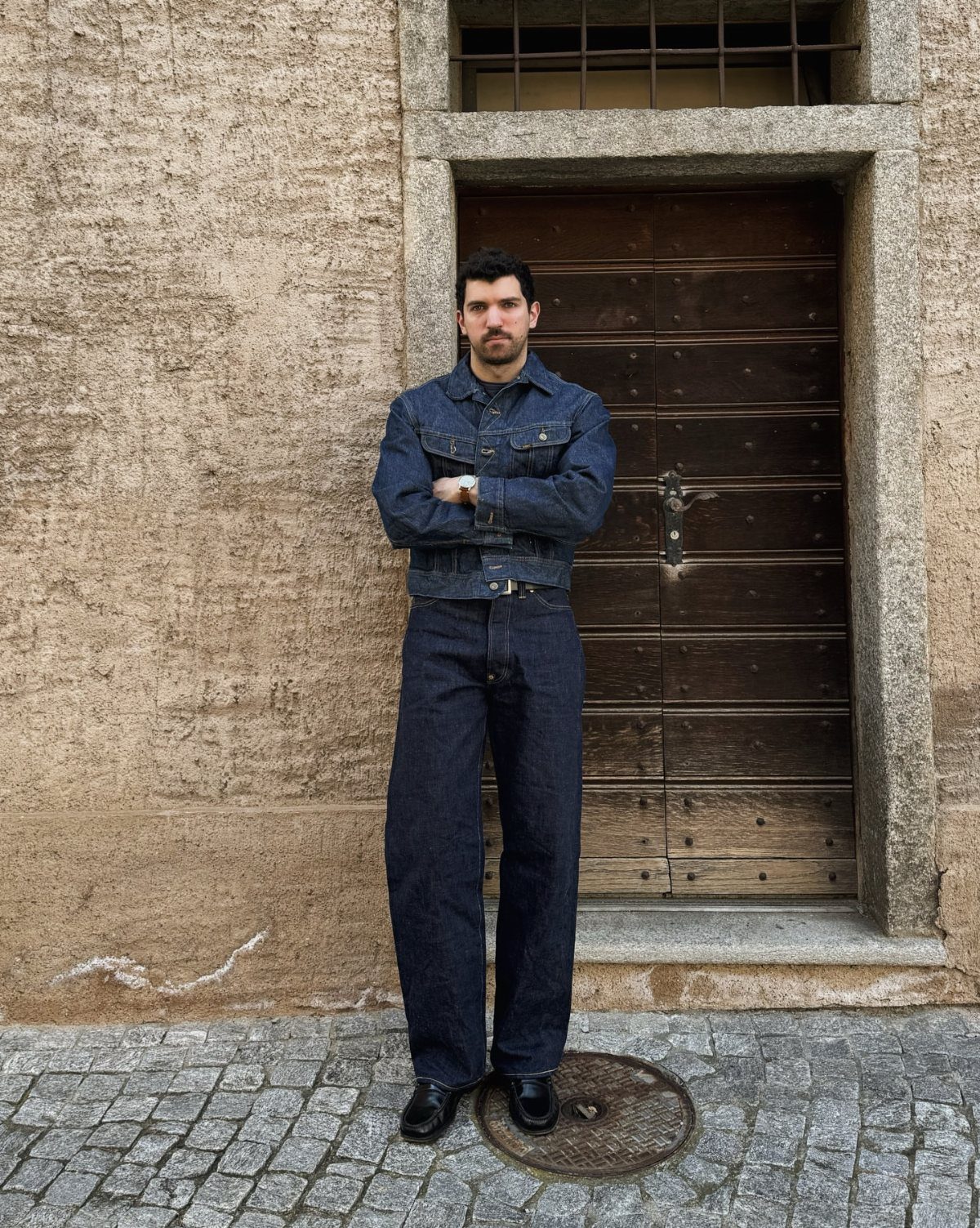
Matching denim on top and bottom works when both pieces are the same dark wash. A dark denim jacket with wide-leg jeans reads as one deliberate outfit, not two accidents.
The black loafers are the detail I’d steal. They dress the look up just enough for dinner or the office on a casual day.
Wide legs need room, so skip anything skinny on top and pick a jacket that ends near the waistband.
6. Disco Fashion
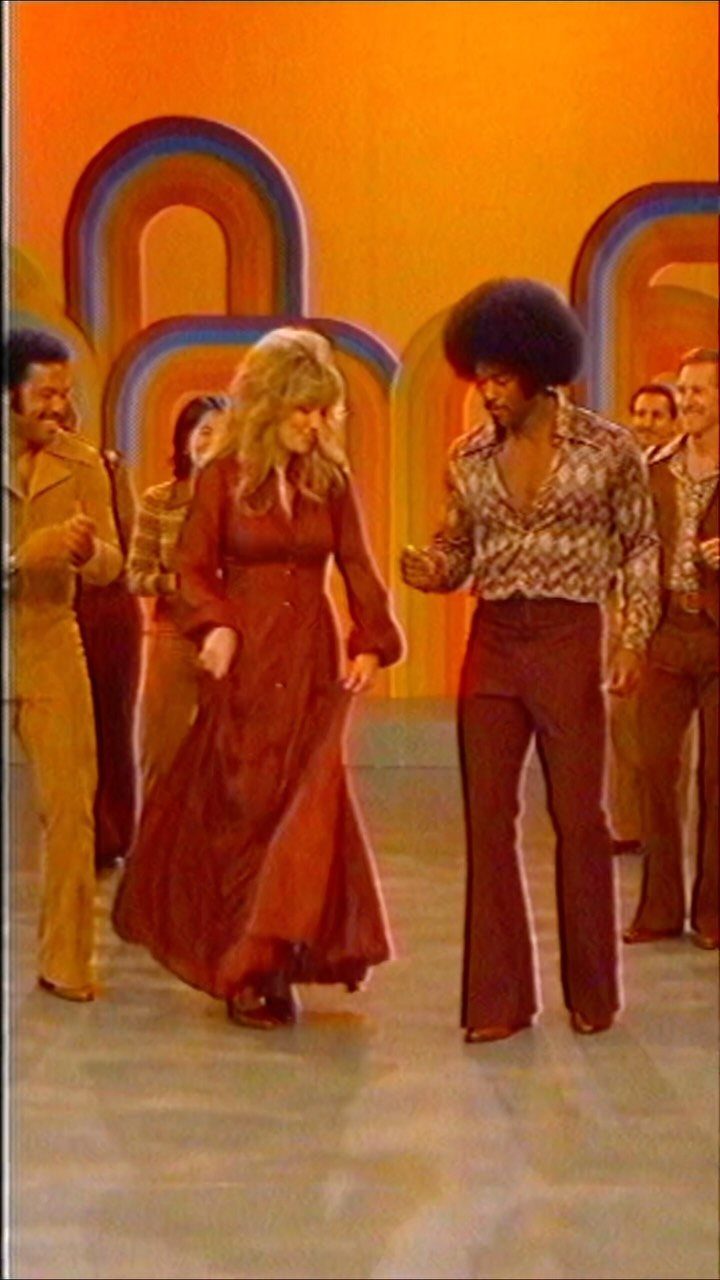
Disco clothing is built to move. A patterned shirt with an open collar and bell-bottoms lets you dance without anything pulling, and that is the whole logic of the look.
Choose a bold print and keep the trousers plain, so the shirt gets the attention. Open the collar a couple of buttons, no more.
Flares should flow at the hem when you walk. If they hang stiff, the fabric is too heavy for a night out.
7. Velvet Blazers
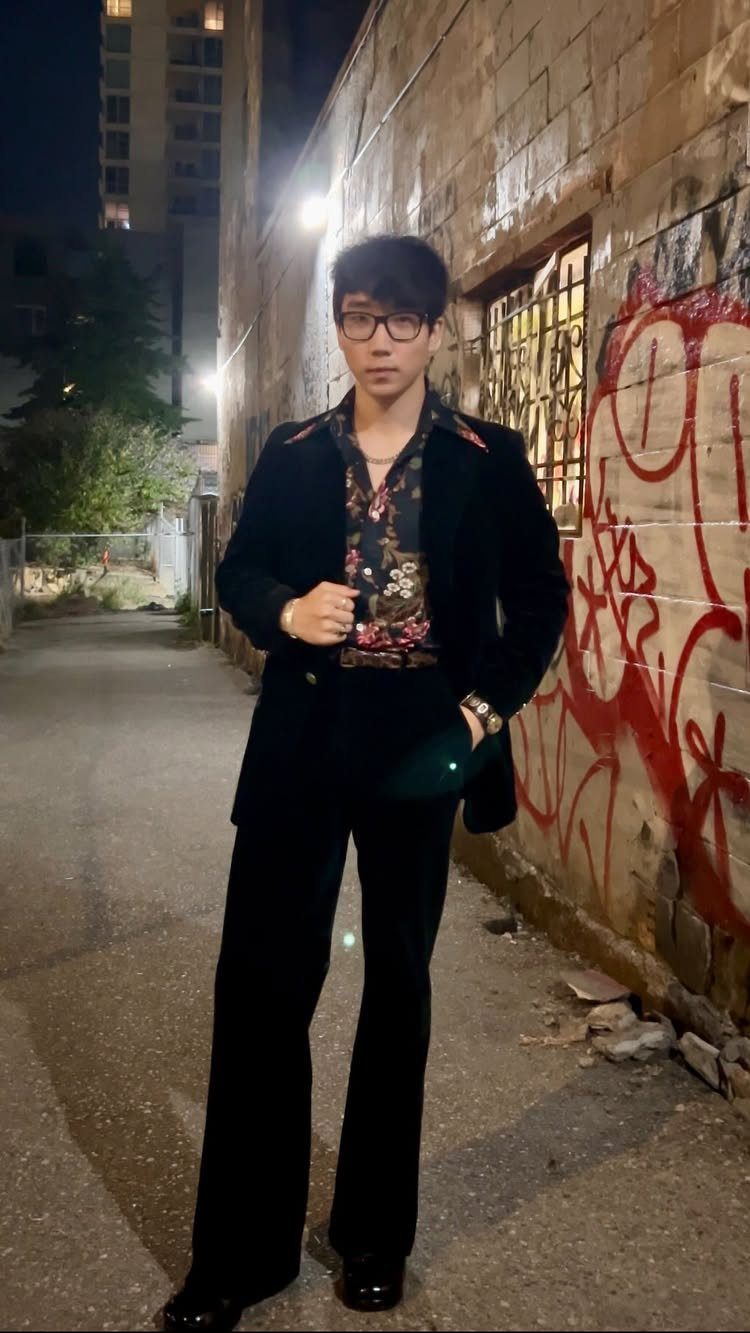
A black velvet blazer with matching flared trousers is a full suit, and it works because the floral shirt underneath keeps all that dark pile from looking heavy. Let the shirt carry the pattern and keep the velvet plain.
Velvet catches light, so it looks richer at night than at noon. For a first piece, I’d buy the blazer and trousers as a set and wear them together before splitting them up.
Fit matters more than usual here. A blazer that skims the shoulders looks sharp; a loose one looks like a costume.
8. Glam Rock Style
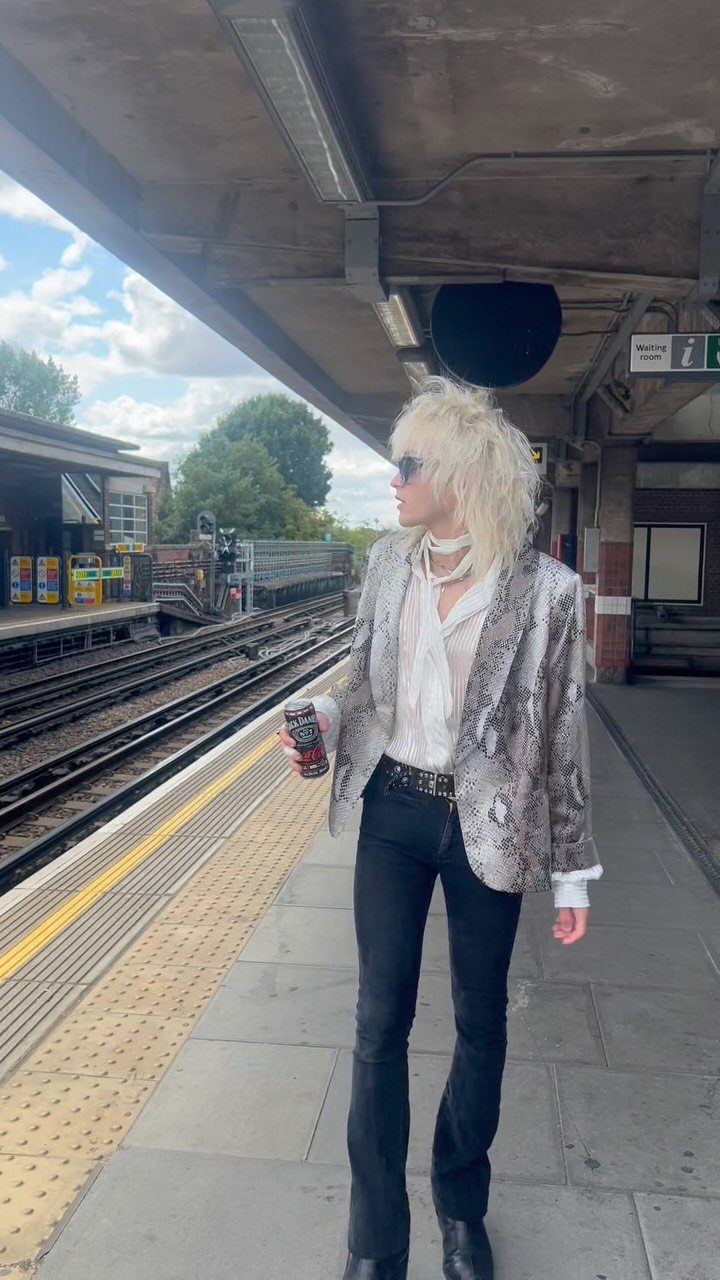
Glam rock works best with one loud piece, and a snakeskin blazer over a plain white shirt is a strong way to do it. The ruffles soften the blazer’s pattern, and black flared pants give the eye somewhere to rest.
Keep the trousers solid and fitted through the thigh so the flare does the talking at the hem.
Shaggy hair and tinted sunglasses finish it. This is the loudest look on the list, so wear it to an event, not to a Tuesday meeting.
9. Hippie Boho Shirts
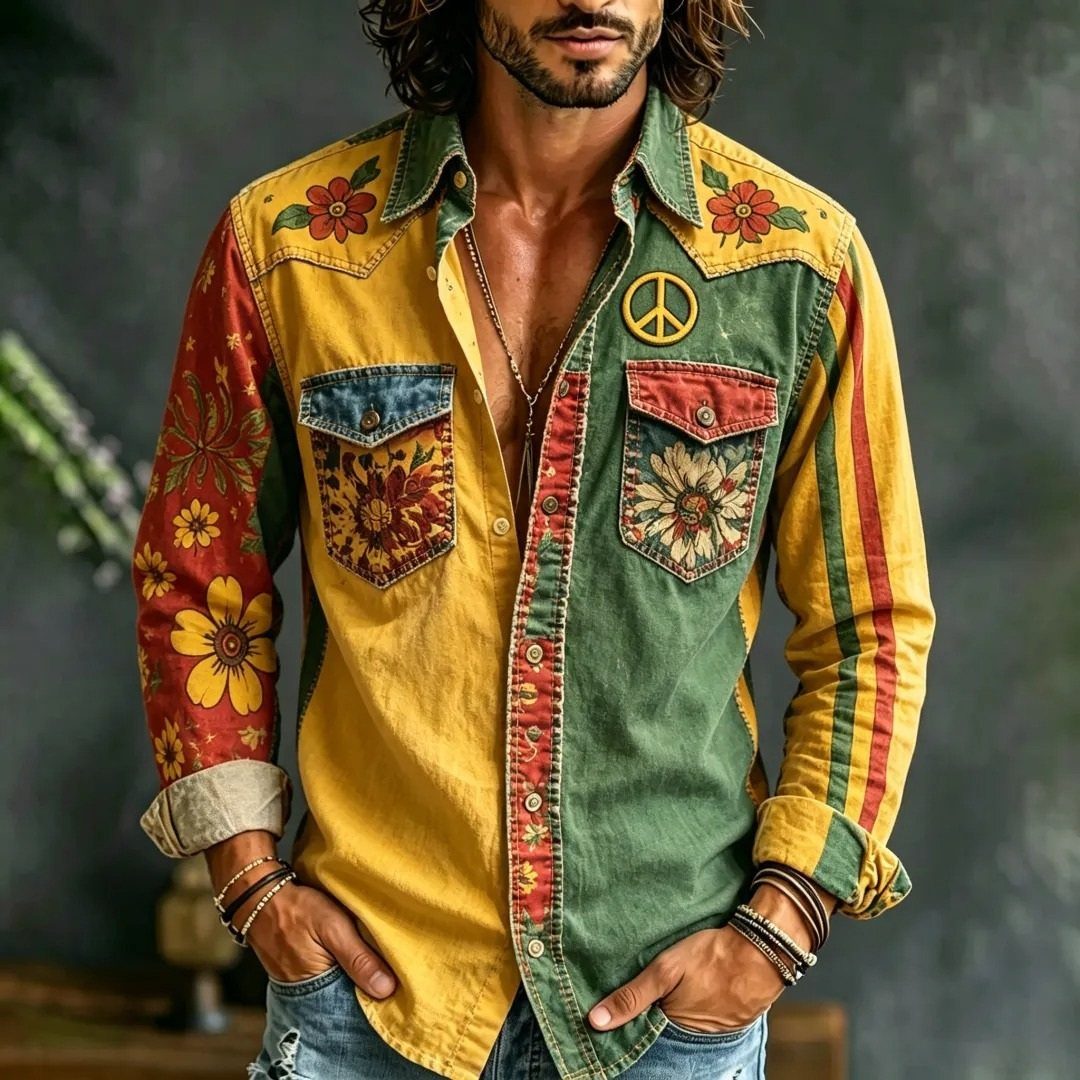
Patchwork shirts only look right when the patterns are allowed to clash. Floral panels, a peace sign emblem and embroidery all sharing one open-collar shirt is the point, so don’t try to match the colors.
Plain jeans are the right partner. I’d skip anything patterned below the waist, since the shirt already says everything.
Leave the collar open and let the hair and beard stay a little loose. A tidy, pressed version loses the mood.
10. Pointed Collar Shirts
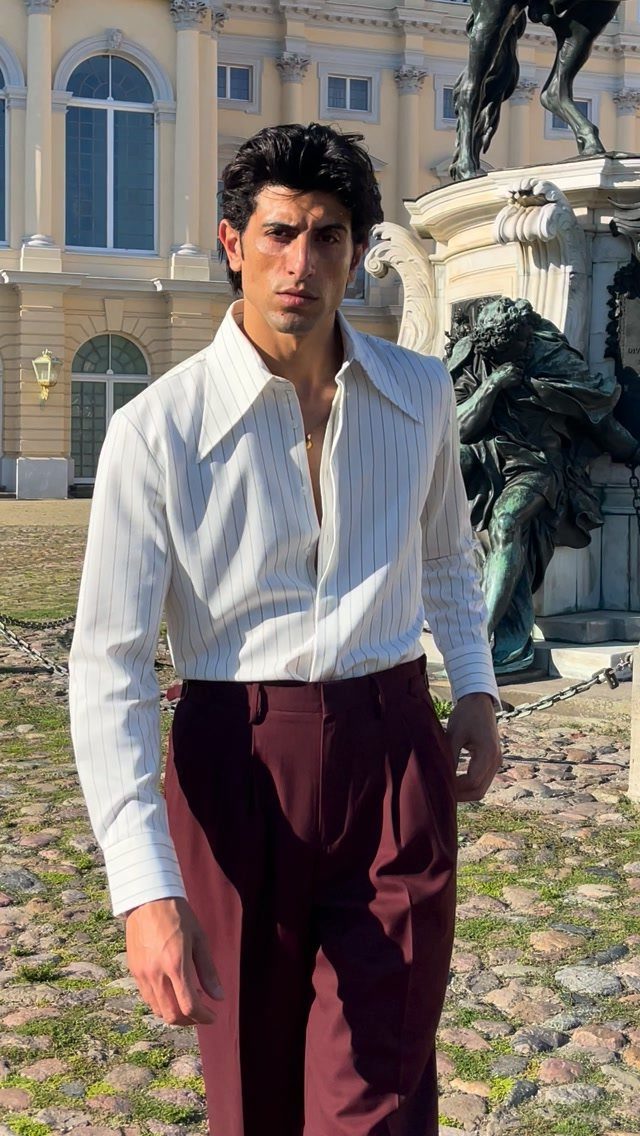
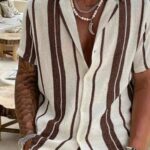
A pointed collar this large is the whole shirt, so everything else you wear with it should stay quiet. Vertical stripes tucked into pleated burgundy trousers give a long, clean line that keeps the big collar from looking top-heavy.
Tuck it in. The waist needs to be visible, and the pleats sit better that way.
Choose a collar that reaches well past the lapel line of any jacket you add. If you wear one, the collar should lie over it, not hide under it.
11. Faux Fur Coats
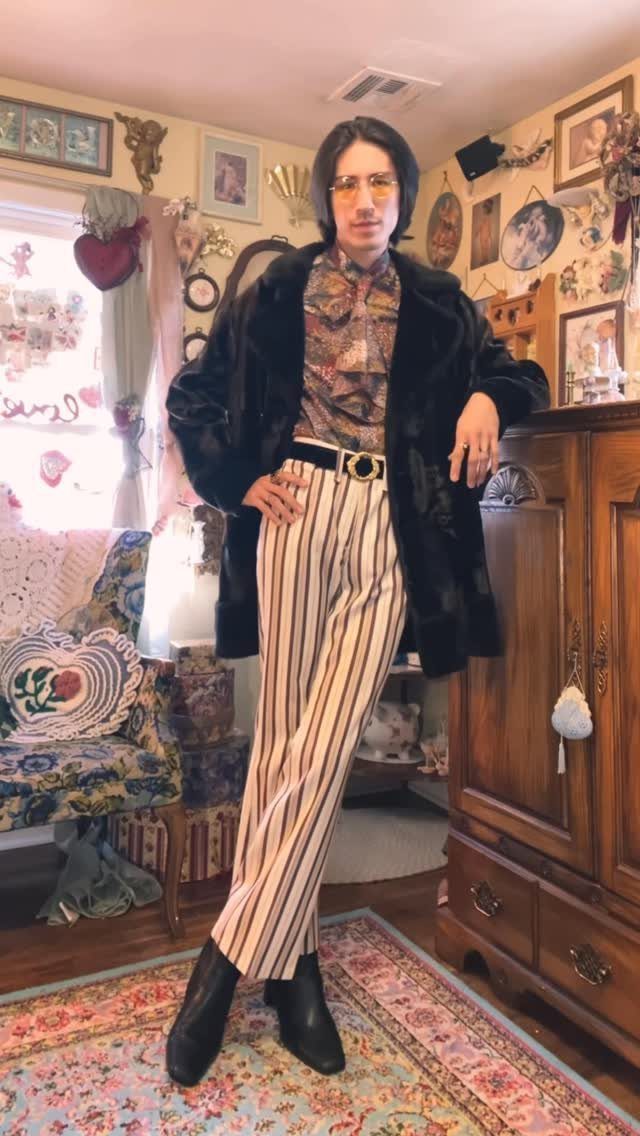
A black faux fur coat is the easiest way to get 70s excess without buying real fur.
Wear it over a printed ruffled shirt and striped flared trousers, and the coat becomes the frame for the pattern instead of competing with it.
Black is the smart color here. It keeps the plush texture from looking like a stage prop.
Tinted glasses suit it well. Expect the coat to dominate, so keep accessories to that one pair and skip the scarf.
12. Pinstripe Suits
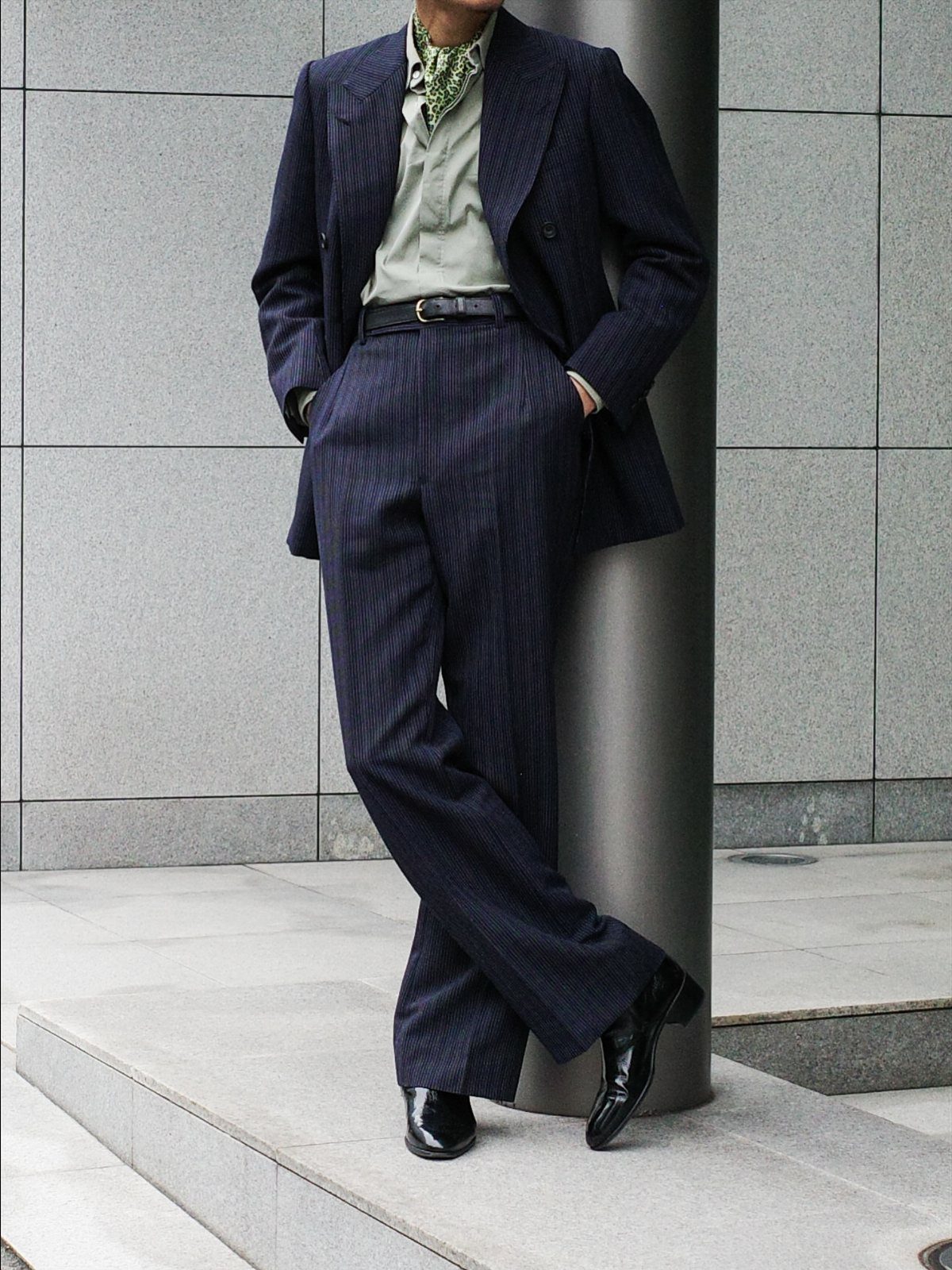
A dark navy pinstripe suit works for work and for a night out, and a green neck scarf in place of a tie is what makes it feel 70s. The scarf adds one color without adding fuss.
I’d pair it with black leather boots and a light shirt, and keep the stripe thin so the suit stays serious.
Wear a belt even with a jacket that covers it; the trousers hang better with one. Skip a second pattern anywhere else in the outfit.
13. Double-Breasted Blazers
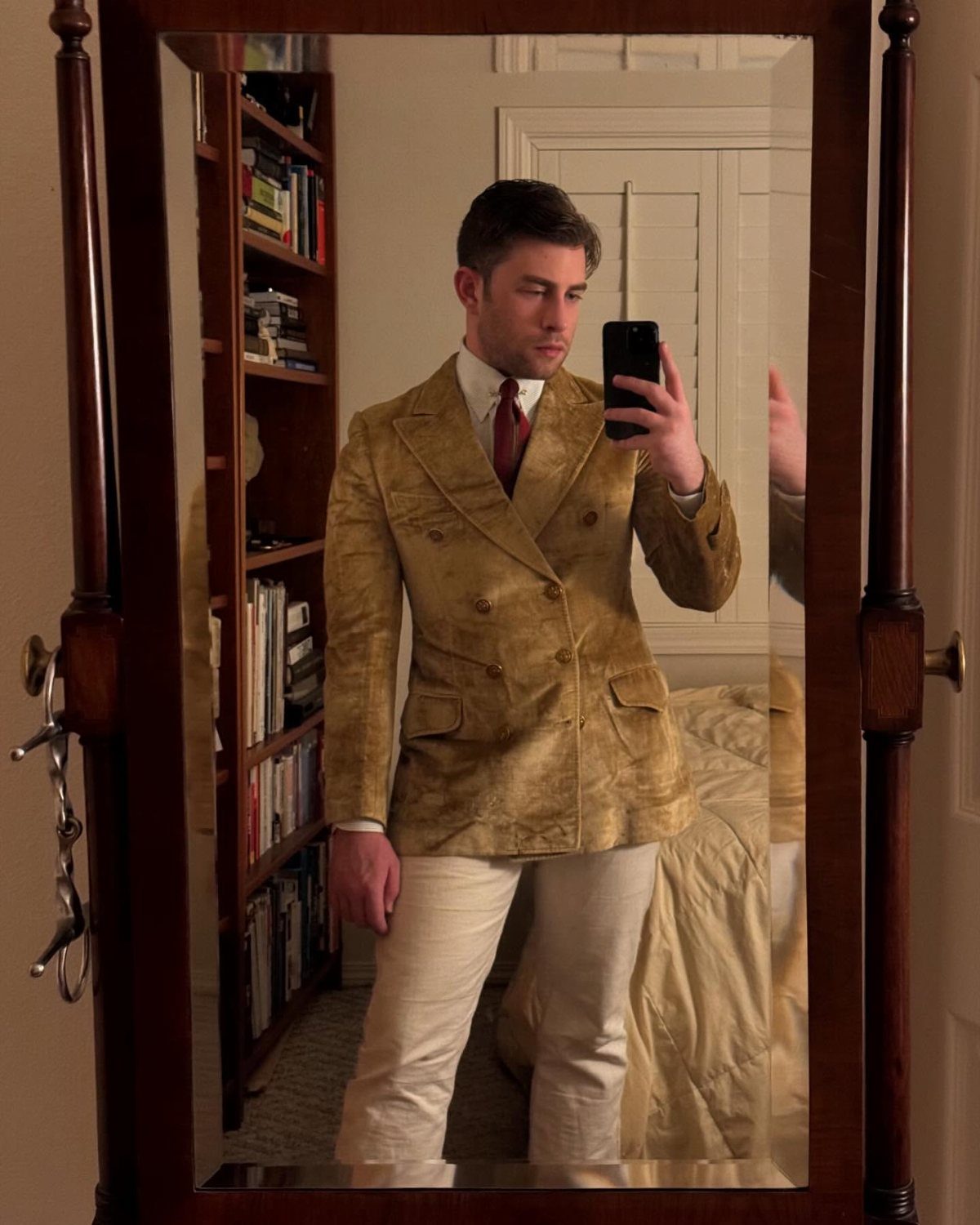
A double-breasted blazer in tan velvet is a soft way into a formal shape. The overlapping front and 2 columns of buttons add structure, while the nap keeps it from looking stiff.
Light trousers and a plain collared shirt let the jacket lead. A red tie with a collar pin is the detail I’d copy, since it adds one strong color and holds the knot in place.
Buttoned, the jacket should lie flat across the chest. If it pulls into an X, size up.
14. Color-Blocked Leather Jackets
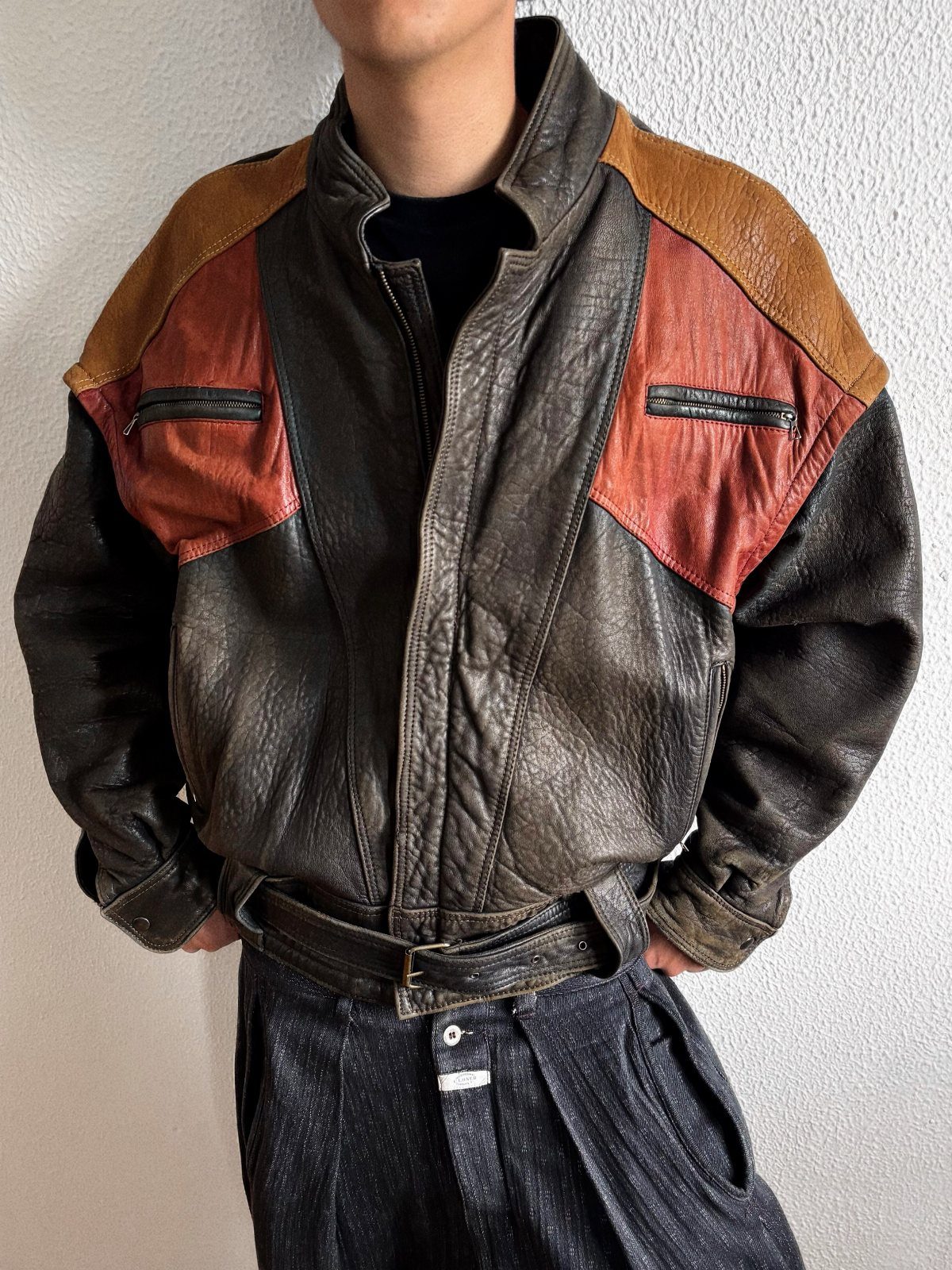
Color-blocked leather is the 70s jacket for a man who wants a pattern without wearing a print. Brown and reddish-orange panels do the work of a shirt design, so everything else you wear with the jacket can stay plain.
Dark pleated trousers are the right partner, and whatever goes on underneath the jacket should stay simple, in my view. An oversized cut like this one suits a belt at the waist, which gives the boxy shape a defined middle.
Wear it open or belted, but pick one color family for everything else.
15. Plaid Blazers
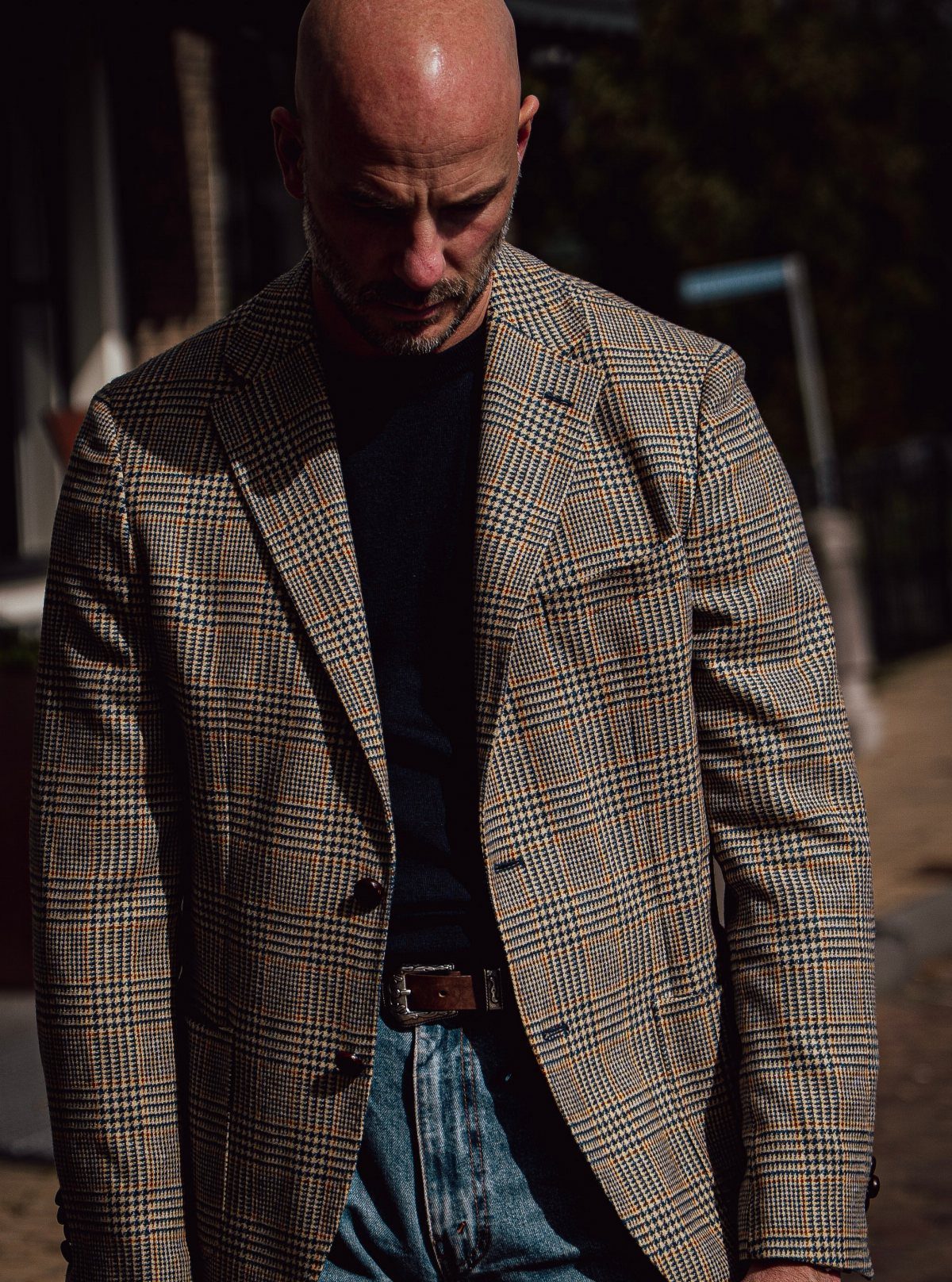
A brown plaid blazer is the easiest 70s jacket to wear on an ordinary weekday. Over a dark shirt and blue jeans it reads as relaxed, not dressed up.
Dark under the plaid keeps the pattern as the single focus, and I prefer that to a light shirt, which fights the check. A brown leather belt echoing the jacket ties the outfit together.
Choose a plaid in muted tones. Loud checks pull the look toward costume, and denim already carries enough color.
16. Watches
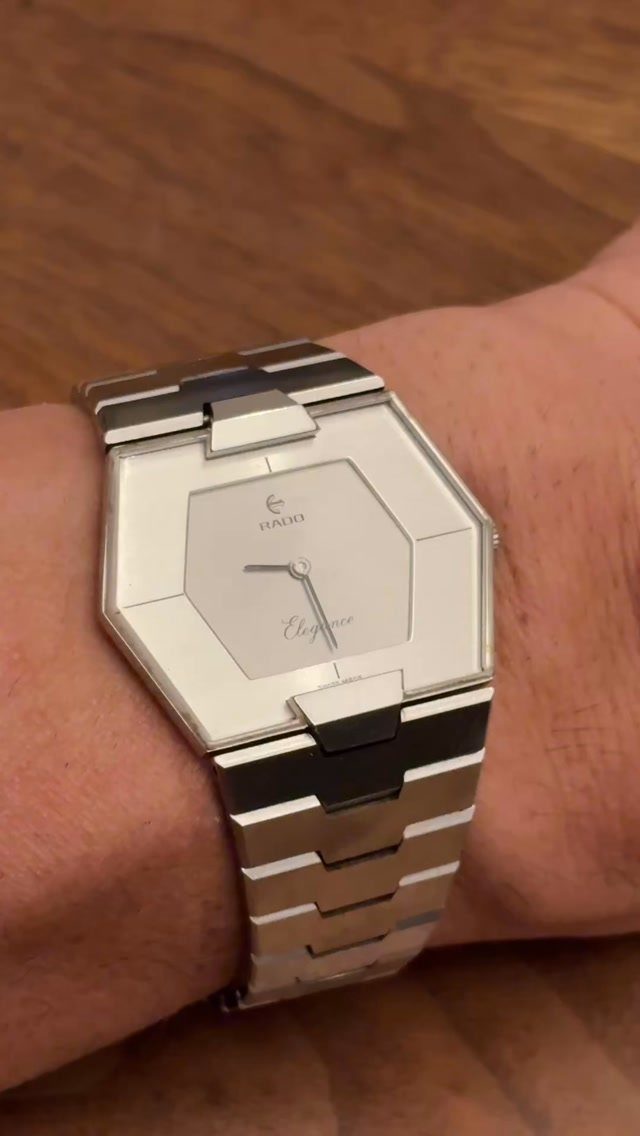
A 70s watch was part of the outfit, and a geometric case with a steel link bracelet is the version I like best. The angled shape catches light the way a good lapel does.
The maker of this piece notes it measures about 36 mm at its widest, which feels modern now that big watches are fading. For a vintage pick, look for that size: present but thin.
Check the bracelet length before buying. This one fits wrists up to approximately 19 cm.
Influence of Music and Pop Culture
Music set the rules for 70s menswear, and the useful lesson is where the loudest ideas came from.
David Bowie’s Ziggy Stardust character pulled in metallic fabrics, platform boots and bold color, while Marc Bolan helped make glitter and platform shoes acceptable for men.
The Rolling Stones and Queen took the same route on stage, with loud cuts, satin, and fabrics no one had put on a rock singer before. The shared idea was clothing that broke from the usual rules of masculinity.
To borrow that today, pick one metallic or glittery piece and keep the rest plain.
Platform boots are the easiest piece to try first, because a couple of extra inches changes how you stand and nothing else you’re wearing has to change.
The 1970s fashion scene was also heavily influenced by music, cinema, and socio-political movements, making it one of the most eclectic and experimental periods in men’s fashion history.
Casual Vs. Formal Wear
The 70s habit worth keeping is mixing formal pieces with relaxed ones. A blazer or button-down works with denim jeans or a turtleneck, and a suit jacket works over a graphic T-shirt.
Choose one formal piece and one casual piece, then stop.
Denim also went beyond jeans in this decade: jackets, vests and even shirts. Designer jeans from Gloria Vanderbilt and Calvin Klein made denim a real fashion choice, so a well-cut dark pair is a fair place to put your money.
Legacy of 1970s Fashion
The lasting gift of 70s menswear is permission. Suits in safe colors stopped being the only option for men, and clothes became a way to show who you were.
That idea carries over easily. A suit in burgundy, mustard yellow or a pastel shade brings back the era’s playfulness, and a wide tie or colorful shirt does the same on a smaller scale.
Start with one bold element and keep the rest conventional. The look reads as a choice rather than a costume, and you can add more once the first piece feels natural on you.
Frequently Asked Questions
What were men typically wearing in the 1970s?
Flared trousers, wide lapels, bold patterns and platform shoes defined the decade. Denim was everywhere too, in jackets, vests and wide-leg jeans, and men often mixed a formal piece like a blazer with a relaxed one like a turtleneck.
Across the decade, men moved away from the stiff, conservative suits their fathers had worn.
What did men wear to Studio 54?
Disco clothing leaned shiny and bold: satin and metallic fabrics, loud prints, and wide-lapel suits worn with shirts open at the collar.
Polyester gave the sleek, glossy look, and some men added sequins. I’d keep the cut classic and open the collar only a couple of buttons, so the fabric does the talking and you can still dance.
What are some popular icons from the 70s?
David Bowie, Mick Jagger, Marc Bolan, Steve McQueen and Paul Newman all shaped how men dressed.
Bowie’s Ziggy Stardust persona pushed metallic fabrics, platform boots and loud color into menswear, and Bolan made glitter and platforms something a man could wear in public.
McQueen and Newman went the other way, with denim, turtlenecks, button-downs and aviator sunglasses.
How to dress for a 70’s theme party?
Start with flared trousers and one loud piece, such as a patterned shirt with a big pointed collar or a wide-lapel jacket. Keep the rest plain so the outfit reads as a deliberate look.
Platform shoes, tinted sunglasses and a little loose hair finish it. Long flares that nearly cover the shoe look right; short ones look like a costume.