The looks range from a black-on-black set to one bright yellow tank, and the room picks the winner: in a heated studio, a dark shade and a fabric that hides sweat do the most, while a cooler gym leaves space for color and the athletic pants.
Nylon or polyester blended with elastane, with 4-way stretch on the tag, is the base under every option.
Before buying any of these, squat all the way down and fold forward in the fitting room; if the fabric pulls or gaps, put it back.
1. Form-Fitting Clothing
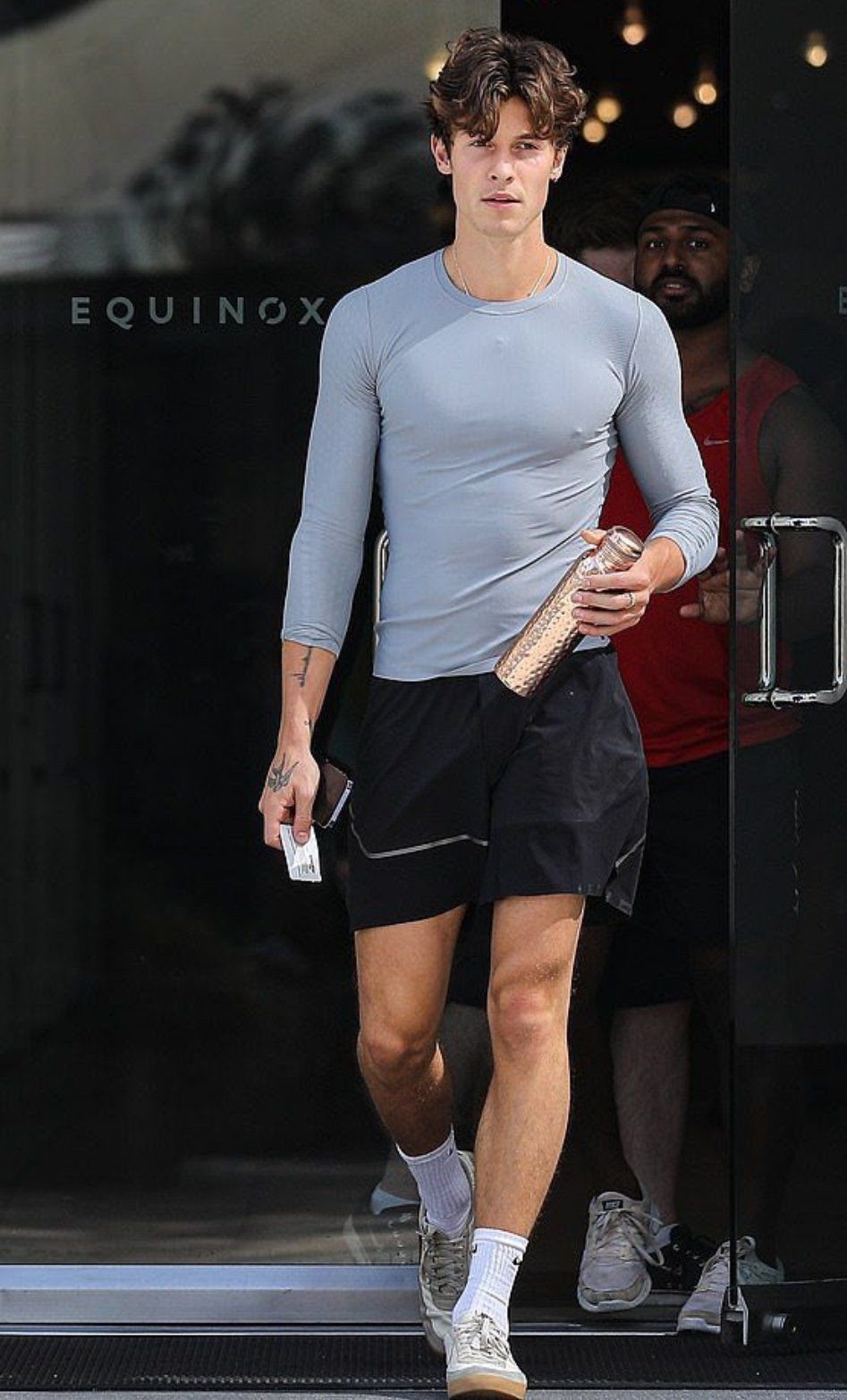
A shirt that sits close to the body without pulling is what makes a gym outfit look chosen rather than grabbed.
Light gray in a long sleeve, paired with black shorts, keeps the whole thing to 2 pieces that mix with almost anything in a drawer.
Check the shoulder seam first; it should land at the edge of your shoulder, not slide down the arm.
Close is the goal, tight is not, so you should be able to lift your arms overhead without the hem riding up.
2. All-Black Ensemble
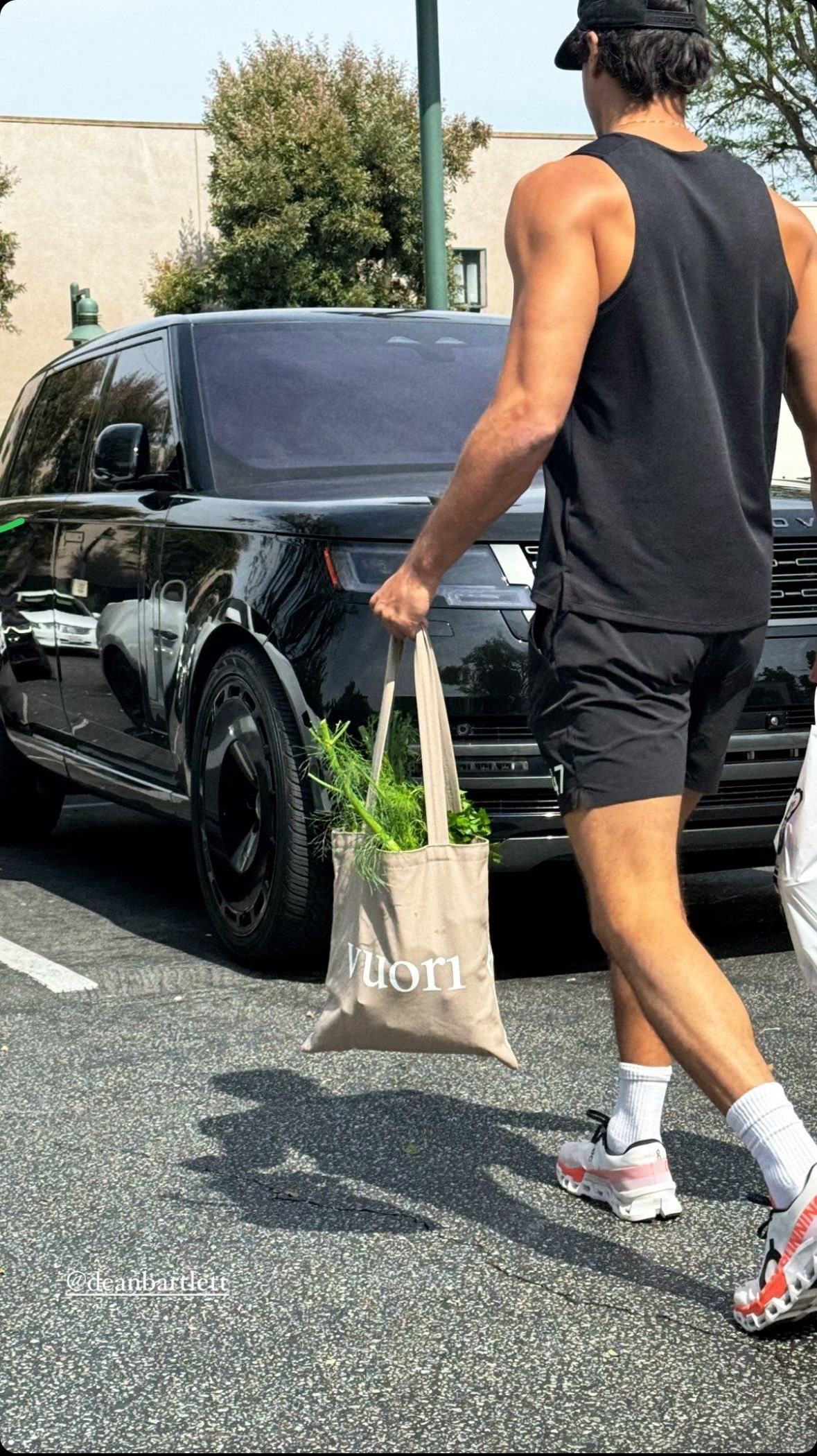
Black on black needs no planning, which is why I keep coming back to it. A tank, shorts and a tote in the same shade read as one deliberate outfit.
Match the blacks as closely as you can, since a faded top beside fresh shorts looks mismatched.
Add one texture change, like a matte tank over slightly shinier shorts, so the look doesn’t go flat. The trade-off: black shows lint and chalk, so check the mirror before you leave.
3. Breathable Fabrics
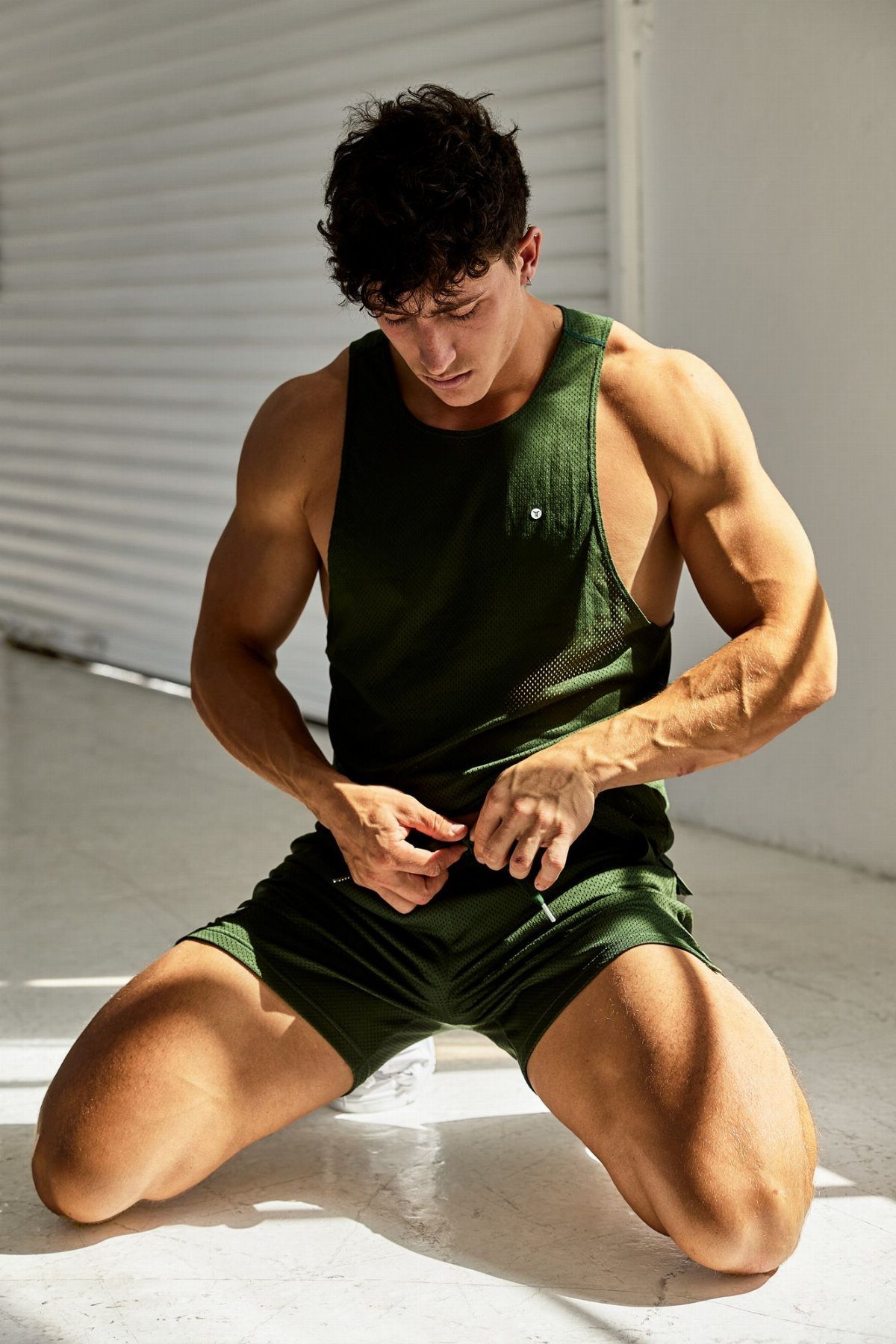
The small holes let air move through, which matters in a heated room.
Pick a set in one color so the mesh pieces read as an outfit, not leftovers.
Dark shades hide sweat better than light ones, in my experience. Finish with a drawstring waistband you can tighten before class, so the shorts stay put through every move.
4. Racerback Tank with Athletic Shorts
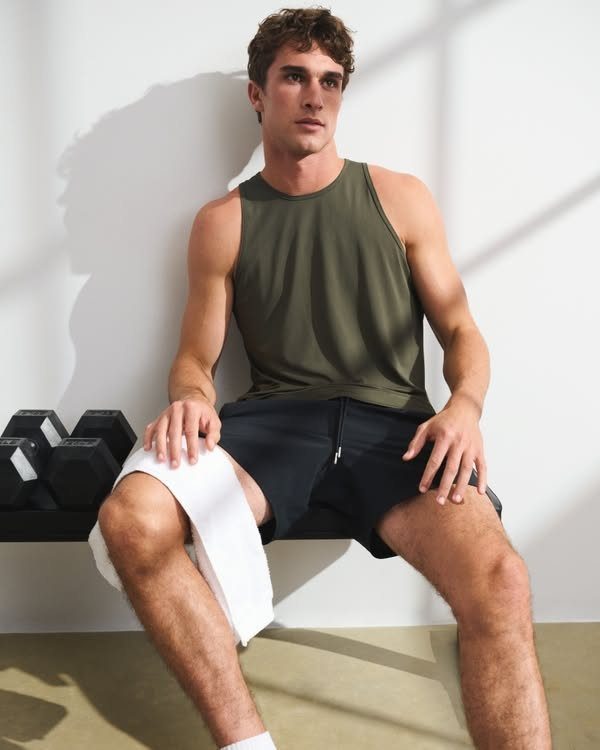
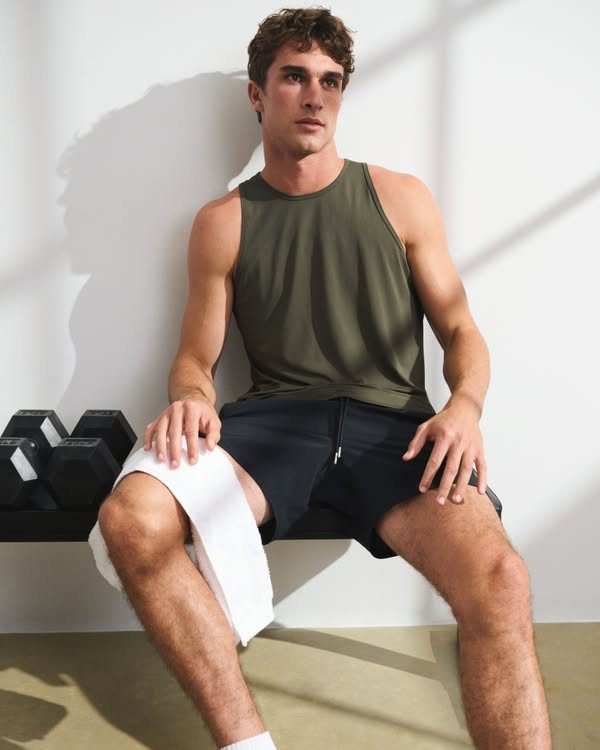
Olive green over black shorts is a pairing I would pick over plain gray and black. The tank leaves the shoulders free for overhead work, and the muted green looks less loud than a bright color.
Racerback cuts pull the fabric toward the spine, so arm movement stays unrestricted.
Keep the shorts black and simple. Bring a white towel, as it adds a clean contrast and handles sweat between sets.
5. Yellow Tank with Athletic Pants
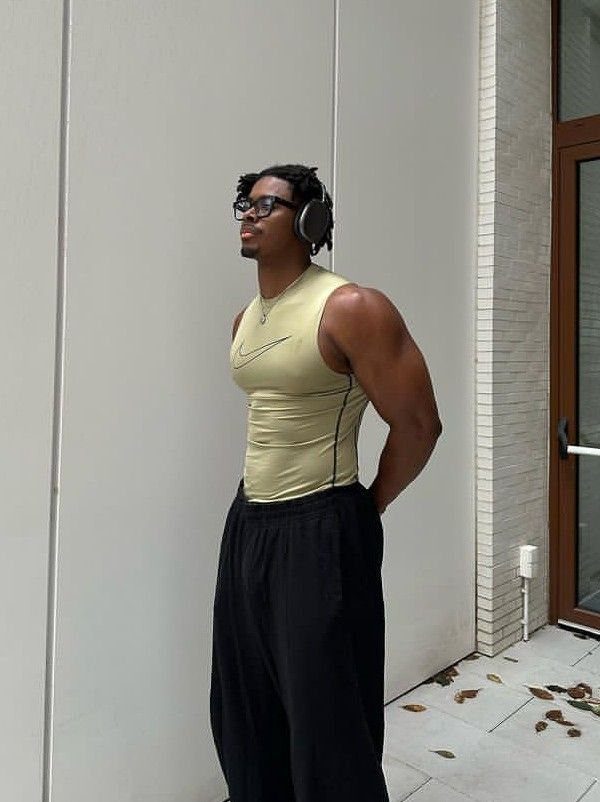
Light yellow is the one bright piece here, so everything else stays quiet. A fitted sleeveless top with lightweight black athletic pants lets the color carry the outfit.
I like this combination for cooler gyms or the walk there, since pants cover the legs without the weight of heavy sweats.
Keep the pants plain black, with no logos competing with the top. Yellow shows sweat more than dark colors do, which is the cost of wearing it.
Choosing the Right Fit
Fitted pieces earn their place in this kind of class because slow, controlled, core-focused movements are easier to feel and easier to see when nothing hangs loose.
Pick a fabric that stretches, breathes and holds you in place, so nothing pinches or rides up halfway through class.
Try a full squat and a forward fold in the fitting room before you buy. If the fabric pulls tight or gaps anywhere, move on.
Avoiding Oversized Clothing
Loose tees and baggy shorts bunch up the moment you lie back, twist or fold forward. Then you spend the class tugging fabric instead of focusing on the sequence.
Oversized also hides your alignment from you, and from an instructor trying to correct it. If you like a relaxed look, save it for the walk in and out, and wear a fitted layer for the work itself.
Importance of Fabric Technology
Fabric matters more than any logo in a heated room.
Nylon or polyester blended with elastane is the safest bet, as long as the tag says 4-way stretch; product pages that list quick-dry, moisture-wicking or anti-odor finishes are worth a second look.
A mid-weight knit feels better than a thin one, because it has some heft and doesn’t go see-through or cling in the wrong places.
Leave heavy fleece and cotton in the drawer for this class, since both soak up sweat and stay wet.
A matte finish hides more than a shiny one, and a fabric with some surface texture, like rib, jacquard or a heathered weave, masks damp spots better than flat color.
Mesh panels under the bust, down the back or behind the knees let heat out, and they do it without calling much attention to themselves.
Black, charcoal, deep navy, espresso and olive mask sweat best. Pastels show sweat fast, so I would skip them in heated classes and stick to darker or mid-tone colors.
In a lighter shade, I’d go with a marled or heathered knit over a plain pale solid, since it forgives sweat marks far better.
Breathable, smooth, and comfortable fabric:“Pilates can be intense, so wearing fabrics that keep you dry and comfortable throughout the workout,” the expert tells ELLE. “Look for high-quality, breathable materials like nylon or spandex blends.”
— Elle